Trying to choose between a Kruger National Park safari and an Okavango Delta safari? Excellent problem to have. Terrible problem to solve while staring at 47 open browser tabs and wondering whether your dream safari should involve Big Five game drives, mokoro rides, or both.
Kruger and the Okavango Delta are two of Southern Africa’s greatest safari destinations, but they offer very different kinds of safari experiences. Kruger is the classic Big Five safari: accessible, wildlife-rich, well-established, and usually better value for first-time safari travellers. The Okavango Delta is a wilder, more remote water-wilderness safari, famous for floodplains, mokoro canoes, elephants, birdlife and that wonderful feeling of being very far from ordinary life.
The right choice is not about which destination is “better”. It is about what kind of safari you want to book, how much time you have, what your budget can handle, and whether your dream safari is more about ticking off iconic animals or sinking into a quiet, wild landscape of reeds, water channels, and big African skies.
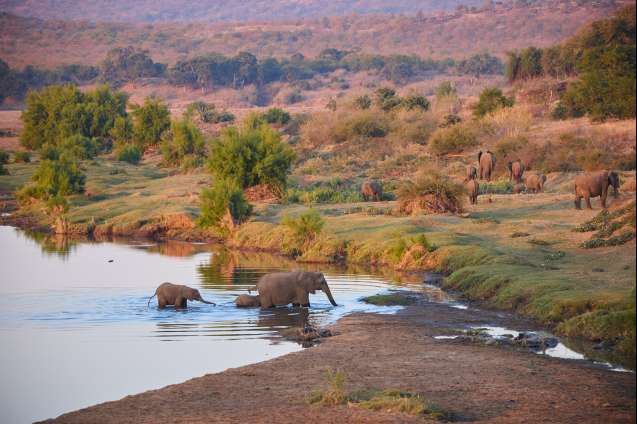
Choose Kruger if you want the best chance of seeing the Big Five on a more affordable, accessible safari with strong wildlife viewing and plenty of tour options.
Choose the Okavango Delta if you want a wilder, more remote safari with mokoro rides, floodplains, water channels, fewer vehicles, and a stronger sense of wilderness.
Our honest take: Kruger is usually the better first safari. The Okavango Delta is often the more memorable second safari, or the dream add-on for travellers who want something truly different.
| Safari Factor | Kruger National Park | Okavango Delta |
|---|---|---|
| Best for | Classic Big Five safari value | Remote water-wilderness safari |
| Safari style | Traditional 4x4 game drives, lodge safaris, camping safaris, self-drive options, private reserves and walking safaris | Mokoro rides, boat safaris, island walks, scenic flights, mobile camping and some game drives, depending on water levels |
| Wildlife | Excellent Big Five and general game viewing, with strong predator, elephant, rhino and plains game sightings | Excellent elephants, hippos, birds, predators and wetland wildlife, but sightings can be more seasonal and spread out |
| Big Five potential | Very strong, especially for a first safari | Good wildlife, but not the easiest Big Five checklist safari, especially for rhino |
| Game drives | Kruger wins for classic 4x4 game drives and efficient wildlife viewing | Game drives are available in some areas, but water levels and terrain can restrict movement |
| Water-based safari | Limited compared with Botswana | The Okavango wins. Mokoro rides are unlike almost any other safari experience in Africa |
| Comfort | Easier, more familiar and more comfortable for most travellers, with better roads and more lodge options | Wilder, more remote and more out of your comfort zone, unless you choose a higher-end fly-in safari |
| Accommodation | Best range of options: budget lodges, guesthouses, private reserves, traditional safari lodges, self-drive camps and camping | Often more tented, remote and adventure-style, with excellent camps but fewer budget choices |
| Families | Usually better for families, with easier logistics, more lodge choice and more flexible safari styles | Better for adventurous families with older children, but activity rules and transfers need careful planning |
| Seniors | Usually easier for senior travellers because of road access, lodge comfort and simpler logistics | Can work very well as a fly-in safari, but this usually costs more. Mobile and mokoro-focused trips may not suit all seniors |
| Budget | Usually more affordable and easier to tailor to different budgets | Usually more expensive, especially fly-in safaris and remote camps |
| Access | Easier from Johannesburg, with good roads, road transfers, scheduled flights and more travel infrastructure | Usually via Maun, Kasane or Victoria Falls, with longer transfers, light aircraft flights or more adventurous overland routes |
| Best time | Dry season, roughly May to September | Flood and dry season, roughly May to October |
| Best add-ons | Panorama Route, Greater Kruger, Klaserie, walking safaris, Cape Town, KwaZulu-Natal and Mozambique | Moremi, Khwai, Chobe, Victoria Falls and scenic Delta flights |
| Bush and beach | Better for Mozambique, KwaZulu-Natal or Cape Town combinations | Possible, but usually involves more travel time and expense |
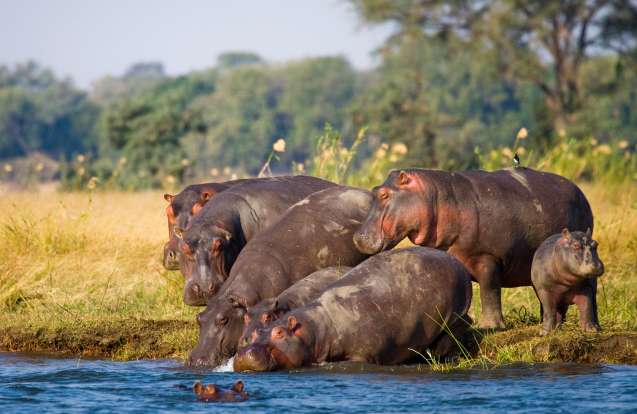
The most important difference between Kruger and the Okavango Delta is not just location. It is safari style.
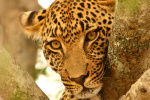
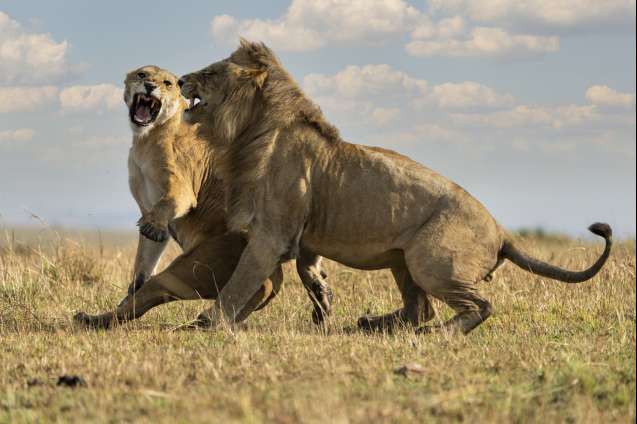
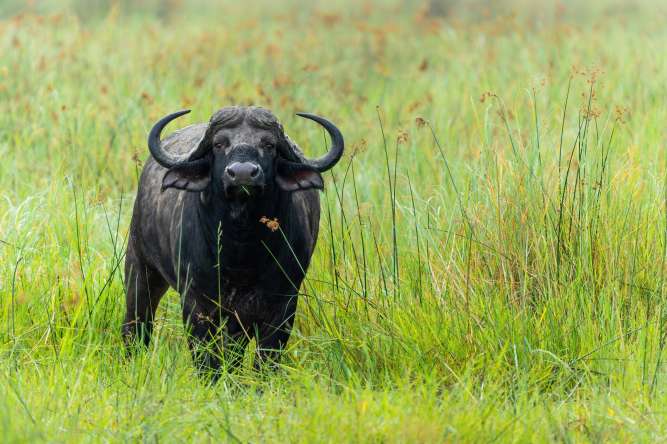
Kruger National Park gives you the classic African safari most travellers imagine before their first trip: early morning game drives, dusty tracks, elephants at waterholes, lions resting in the shade, buffalo herds, rhinos, giraffes, zebras, and the thrill of searching for leopards in riverine trees. It is one of Africa’s great wildlife strongholds and one of the most practical places to plan a first safari.
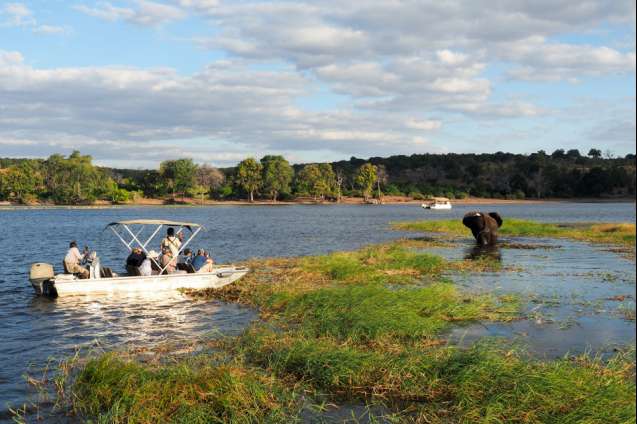
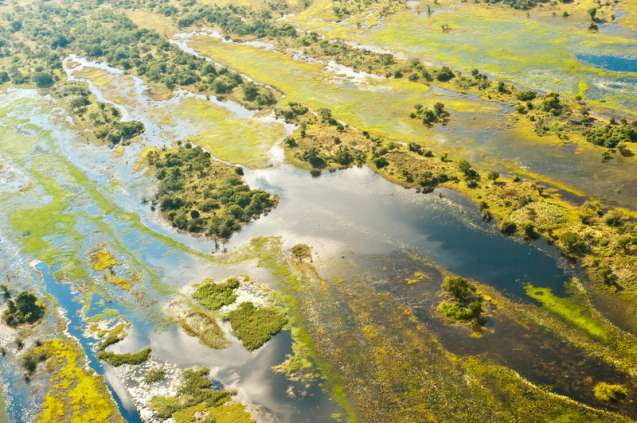
The Okavango Delta is a completely different beast, in the best possible way. This is a safari shaped by water. Seasonal floodplains, reed-lined channels, islands, lagoons, and open grasslands create a wilderness experience that feels more remote, more textured, and often more intimate. Instead of only bouncing along in a game-drive vehicle, you may drift through the reeds in a mokoro, watch elephants moving through shallow water, listen to fish eagles calling overhead, and feel like the modern world has politely wandered off and forgotten to come back.
Put simply, Kruger usually gives you more efficient wildlife viewing. The Okavango Delta gives you a more unusual wilderness experience.
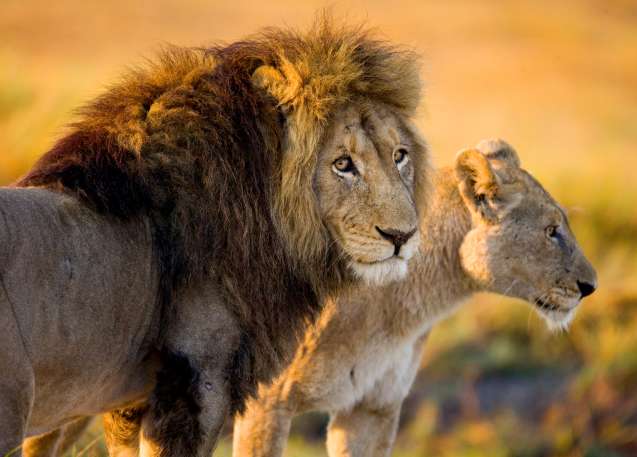
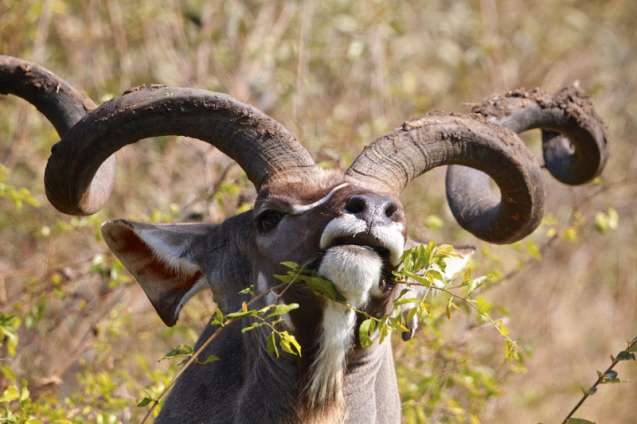
If your main safari goal is to see as many famous African animals as possible in a limited time, Kruger is usually the stronger choice. The wider Kruger region has excellent wildlife densities, a long-established tourism network, and a wide range of guided safari options. This makes it especially good for first-time travellers who want a strong chance of seeing lions, leopards, elephants, buffalo, rhinos, and plenty of general game.
Kruger is also highly flexible. You can choose an affordable group safari, a camping safari, a lodge-based safari, or a more exclusive experience in one of the private reserves bordering the park. The Sabi Sands Game Reserve, Timbavati Private Nature Reserve, and Balule Private Game Reserve are all part of the Greater Kruger ecosystem and offer a more private safari feel while keeping the Big Five focus strong.
The Okavango Delta is outstanding for wildlife too, but in a different way. It is famous for elephants, hippos, crocodiles, red lechwe, buffalo, giraffes, wild dogs, lions, leopards, and spectacular birdlife. The wildlife experience changes with the seasons and with water levels, which is part of the magic. You are not just watching animals in a landscape. You are watching a landscape transform around them.
However, if you are desperate to tick off all of the Big Five, especially rhino, Kruger is usually the cleaner choice. The Okavango is not a poor wildlife destination, not even close. It is just not always the most straightforward Big Five checklist safari.
If your heart says Okavango but your Big Five checklist says Kruger, speak to one of our safari experts. We’ll help you compare realistic sightings, costs, routes, and travel time before you book.
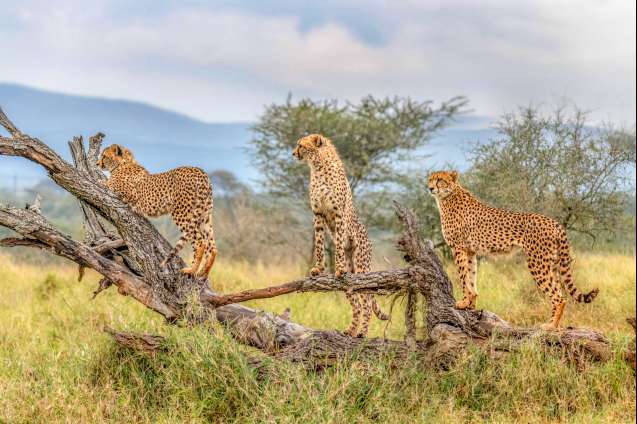
For classic Big Five safari expectations, Kruger wins.
That does not mean every Kruger safari guarantees every Big Five animal. Safari is still safari, and wildlife does not read your itinerary, no matter how nicely we ask. But Kruger is one of the best-value destinations in Africa for travellers who want a strong chance of seeing lion, leopard, elephant, buffalo, and rhino on the same trip.
The Okavango Delta can deliver superb predator sightings and unforgettable elephant encounters, but it is better sold as a wilderness safari than a Big Five safari. In many Delta areas, the joy is not only what you see, but how you see it: elephants from a boat, tiny reed frogs near your mokoro, lions calling across floodplains, lechwe splashing through shallow water, and birds everywhere.
So here is the practical answer:
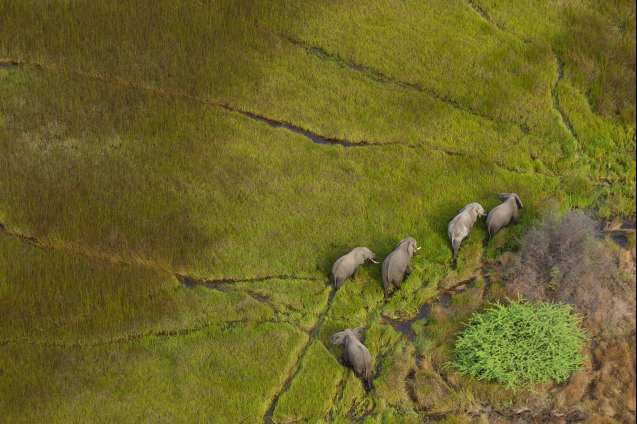
For classic 4x4 game drives, Kruger wins. This is where Kruger does what Kruger does best: early starts, open safari vehicles, experienced guides, predator tracking, elephant encounters, rhino sightings, waterholes, riverbeds and the constant possibility that something exciting is waiting around the next bend.
Kruger safaris are mostly built around game drives. These may take place inside Kruger National Park itself or in nearby Greater Kruger private reserves where off-road driving, night drives and walking safaris may be available, depending on the reserve and operator. If your dream safari is a traditional game-drive safari with strong wildlife focus, Kruger is the safer bet.
The Okavango Delta is different. Game drives are possible in some areas, especially around Delta-edge regions and nearby reserves, but water levels, islands and floodplains can restrict vehicle movement. This means you may not cover ground in the same way you do in Kruger. You may also see fewer animals in a single drive, but the setting is often far more unusual.
The Delta’s signature experience is the mokoro ride. A mokoro is a traditional dugout-style canoe, now often made from fibreglass for conservation reasons, poled quietly through narrow channels by a local guide. It is slow, silent and completely unlike a normal safari drive. You are closer to the water, closer to the reeds, closer to the small things, and very aware that you are inside the landscape rather than watching it from a vehicle.
A Delta safari may include:
If your budget allows, a scenic flight over the Okavango Delta is strongly recommended. From the air, the Delta suddenly makes sense: water channels, islands, floodplains, elephant paths and the sheer scale of this inland wetland spread out below you. It is one of the most memorable add-ons in Botswana.
This is the strongest reason to choose the Okavango Delta. It does not feel like a standard safari with a watery backdrop. It feels like a different safari language altogether.
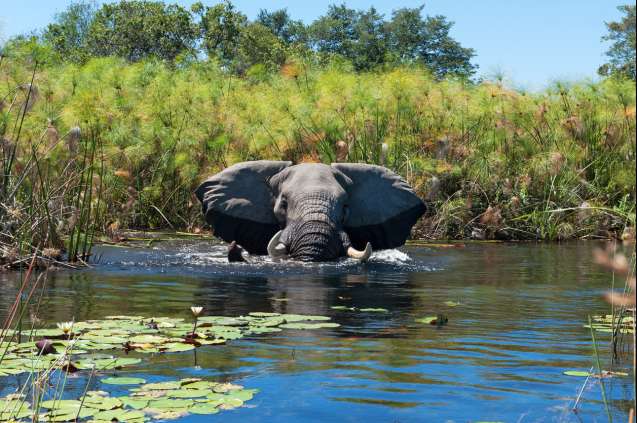
Kruger is usually the more affordable choice. It is easier to reach from Johannesburg, has a wide range of accommodation styles, and offers many short, budget-friendly safari options. For travellers who want the biggest wildlife return for their money, Kruger is extremely hard to beat.
That is why Kruger works so well for first-time safari travellers, families, solo travellers, budget-conscious couples, and anyone who wants a classic safari without turning the trip into a financial wildlife documentary.
The Okavango Delta is usually more expensive. The main reasons are remoteness, access costs, limited camp numbers, seasonal logistics, and the sheer difficulty of operating in a wetland wilderness. Fly-in Delta safaris can be especially pricey, while overland or mobile camping options often offer better value for adventurous travellers with more time.
Here is the honest budget breakdown:
If budget is your main concern, start with our Kruger National Park safari tours. If the Okavango is calling your name, browse our Okavango Delta safari tours and speak to us about the most cost-effective way to include the Delta.
Safari prices change by season, route, comfort level, and availability. Tell us what you want to spend, and we’ll help you compare realistic Kruger and Okavango Delta options without the guesswork.
Accommodation is one of the clearest differences between Kruger and the Okavango Delta, and it matters more than many first-time travellers realise.
Kruger offers a much wider range of accommodation. Depending on your budget and travel style, you can choose traditional safari lodges, budget lodge safaris, guesthouses, private reserve lodges, self-drive rest camps, camping safaris and comfortable family-friendly options. This makes Kruger easier to match to different comfort levels, especially for families, first-time safari travellers and senior travellers.
Kruger lodges are also generally better equipped for families. There are more options with family rooms, easier road access, shorter transfers, flexible meal arrangements and more predictable daily routines. For many families, that makes a big difference. A safari is still an adventure, but you do not necessarily want every mealtime, transfer and bedtime to become its own expedition.
The Okavango Delta is often more tented, remote and adventure-style. Many camps are beautifully comfortable, but the experience is usually wilder and more immersive. You may be staying in tented camps, mobile camps or remote lodges where access depends on light aircraft, boats, 4x4 transfers or seasonal water levels.
This is part of the Delta’s magic, but it also means the Delta can push some travellers further out of their comfort zone. It is often better for active, adventurous travellers who enjoy remoteness and do not mind more complex logistics. Senior travellers can absolutely enjoy the Okavango Delta, but a fly-in lodge safari is usually the more comfortable option, and that increases the cost.
For comfort and choice, Kruger wins. For remote adventure and atmosphere, the Okavango Delta wins.
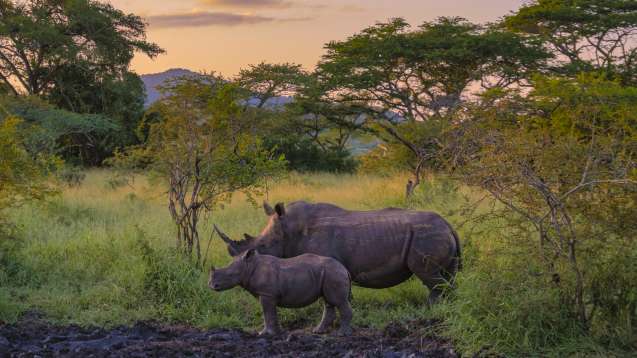
Kruger is the smarter choice if this is your first safari, your time is limited, or you want strong Big Five potential without adding too many flights or complicated transfers.
It is also one of the best safari destinations in Africa for travellers who want flexibility. You can choose budget camping, comfortable lodge safaris, short Kruger breaks, longer South Africa itineraries, or private reserve safaris in Greater Kruger. That range matters because it gives your budget more room to breathe.
Kruger is also a brilliant choice if you want to combine your safari with other South African highlights. The Panorama Route is a natural add-on, with Blyde River Canyon, God’s Window, and dramatic escarpment scenery. Longer trips can include Cape Town, the Garden Route, the Drakensberg Mountains, or even Victoria Falls.
Choosing Kruger does not mean choosing a lesser safari. It means choosing one of Africa’s most wildlife-rich safari regions with better access, strong Big Five potential, and more ways to match the trip to your budget.
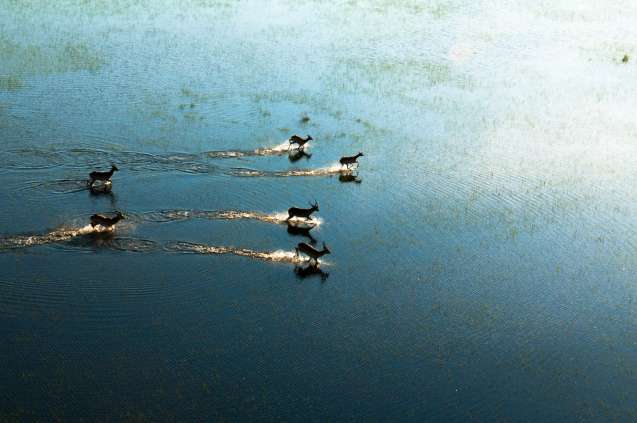
The Okavango Delta is worth the extra cost if you are looking for more than a classic game-drive safari. You are paying for remoteness, water-based activities, seasonal floodplains, smaller camps, fewer vehicles, and one of Africa’s most unusual wilderness settings.
If your main goal is to see as many Big Five animals as possible for the lowest realistic price, Kruger is usually the better-value choice. If your goal is to experience a quieter, wilder, and more atmospheric safari, the Okavango Delta can justify the higher price.
The Delta is especially rewarding for travellers who have already been on safari before, photographers, birders, wilderness lovers, honeymooners, adventurous families with older children, and anyone who likes the idea of drifting through the reeds in a mokoro while pretending they are extremely calm about the hippos nearby.
The Okavango also combines beautifully with nearby Botswana safari areas such as Moremi Game Reserve, the Khwai River Area, and Chobe National Park. For longer itineraries, it also works well with Victoria Falls, Kasane, Maun, and Namibia.
This is where Botswana safari planning can get confusing, so let’s keep it simple.
The Okavango Delta is the wider wetland system. Moremi Game Reserve protects part of the eastern Okavango Delta and is often treated as a separate safari area in itineraries. It is one of the best places to combine Delta scenery with stronger land-based game viewing.
The Khwai River Area, on the edge of Moremi, is another superb wildlife area often included with Delta and Moremi safaris. It offers a strong mix of river scenery, wildlife, community-based safari areas and access to both land and water-based activities, depending on the route and season.
In practical booking terms, an “Okavango Delta safari” may include pure Delta camps, Moremi, Khwai or a combination of these areas. That is why it is important to compare the actual itinerary, not just the destination name.
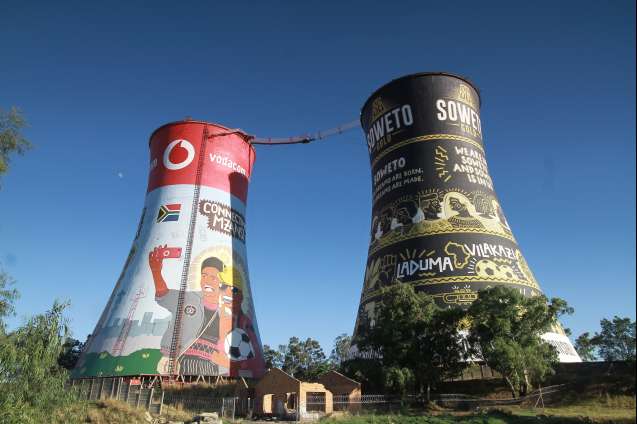
When we say Kruger is more accessible, we do not just mean it is easier to find on a map. We mean it has better road infrastructure, more transfer options, more accommodation choices, more regular safari departures and simpler logistics for most travellers.
Many Kruger safaris start in Johannesburg or nearby Pretoria. From there, travellers can join road transfers, self-drive routes, scheduled group safaris or short flights into the Greater Kruger region. The roads are generally better, the route is well established, and the travel flow is easier for first-time safari travellers.
Kruger also works well because Johannesburg is one of Southern Africa’s major travel hubs. Many international travellers already pass through Johannesburg, which makes it easier to add a Kruger safari without building a complicated multi-country route.
The Okavango Delta is more remote. Most Delta safaris are accessed via Maun, Botswana’s main gateway to the Delta, or via Kasane and Victoria Falls for northern Botswana combinations. From Maun, travellers may continue by light aircraft, 4x4 transfer, boat, mokoro or mobile safari route, depending on the itinerary and season.
Light aircraft flights into the Delta are spectacular, but they also add cost and come with practical baggage restrictions. Soft bags are usually preferred, and luggage limits can be stricter than on standard commercial flights. This is not a deal-breaker, but it is something travellers need to know before arriving with a suitcase that looks ready for a royal tour.
For active and adventurous travellers, the Delta’s remoteness is part of the appeal. For travellers who want easy transfers, familiar lodge comforts, better roads and fewer moving parts, Kruger is usually the smoother choice.
For budget-conscious travellers, the most affordable way to experience the Okavango Delta is often as part of a longer overland or mobile camping safari through Botswana, rather than as a short, standalone fly-in safari.
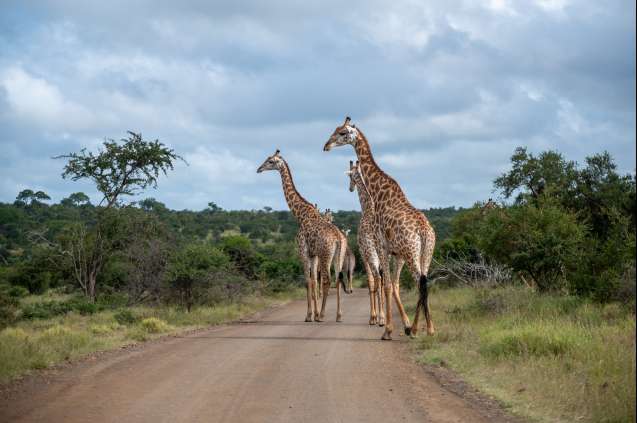
Kruger is excellent during the dry winter months, roughly from May to September. Vegetation is thinner, animals gather around water sources, and game viewing is often easier. Summer brings greener landscapes, migrant birds, and newborn animals, but wildlife can be more spread out, and the bush is thicker.
The Okavango Delta is unusual because its floodwaters often arrive during Botswana’s dry season. This makes the period from roughly May to October especially attractive for travellers who want classic Delta scenery, water-based activities, and strong wildlife viewing. Water levels vary from year to year, so it is always worth checking conditions when planning your trip.
For a simple seasonal decision:
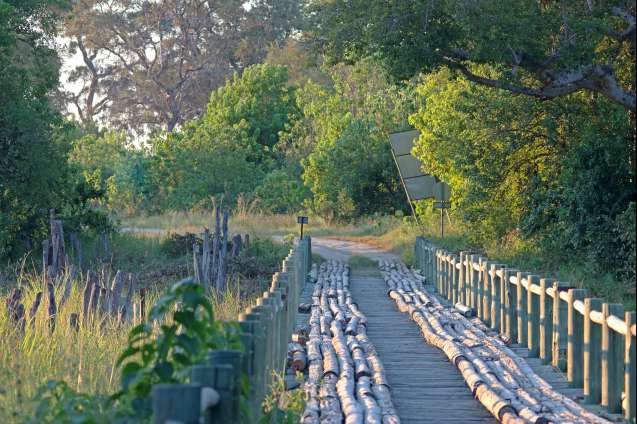
Kruger is usually better for first-time safari travellers. It is easier to reach, easier to understand, more affordable, and more likely to deliver the iconic safari animals most people dream about before their first trip to Africa.
That does not make the Okavango Delta a bad first safari. Far from it. If you are adventurous, comfortable with remoteness, and excited by the idea of a water-based wilderness experience, the Okavango can be an unforgettable first taste of Africa.
But if someone says, “I want to see lions, elephants, rhinos, and leopards without blowing the budget,” we would usually start with Kruger. If they say, “I want something wild, beautiful, remote, and completely different,” then we start talking seriously about the Okavango Delta.
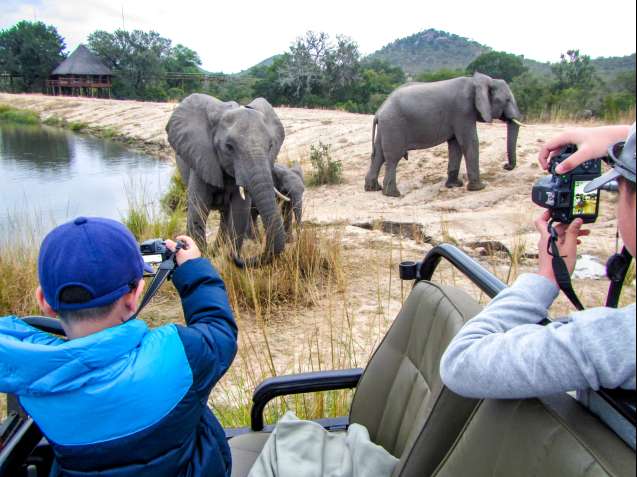
Kruger is generally easier for families because there are more safari styles, more accommodation options, shorter itineraries and easier access from Johannesburg. Private vehicle options and family-friendly lodges can make a big difference, especially for younger children or multi-generation safari groups.
Kruger lodges and camps are usually better equipped for families. You have a wider choice of traditional lodges, self-drive rest camps, camping options, private reserve lodges and budget-friendly safari packages. This makes it easier to match the safari to your children’s ages, your budget and your preferred comfort level.
Kruger is also usually easier for senior travellers. The road infrastructure is better, transfers are simpler, lodge choices are broader and the safari rhythm is more predictable. You can still have a wild and exciting safari, but you are not necessarily dealing with the same level of remoteness or logistical complexity as the Delta.
The Okavango Delta can be wonderful for adventurous families with older children and active senior travellers, but it needs careful planning. Some camps and activities may have age restrictions, especially for mokoro rides, walking safaris and certain wilderness experiences. Transfers can also be more complicated, and remote camps may not suit every traveller’s comfort level.
For senior travellers who want the Delta without the rougher edges, a fly-in lodge safari is usually the most comfortable option. It reduces long road transfers and makes the Delta easier to enjoy, but it also pushes the price up.
If you are travelling with children or older family members, do not choose only by destination. Choose by activity rules, transfer times, room setup, malaria considerations, guide quality, mobility needs and how much downtime your group needs between safari activities.
Kruger and the Okavango Delta can both work beautifully, but the right choice depends on ages, mobility, comfort level, budget and the activities you want to include.
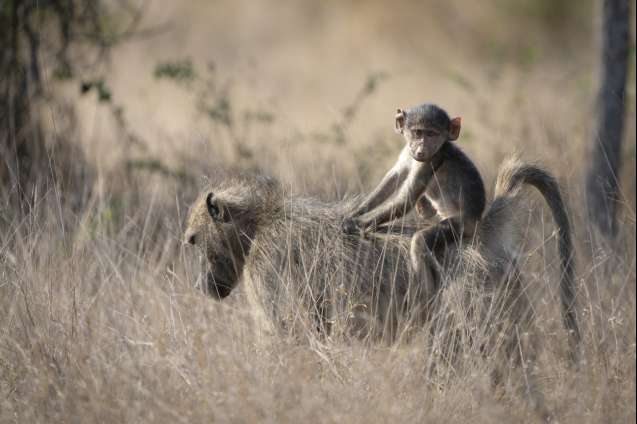
One of the best ways to choose between Kruger and the Okavango Delta is to think about the whole trip, not just the safari days.
Kruger is the better choice if you want an affordable, flexible safari that can easily connect with other South African highlights. It is also the stronger option for travellers who want a bush-and-beach safari without adding too much extra travel cost.
For honeymoons, Kruger and Greater Kruger are often easier to tailor across different budgets. You can go simple and affordable, or upgrade to a romantic private reserve lodge without needing the same level of remote-access logistics as the Delta.
The Okavango Delta is the better choice if you want to build a water-based Southern Africa safari. Delta, Moremi, Khwai, Chobe and Victoria Falls make a powerful route for travellers who want wetlands, rivers, floodplains, elephants, boats and dramatic scenery.
Chobe deserves special mention because it gives you a more affordable water-based safari experience than the Delta. A Chobe River cruise, with elephants on the banks and safari sundowners on the water, is one of the most memorable and accessible safari experiences in Botswana.
For bush-and-beach holidays, Kruger usually works better. Mozambique, KwaZulu-Natal and Cape Town are more natural add-ons from South Africa. From the Delta, a beach extension is possible, but it usually means more flights, more travel time and more expense. For most budget-conscious travellers, it is not the route I would recommend first.
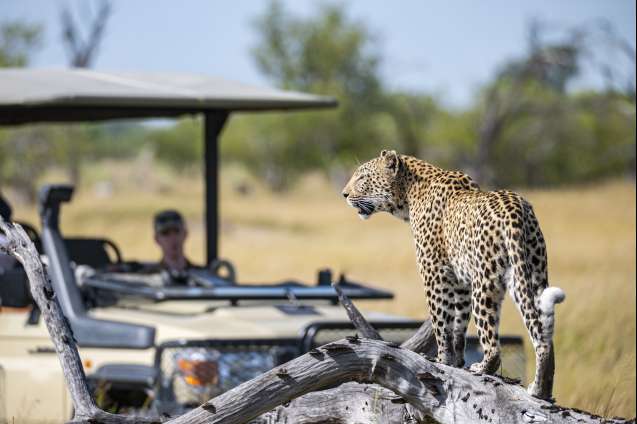
Yes, and for many travellers this is the dream Southern Africa safari combination.
Kruger gives you classic Big Five game viewing. The Okavango Delta gives you water, wilderness, and atmosphere. Together, they create a more complete safari than either destination alone.
The main considerations are budget, travel time, and routing. If you have only a few days, choose one destination and do it properly. If you have 10 to 14 days or more, combining Kruger, Botswana, and Victoria Falls can be superb.
A smart combination might look something like this:
This is not always the cheapest option, but it can be one of the most rewarding ways to experience Southern Africa.
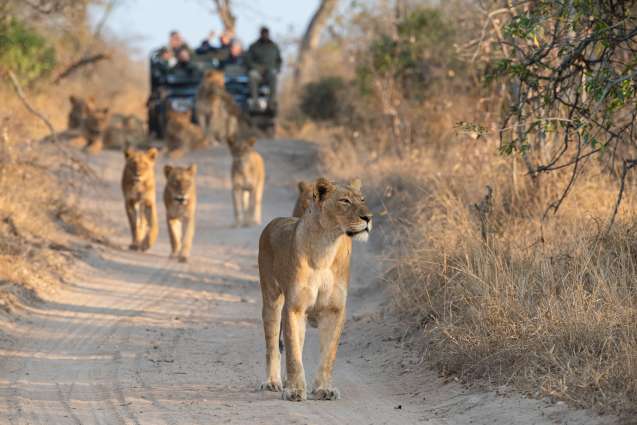
Ready to compare actual safari options? Start here:
Use these pages to compare trip lengths, comfort levels, start points and safari styles. Kruger will usually offer more short and affordable options, while Okavango Delta tours are often part of longer Botswana, Victoria Falls or Southern Africa routes.
If you are not sure where to start, do not worry. That is what we are here for. Tell us whether you want Big Five sightings, water-based safari activities, the best-value route, a family-friendly option or a once-in-a-lifetime Southern Africa combination, and we will help narrow it down.
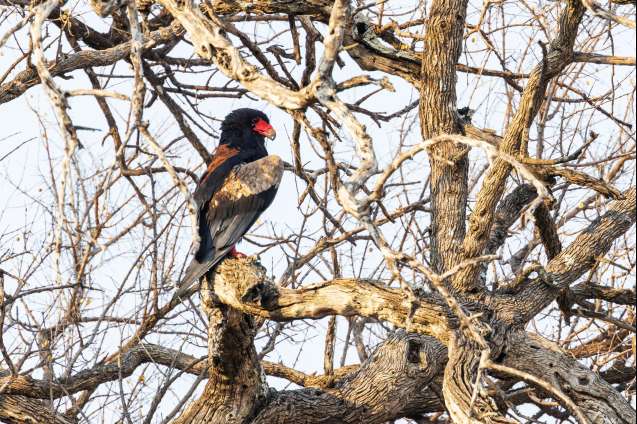
Kruger is usually better for a first safari because it is easier to reach, more affordable, and offers excellent Big Five game viewing. The Okavango Delta is also superb, but it is better suited to travellers who want a more remote and unusual wilderness experience.
Yes, the Okavango Delta is usually more expensive than Kruger because it is remote, camps are more limited, and access often involves longer transfers or light aircraft flights. Budget-friendly Okavango options do exist, especially on overland or mobile camping safaris.
You can see excellent wildlife in the Okavango Delta, including elephants, lions, leopards, buffalo, hippos, crocodiles, and many antelope species. Rhino sightings are more limited in many Delta areas, so Kruger is usually better for a classic Big Five safari.
Some public areas of Kruger can be busy, especially during peak holiday periods. Travellers wanting fewer vehicles can choose private reserves in the Greater Kruger area, such as Sabi Sands, Timbavati, or Balule.
Yes. Kruger and the Okavango Delta combine very well if you have enough time and budget. Kruger gives you classic Big Five game viewing, while the Okavango Delta adds water-based wilderness and a completely different safari atmosphere.
Kruger is usually better for a budget safari because it has easier access, more accommodation options, and more affordable group safari choices. The Okavango Delta is generally more expensive, but overland and mobile camping routes can make it more accessible.
Both are excellent for photography. Kruger is better for classic wildlife photography and Big Five sightings. The Okavango Delta is better for atmospheric landscapes, water reflections, birds, elephants, mokoro scenes, and dramatic wilderness images.
Yes. A mokoro safari is one of the most distinctive experiences in the Okavango Delta and one of the main reasons to choose the Delta over a classic game-drive destination. It is quiet, slow and close to the water, giving you a completely different perspective on the wilderness.
The Okavango Delta can suit senior travellers, especially on comfortable fly-in lodge safaris. However, more adventurous mobile safaris, mokoro activities and remote camps may not suit everyone. Kruger is usually easier for senior travellers because access, roads, transfers and accommodation choices are simpler.
Both can work beautifully for a honeymoon. Greater Kruger is often easier to tailor across different budgets, with romantic private lodges and strong Big Five game viewing. The Okavango Delta feels more remote and exclusive, but it usually costs more, especially for fly-in camps.
Yes, Chobe is one of the best add-ons to an Okavango Delta safari. It offers excellent elephant sightings, boat-based game viewing and memorable Chobe River cruises, often at a lower cost than remote Delta camps.
Kruger is usually better for a bush-and-beach safari because it combines more easily with Mozambique, KwaZulu-Natal, Cape Town and the Garden Route. A beach add-on from the Okavango Delta is possible, but it usually involves more flights, more time and more expense.
You do not need one, but it is highly recommended if your budget allows. A scenic flight is one of the best ways to appreciate the scale of the Okavango Delta, with its channels, islands, floodplains and wildlife paths visible from above.
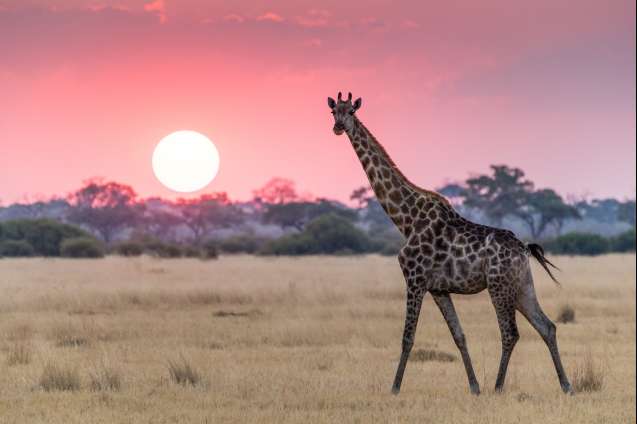
Kruger and the Okavango Delta are both exceptional safari destinations, but they answer different safari dreams.
Kruger is the better-value Big Five safari. It is accessible, flexible, wildlife-rich, and ideal for first-time travellers who want the classic African safari experience without overcomplicating the route or the budget.
The Okavango Delta is the wilder, more remote, and more atmospheric safari. It is not always the cheapest or simplest option, but it offers something rare: a water-based wilderness experience that feels completely different from a standard game-drive safari.
If you want Big Five value, choose Kruger. If you want water, wilderness, and wow-factor, choose the Okavango Delta. If you have the time and budget, combine both and give yourself a proper Southern Africa safari story to tell when you get home.
Still not sure which safari is right for you? Tell us your budget, travel dates, comfort level, and must-see wildlife, and one of our African safari experts will help you compare the best options.
Whether you want Big Five value in Kruger, a wild water safari in the Okavango Delta, or a clever combination of both, we’ll help you find the right safari without the guesswork.
Explore these destinations mentioned in this post.
Below you'll find further reading and articles related or similar to this post.

Call us toll free from US/Canada on 1-888-414-6513, or from the UK on 0-808-189-1052. All other countries can contact us on +27 21 791 0878.
© 2026 African Budget Safaris | Privacy | Terms | Cookie Policy | Consent Preferences

__large__thumb.jpg)
tours_through_moremi_game_reserve__thumb.jpg)
__thumb.jpg)