

Cape Town regularly tops the list of the world’s most beautiful cities. Mountains tumble into turquoise oceans, neighbourhoods pulse with colour and culture, and every corner feels like its own adventure. The only problem? Cape Town can be expensive to visit.
The good news? Cape Town can also be remarkably affordable to visit - if you plan wisely, spend strategically, and know where to go. We bring you the ultimate guide to the top dos and don’ts for exploring Cape Town on a budget in 2026. This guide will help you enjoy the 'Mother City' while saving on expenses.

Cape Town is one of the few destinations where you can hike a world-famous mountain, relax on iconic beaches, explore diverse neighbourhoods, and enjoy award-winning food and wine—all with plenty of options that are free or low-cost. Even small tweaks to where you stay, how you get around, and when you visit can save you thousands.
As a Cape Town–based team, we’ve crafted this guide to help you enjoy the very best of Cape Town in 2026.

Travel guides, blogs, and friends’ suggestions are invaluable, but planning ahead is key. Bookmark your must-visit restaurants, attractions, and hidden gems on Google Maps before your trip. This ensures you hit the ground running upon arrival in the city.
Cape Town’s costs fluctuate dramatically depending on the time of year you visit:
Learn more in our guide, Best Time to Go to Cape Town.
If keeping costs low is your priority, avoid December and early January entirely, as this is when Cape Town is most expensive. However, if you are going to be in Cape Town over the festive season, see summer in Cape Town: How to Avoid the Crowds in the Festive Season.
While the city centre gets most of the attention, the southern False Bay suburbs are Cape Town's best-kept secret. Residential, quiet, and more affordable, these areas offer excellent accommodation without compromising comfort. False Bay’s beaches are safe, the ocean is slightly warmer than the Atlantic coast, and its small towns boast independent cafés and restaurants. This is where Simon's Town is located - home to Boulders penguin colony, one of Cape Town's most visited attractions - but there is so much more to it than that! What's more, hop on a train or drive 30 minutes to the heart of the city, and enjoy both savings and serenity.
Cape Town’s popularity continues to grow. Visitor numbers to Cape Town are expected to increase in 2026 due to new flight routes and major events. Early booking is advisable to secure better prices and availability.
Cape Town offers a wide range of budget-friendly places to stay, as long as you’re flexible about location and avoid the most expensive hotspots.
While the Atlantic Seaboard and central tourist areas often come with premium price tags, many surrounding neighbourhoods deliver excellent value, comfort, and easy access to the city’s top sights.
From relaxed seaside suburbs and lively inner-city districts to self-catering apartments and welcoming guesthouses, choosing the right base can make a huge difference to your overall travel budget.
Best-value areas in Cape Town include:
Guesthouses or self-catering stays usually offer the best value, especially if you plan to cook occasionally.

Packing for Cape Town is all about being ready for variety. Between hikes on Table Mountain and time spent along a coastline shaped by two very different oceans, the weather can change quickly. A smart, flexible packing list will keep you comfortable, whether you’re exploring the city, heading into the mountains, or catching a breezy afternoon by the sea.
Cape Town’s weather is famously unpredictable – literally four seasons in one day! Lightweight layers plus a warm, waterproof top are essential, particularly when hiking on Table Mountain. Even in summer, evenings can be surprisingly chilly.
UV exposure is strong, even on cloudy days. Sunscreen, hats, and sunglasses are essential for all your city and outdoor explorations.
You’ll walk a lot - through the city centre, along the coastline, and on Table Mountain trails. Sturdy, comfortable shoes are a must. If you forget, local stores like Sportscene, Ackermans, and Woolworths offer affordable replacements.

Getting around Cape Town is straightforward with a little local knowledge and the right transport choices. From rideshares and buses to scenic drives along the coast, moving between neighbourhoods is easy, but it’s wise to stay alert when you first arrive, especially at transport hubs or when handling luggage. Use reputable services whenever possible and brace for traffic!.
Table Mountain is your landmark. The city bowl lies at its base, with the South Peninsula extending to Cape Point.
Using Table Mountain as your point of reference and knowing the layout helps plan your days efficiently.
Cape Town is best enjoyed at a relaxed pace. Overbooking attractions can turn your city break into a rush from one location to another.
Catch the sunrise over the city or beaches to enjoy a peaceful start and magical lighting for photos. Early mornings are also ideal for quieter city walks before the crowds arrive.
English is widely spoken, but knowing basic greetings in Afrikaans or Xhosa can enhance interactions and help when asking for directions or assistance. A simple “molo” (Xhosa) or “hallo” (Afrikaans) always earns smiles.

One of Cape Town’s greatest strengths is how much of it can be enjoyed for free or at very little cost. From mountain hikes and scenic beaches to coastal walks, parks, and neighbourhood explorations, the city offers endless ways to soak up its landscapes, culture, and atmosphere without spending a dime.
The city’s beaches are free and spectacular:
For more things to do: read Best Things to Do on the Southern Cape Peninsula
The Atlantic Seaboard Promenade runs from Mouille Point to Sea Point, ideal for jogging, cycling, or casual sunset walks with public art installations and people-watching along the way.
Public parks like the historic Company’s Garden in the middle of town are perfect for relaxed afternoons. Otherwise, go jogging at free Parkrun events held every Saturday. They are sociable, open to everyone, only 5km long, and if Friday night got a little out of hand, no worries - walking the route is perfectly acceptable!

July to October is whale season. False Bay offers excellent land-based viewing, or take a short trip to Hermanus for world-class whale spotting.
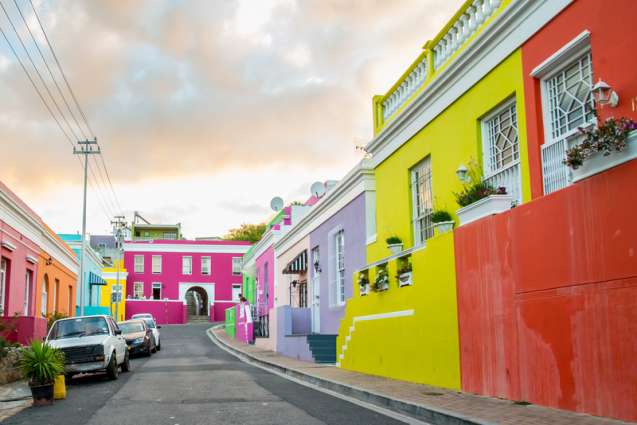
With a mix of Dutch, French, English, Malaysian, Christian, and Muslim influences, Cape Town’s cultural experiences are just as rewarding as its landscapes, and many are available at little to no cost. From insightful museums and neighbourhood walking tours to historic districts and public art spaces, the city offers meaningful ways to connect with its history, creativity, and communities without stretching your budget.
Avoid long queues by securing entry to top attractions, particularly during peak periods. Bookings can usually be done online.
Whether yoga, theatre, brewery tours, hunting down street food, or something completely offbeat, doing what you love is one of the surest ways to make your trip memorable.

Cape Town’s food scene has a global reputation, but you don’t need a fine-dining budget to eat well here. From laid-back cafés and neighbourhood bakeries to buzzing food markets and seaside fish and chips, the city offers plenty of affordable ways to eat and drink like a local. With a little know-how, you can enjoy excellent food, great coffee, and even wine tastings without overspending.
Cape Town is known for its wonderful fresh fish and seafood. Head to Kalk Bay, Muizenberg, or Hout Bay to enjoy fresh fish and chips in relaxed coastal settings.
Foodie Markets provide affordable meals and a vibrant atmosphere:
Cape Town offers many culinary experiences, from wine-and-cheese pairings, barrel tastings, craft beer, artisanal gin, and chocolate or olive oil tastings - ideal for variety seekers without breaking the bank.
Tap water is safe in Cape Town; carry a refillable bottle to stay hydrated and reduce plastic waste.

Cape Town is a rewarding and enjoyable city to explore, but like any major destination, it pays to be street-smart. Most visits are trouble-free, especially when travellers take simple precautions, follow local advice, and plan their movements carefully. A few common-sense safety tips go a long way in helping you explore the city with confidence and peace of mind.
Cape Town is increasingly cashless. Use credit cards, Uber, or Bolt for transportation, and mobile apps like SnapScan at markets.
Purchase upon arrival at Cape Town International Airport for convenient data and calls.
Use Uber, Bolt, or MyCiTi buses in the city to save money and avoid parking hassles. Rent a car for the days you take day trips further afield.
Tip parking attendants or gas station staff between R5 and R10 when using a car.
Skip overpriced malls and curio shops; explore Greenmarket Square, Hout Bay Harbour Market, street art vendors, or local art co-ops for meaningful, affordable items.
Tourists can reclaim 15% VAT paid on purchases over R250. Present tax invoices and items at customs when leaving South Africa.

Having a rough idea of everyday costs makes planning a Cape Town trip far easier, especially when travelling on a budget. The sample prices below give a realistic snapshot of what you can expect to spend in 2026, helping you budget confidently for food, transport, activities, and small daily essentials. Here is a quick guide to help you plan:
A 4-Day (3 Night) package gives you two full days to explore Cape Town and get to know the surroundings. A cost-effective option for those with limited time, and a great introduction to the city.
Sample Cape Town Tour Packages:

Cape Town doesn’t need to be expensive to visit. With smart planning, you can enjoy dramatic landscapes, rich culture, and world-class cuisine without draining your wallet.
As an independent, Cape Town–based company, we at African Budget Safaris know this city inside out, from the hidden gems to the genuinely great deals. With decades of experience arranging tailor-made vacations across Africa, we understand exactly what travellers need and what makes a trip truly memorable. Our advice is always honest, practical, and focused on what’s best for you. From seamless transfers to hand-picked accommodation and activities, we’re here to help you experience Cape Town at its best
Speak to one of our expert travel consultants to begin planning an affordable and unforgettable trip to the Mother City.

Explore these destinations mentioned in this post.
Below you'll find further reading and articles related or similar to this post.




Call us toll free from US/Canada on 1-888-414-6513, or from the UK on 0-808-189-1052. All other countries can contact us on +27 21 791 0878.
© 2026 African Budget Safaris | Privacy | Terms | Cookie Policy | Consent Preferences