Is Uganda safe? Yes, Uganda is generally safe for tourists, especially those travelling on organised safaris with reputable operators.
For most visitors, the biggest risks are not wildlife, but road travel, petty crime in cities, health preparation, and travel near unstable border regions.
Uganda remains one of East Africa’s most rewarding safari destinations, famous for gorilla trekking, chimpanzee encounters, classic game viewing, and warm local hospitality. With sensible precautions, good medical preparation, and the right safari company, most travellers enjoy a smooth, safe, and unforgettable trip.
This Uganda safari safety guide covers what you need to know before you go, including crime, road safety, health risks, gorilla trekking, LGBTQ+ travel concerns, and the safest parts of Uganda for safari travel.
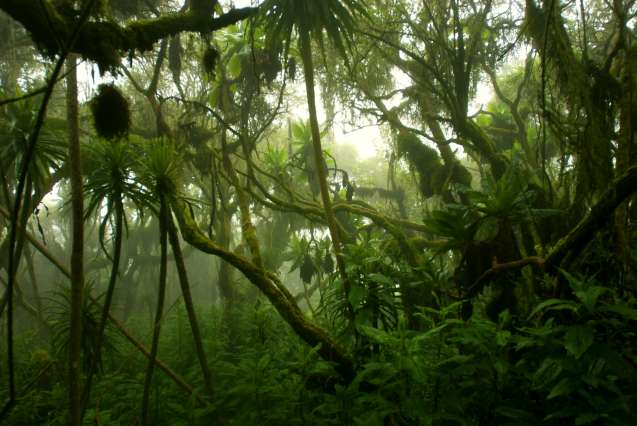
Uganda is considered a safe safari destination in East Africa, and most visits are trouble-free, especially when travellers use experienced guides, established lodges, and reputable tour operators. Tourism plays an important role in the economy, so visitor safety is taken seriously in the country’s main safari areas.
You can generally expect a safe and rewarding trip when you:
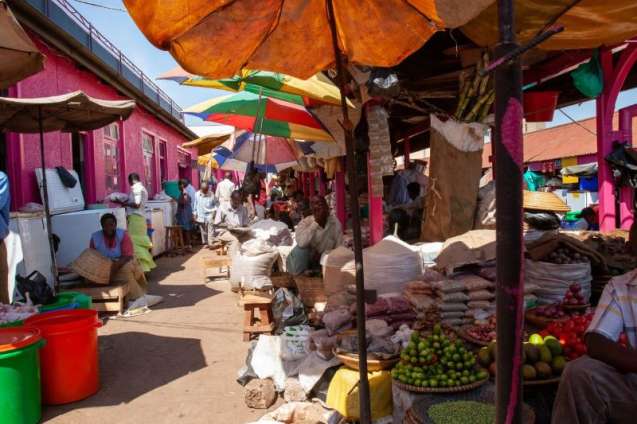
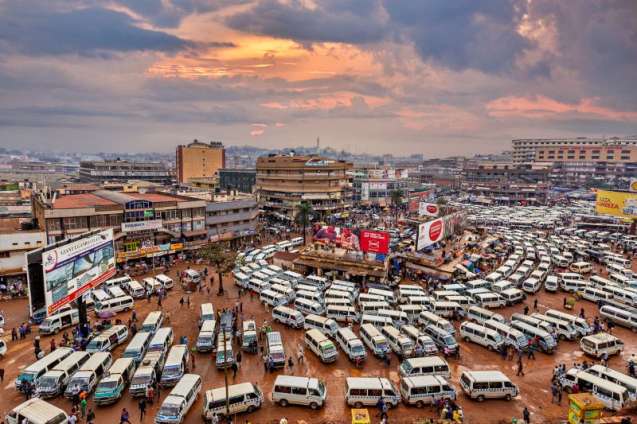
Uganda is not a high-crime destination for tourists, but petty crime does occur, especially in busy urban areas such as Kampala. The most common issues are pickpocketing, phone snatching, and opportunistic theft rather than violent crime against safari travellers.
In cities like Kampala, extra caution is advised, especially at night.
While most Ugandans are extremely friendly and welcoming, there may be scam artists around who target wealthy-looking individuals, and scams can occur.
Be cautious if someone:
When in doubt, rely on your guide or accommodation staff for advice and assistance.
Bottom line: Exercise normal travel awareness, especially in cities, transport hubs, and crowded public areas.
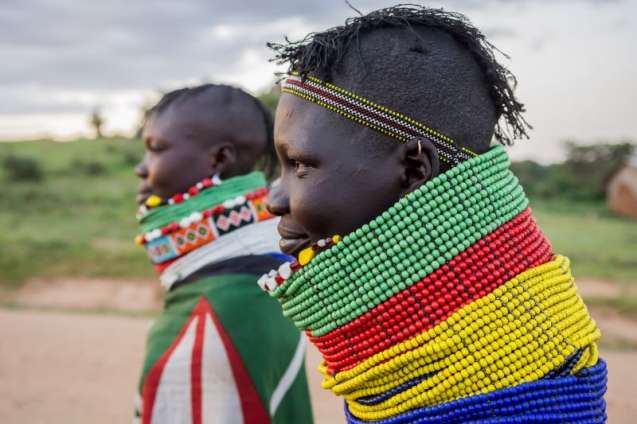
There is one major exception to Uganda’s generally positive safari safety profile.
Uganda is a conservative country with some of the strictest anti-LGBTQ+ laws in the world, including the Anti-Homosexuality Act of 2023. Same-sex relationships carry serious legal and social risks, and openly identifying as LGBTQ+ or showing public affection can create genuine safety concerns.
That said, some LGBTQ+ travellers do still visit Uganda, particularly on organised safaris staying in internationally oriented lodges. Anyone considering travel should do so with full awareness of the legal environment and exercise great discretion throughout the trip.
If you choose to visit Uganda:
Bottom line: Uganda is not an LGBTQ+-friendly destination, and travel requires careful consideration.
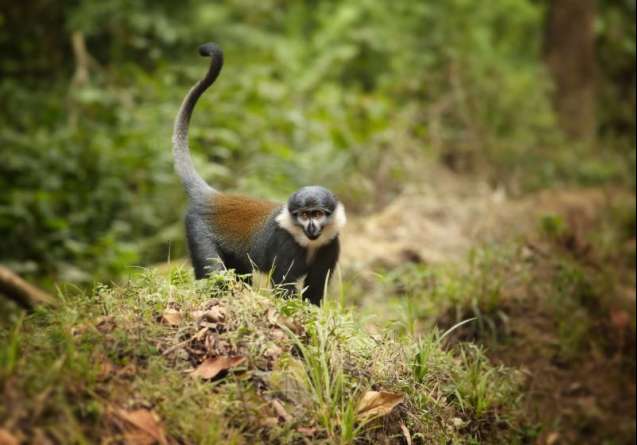
Uganda is a tropical destination, so health preparation is an important part of safe travel. The main concerns for most safari travellers are malaria prevention, yellow fever requirements, safe drinking water, and access to medical care in remote wildlife areas.
The good news is that most health risks in Uganda are manageable with the right preparation. A pre-travel health consultation, the correct vaccinations, malaria precautions, and comprehensive travel insurance go a long way toward making your Uganda safari safer and more comfortable.
Like many tropical destinations, Uganda has a few insect-borne diseases to keep in mind, particularly:
Malaria is a risk in almost all parts of Uganda, including most safari destinations. The risk is higher in lower-altitude and rural areas.
The risk of contracting malaria can be greatly reduced through a combination of prophylaxis (anti-malarial medication) and preventative measures to avoid insect bites.
The most suitable prophylactic option should be determined in consultation with your medical practitioner, taking into account your medical risk factors, medical history, and any current medications. Consult a travel health specialist at least 4–6 weeks before travel to discuss your options for malaria prophylaxis medication.
Yellow fever is a tropical illness spread by mosquitoes and is present in Uganda. Though most cases are mild, in a small number of cases, it can develop into a severe and potentially fatal condition.
A mandatory yellow fever vaccination is required for entry into Uganda. You are required to present your yellow fever certificate at the airport immigration on arrival and departure from the country.
The good news is that a single dose of yellow fever vaccination offers lifetime immunity to the disease. This vaccination should be administered at least 10–30 days before travel for maximum immunity.
Tsetse flies are present in parts of Uganda, particularly in more remote savannah and national park areas, but the risk they pose to tourists is generally low.
Tsetse flies can transmit African trypanosomiasis (sleeping sickness), although cases among visitors are rare.
Tsetse flies are active during the day, and their bite feels like a sharp sting. Precautions include:
Bottom line: With these simple precautions, the risk remains minimal for most travellers.
A few simple precautions while on safari can significantly reduce your risk of getting bitten by bugs and possibly catching insect-borne diseases:
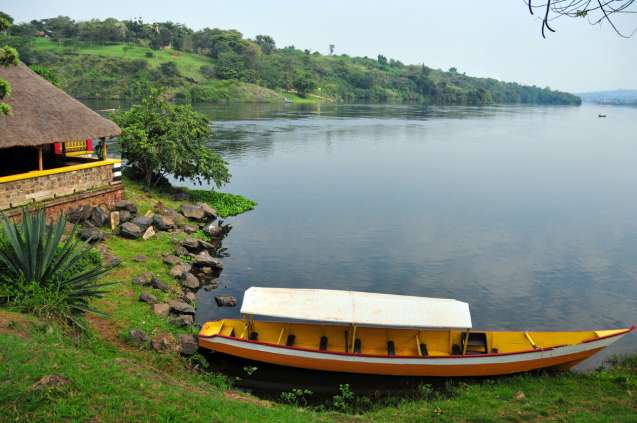
Tap water is not considered safe to drink in Uganda, even in major hotels. Consuming untreated water can lead to serious gastrointestinal illnesses, including giardia, dysentery, or typhoid.
Reputable safari lodges and tour operators are well-prepared to provide guests with safe bottled or purified drinking water. When you are on the road, bottled mineral water is widely available to purchase.
How to stay safe:
Uganda’s top wildlife areas, including the Bwindi Impenetrable Forest, Queen Elizabeth National Park, and Budongo Forest in Murchison Falls National Park, are extremely remote.
While that remoteness is part of the magic, it is also an important safety consideration. Medical infrastructure in Uganda is limited outside major cities such as Kampala. Access to advanced medical care can be challenging.
Established safari operators do have evacuation protocols and satellite communications in the event of emergencies. In the case of serious illness or injury, evacuation to another country (such as Kenya or South Africa) may be required.
When booking your Uganda safari, remember to ask these important questions:
Travel Insurance
Comprehensive Travel Insurance with medical evacuation cover is not only essential but mandatory. Most travel insurance companies require pre-evacuation authorisation, which can be challenging to arrange from a remote location. We strongly advise our clients to check if their insurance company actively assists with medical evacuations.
How to stay safe:
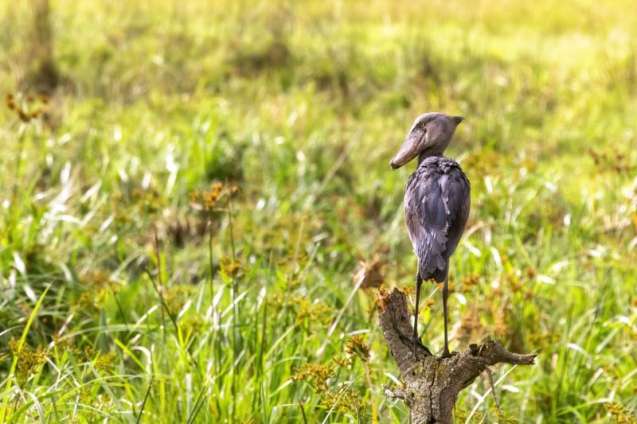
For most travellers, the safest and easiest way to experience Uganda is on a well-planned safari with expert guides, reliable vehicles, and carefully chosen lodges. If you want help choosing the right Uganda safari for your comfort level, budget, and travel style, speak to our African travel experts.
Yes, Uganda safaris are very safe when conducted by reputable companies with professional guides.
National parks are actively monitored by trained rangers who ensure both visitor safety and wildlife protection. Popular activities such as gorilla trekking are tightly controlled, with permits, guided groups, and strict rules to manage interactions with the animals and minimise risk.
Because of these enhanced safety protocols, incidents mostly occur when travellers ignore the advice of their guides or get too close to wild animals.
How to stay safe on safari:
Wildlife safety is about awareness, not fear. If you are careful not to startle the animals and maintain a safe distance from them at all times, you should not have a problem.
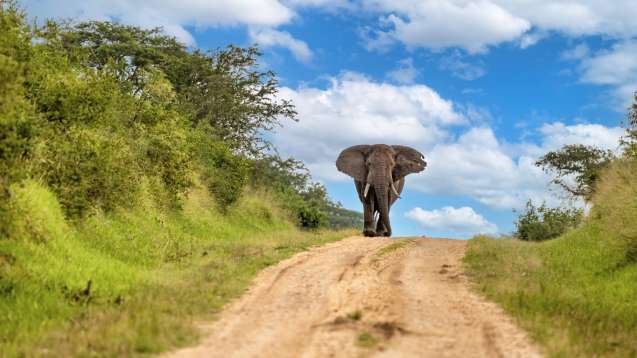
In Uganda, road accidents pose a greater risk than crime or wildlife. Always book your road transport through reputable companies and safari guides.
While many tourists do navigate the country independently, local driving culture can feel quite chaotic. Driving can be quite aggressive in busy urban areas like Kampala, where larger vehicles such as buses and trucks dominate the roads.
Driving long distances by road requires experience, concentration, and confident decision-making. Night driving outside towns significantly increases your travel risk due to livestock and wildlife roaming on unlit roads.
Road conditions vary significantly:
In short, Self-driving in Uganda is generally considered safe but requires a high level of preparation, vigilance, and confidence.
Want to travel stress-free? Book a Uganda safari with a reliable company that offers knowledgeable guides, reliable vehicles, and an experienced team - so you can focus on the wildlife and stunning African landscapes.
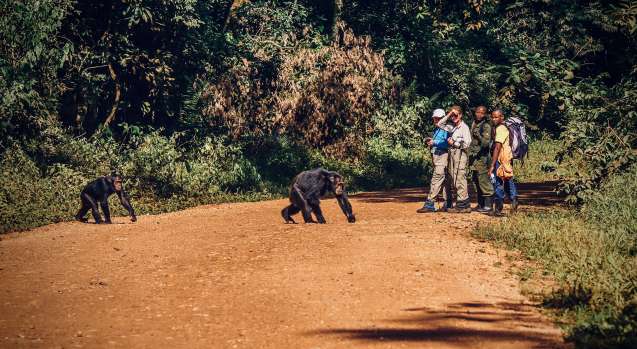
Self-driving in Uganda is possible, but it is not the best fit for every traveller. While confident and well-prepared visitors do explore independently, road conditions, long distances, park logistics, navigation issues, and the risks of night driving make guided safaris the safer and more convenient choice for most people.
If you are visiting Uganda for gorilla trekking, a classic wildlife safari, or a first trip to East Africa, travelling with a reputable operator removes much of the stress. You benefit from local knowledge, safer transport, lodge coordination, park expertise, and support if plans change unexpectedly.
| Travel Style | Best For | Safety Notes |
|---|---|---|
| Self-drive Uganda safari | Experienced, confident, independent travellers | Requires careful planning, strong navigation skills, and avoiding night driving |
| Guided Uganda safari | Most first-time visitors, families, seniors, and safari travellers | Safer, easier, and better supported in remote areas |
| Fly-in or lodge safari | Travellers prioritising comfort and shorter road transfers | Reduces time on the road and adds convenience |
| Region | What to Know |
|---|---|
| Central Uganda & Kampala | Generally safe by day, but the risk of petty crime is higher in busy urban areas. Extra caution is advised at night. |
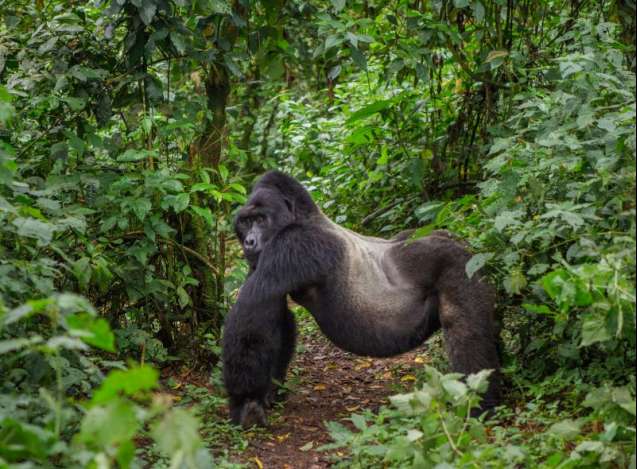
| Southwestern Uganda | Includes Bwindi Impenetrable National Park and Queen Elizabeth National Park. This is Uganda’s main safari circuit and is generally very safe for organised travel. |
| Northwestern Uganda | Includes Murchison Falls National Park. Safe for guided safaris, with established tourism infrastructure. |
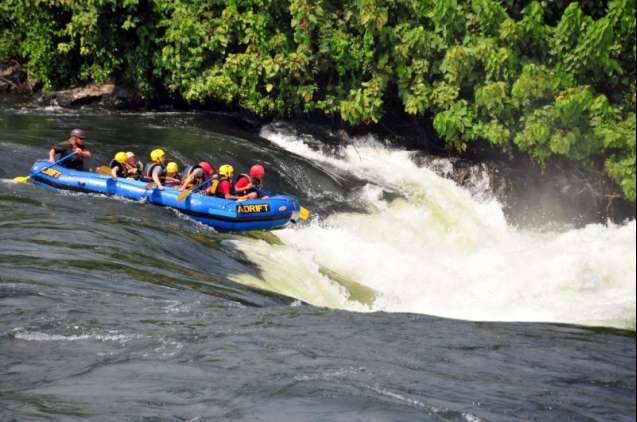
| Eastern Uganda | Includes Jinja and the Nile region. Popular for adventure travel and generally safe with regulated operators. |
| Northern Uganda | Includes Kidepo Valley National Park. Remote and best visited on an organised tour. |
| Border regions near the DRC and South Sudan | Require extra caution due to occasional instability. Stick to established safari routes and avoid unnecessary travel near sensitive border areas. |
Uganda is up there with the most hospitable countries in Africa. It is home to 54 ethnic groups and languages, and most visitors are struck by the incredible warmth and friendliness of the people they encounter.
However, Uganda is culturally conservative, and respecting local norms will help you avoid problems and miscommunications:
Understanding cultural context elevates your interactions with locals, enhancing both your sense of safety and giving you an immersive travel experience.
Is Uganda safe for safari travel?
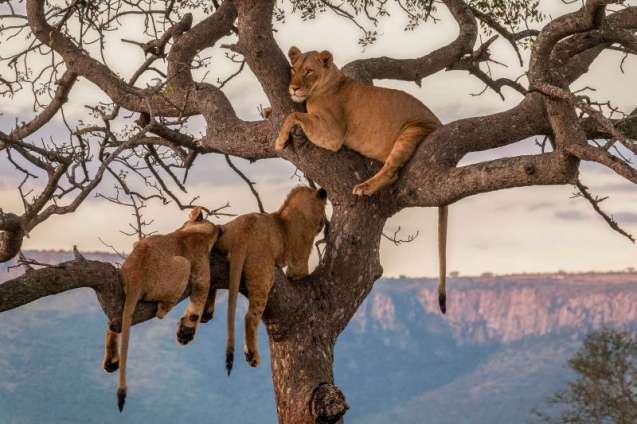
Yes. Uganda is generally safe for safari travel, especially in well-managed national parks and with reputable tour operators. Most safety concerns for visitors relate to roads, health preparation, and city petty crime rather than wildlife areas.
Are Uganda’s national parks safe?
Yes. Parks like Bwindi Impenetrable National Park and Queen Elizabeth National Park are well-protected, with trained rangers and regulated tourism activities.
Is crime a problem for tourists in Uganda?
Petty crime, such as pickpocketing, can occur - particularly in larger centres like Kampala. Taking basic precautions significantly reduces the risk of petty crime.
Can I travel independently in Uganda?
Yes, independent travel is possible, but for safaris, most visitors are better off with a registered operator. Guided travel makes logistics easier, reduces road risk, and adds valuable local knowledge in remote areas.
Is Uganda safe for LGBTQ+ travellers?
Uganda has strict anti-LGBTQ+ laws, including the Anti-Homosexuality Act 2023. Travellers should carefully consider the legal and social risks before visiting.
What vaccinations do I need for Uganda?
A yellow fever vaccination certificate is mandatory for travel to Uganda. Malaria prevention is also strongly recommended.
Is tap water safe to drink in Uganda?
No. Only drink bottled or boiled water. Also, be wary of ice and raw vegetables rinsed in tap water.
What should I do in a medical emergency?
Medical facilities are limited outside major cities. In serious cases, evacuation to another country may be required. Ensure your insurance covers this comprehensively.
Are there areas in Uganda I should avoid?
Avoid travel near the borders – with South Sudan in the north, and the Democratic Republic of the Congo in the west - due to security risks and cross-border instability.
Can I take photos freely?
No. Do not photograph military or government sites, and always ask permission before photographing people, especially in villages, schools, or religious settings.
Most travel problems in Uganda are preventable with common sense, careful planning, and respect for local guidance.
Uganda is suitable for many types of travellers, but some visitors will benefit more than others from guided safaris, shorter transfers, or extra planning.
| Traveler Type | Uganda Travel Safety Notes |
| Solo Female Travelers |
Can explore safely with standard urban awareness. Safari lodges and camps are generally secure and professionally managed. |
| Families |
Uganda can work well for families, but children need close supervision, and some activities have age limits. |
| Senior Travelers |
Usually benefit from guided tours or fly-in safaris that reduce long road transfers and increase comfort. |
| Photographers with expensive equipment |
Should avoid leaving gear visible in vehicles or unattended in towns. |
| LGBTQ+ Travelers |
Need to exercise extra discretion, avoid public displays of affection, and stay in trusted, internationally oriented lodges and safari groups. |
Yes, Uganda is safe for most travellers, especially those visiting on organised safaris with reputable operators. The main risks are road travel, petty crime in cities, health preparation, and travel in remote border areas, not the safari experience itself.
Uganda is one of Africa’s most rewarding safari destinations, offering gorilla trekking, chimpanzee encounters, classic wildlife safaris, and warm local hospitality. With sensible precautions, good planning, and the right support on the ground, it can be an unforgettable and very rewarding place to travel.
If you want a safer, smoother, and more comfortable Uganda safari, our African travel experts can help you choose the right route, lodge standard, and travel style for your needs. Get in touch to start planning your Uganda safari.
Explore these destinations mentioned in this post.
Below you'll find further reading and articles related or similar to this post.




Call us toll free from US/Canada on 1-888-414-6513, or from the UK on 0-808-189-1052. All other countries can contact us on +27 21 791 0878.
© 2026 African Budget Safaris | Privacy | Terms | Cookie Policy | Consent Preferences




__medium.jpg)