Africa overland tours have evolved from rugged, continent-crossing expeditions in converted trucks into well-organised group safaris with experienced guides, structured routes, and a range of travel styles to suit different budgets and comfort levels.
The spirit of adventure is still very much alive, but modern overland travel in Africa is now safer, more accessible, and far more comfortable than it once was. Here’s how it has changed, and what it actually feels like on the road today.
Overland travel offers something very different from a typical holiday. Instead of moving quickly between highlights, it’s about the journey itself, long-distance travel through national parks, remote landscapes, and places most travellers never get to see.
This is not about sitting back and watching Africa from a distance. It’s about being part of it. One day you might be tracking wildlife in the Serengeti National Park, the next gliding through the waterways of the Okavango Delta, or climbing a dune at sunrise in the Namib Desert.
These are the moments that define overland travel, the kind of first-time experiences that stay with you long after the trip ends.
Of course, travelling across a continent as vast and varied as Africa raises some big questions. Distances are long, flights can be expensive, and many of the most rewarding destinations lie far beyond the reach of standard transport. Each country offers something completely different, and knowing where to go and how to get there can feel overwhelming at first.
That’s where overland tours come in.
An Africa overland tour simplifies the logistics while keeping the adventure intact, giving you access to multiple countries, iconic safari destinations, and remote landscapes, all in one well-planned journey.

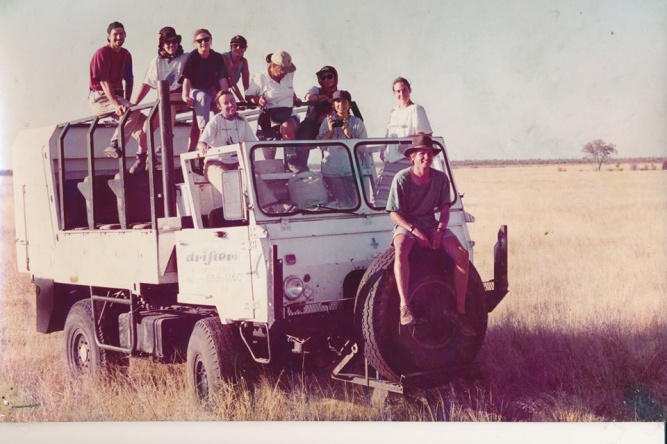
Africa overland travel started growing in popularity in the 1980s. Back then, African overland vehicles were often big ex-army trucks. There was no GPS for crossing deserts and no smartphones for contacting home. Just you, your traveling companions, your overland truck, your crew, and miles upon miles of open roads.
For a complete breakdown of how these trips work today, see our Africa Overland Tours Guide.
Today, Africa overland travel is often simply referred to as 'overlanding'.
Overlanding has come a long way since then, but that same spirit of adventure remains.
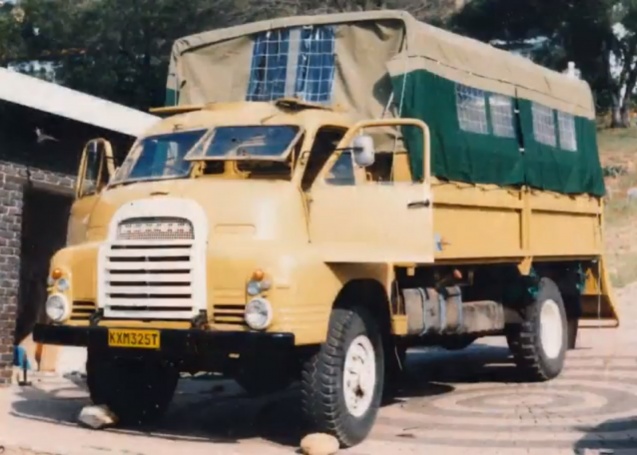
Together, you and your traveling companions climb aboard a (now custom-built) truck. You will have some big drive days and (depending on the type of trip) a good deal of pitching in to help prep meals and put up tents.
And before you know it, you’re part of this tight-knit group sharing an incredible journey where each day on the road is memorable for all the right reasons.
This is why it’s hardly surprising that, over the decades, overland travel in Africa has grown into the hugely successful, multimillion-dollar industry it is today.
To understand how overland travel in Africa has evolved, we spoke to long-standing industry experts with decades of experience leading and operating overland tours.
Ken is the CEO of Drifters and has been in the industry for the best part of 30 years (starting in 1990). Vivian, the Director of Acacia Africa, went on his first overland tour in 1987. He later became a tour leader for 2 or 3 years before joining the Acacia Africa team.

Vivian’s first trip to Africa was on an overland adventure, booked and arranged in the UK. The trip started in London and (a good 25 or 26 weeks later!) ended in Johannesburg. Getting from London to Nairobi was about a 16-week journey that included crossing the Sahara Desert, and then from Nairobi to Johannesburg took another 6 or so weeks.
People tended to have more time in those days, so several UK and US-based overland travel companies offered this trans-Africa route. In the early 90s, security issues in the Sahara led to operators finding an alternate route from Morocco around the coast. But by then, tours had already started shifting from trans-Africa epics to shorter trips.
Nowadays, travelers with time to spare can opt for epic Africa overland tours from Kenya to South Africa. That section of the original route hasn’t changed much, then again, why would it? It’s an incredible 6 weeks with a great mix of scenery, fantastic game parks, beautiful beaches, and the chance to see thundering Victoria Falls, like this Kenya to Cape Town Overland Camping Tour.
And if you don't have 6 weeks? No problem! Overlanding in Africa these days has expanded to include a huge variety of trips. Victoria Falls to Cape Town is always a popular choice, or maybe for your first journey; you just want to test the waters with a shorter itinerary like this Delta & Victoria Falls Safari.
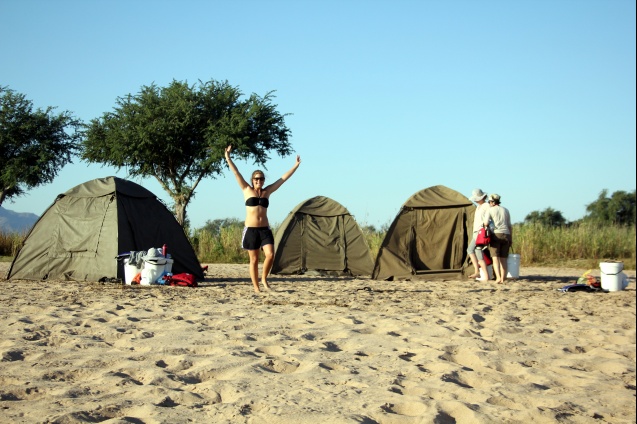
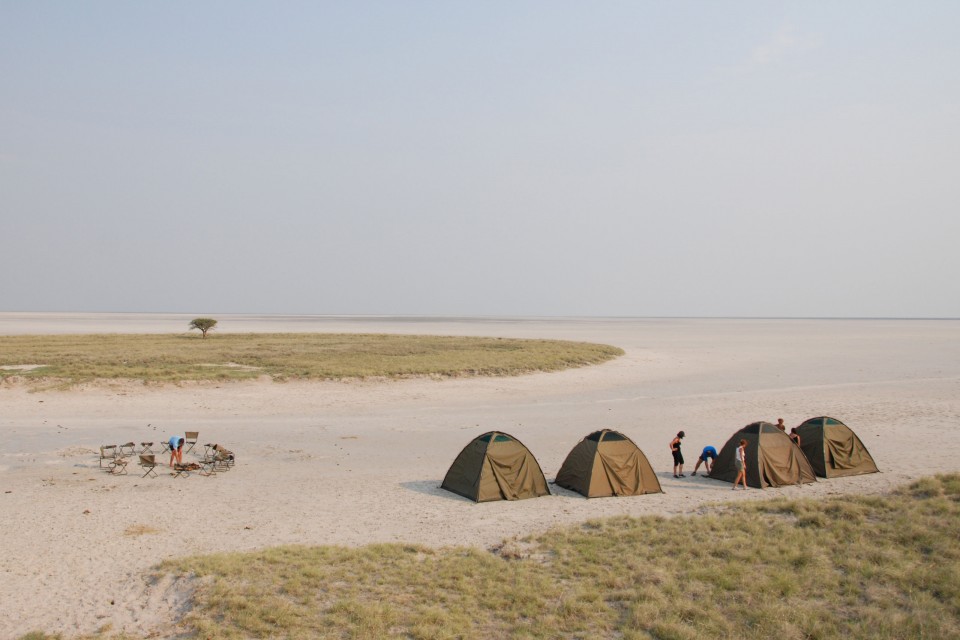
The Africa Overland Tour route from Kenya to Cape Town may not have changed much, but the campsites along the way have changed. In the early days of overland travel, camping wild was the norm, whereas now there is a wide range of great, secure rest camps – some with excellent facilities, including restaurants and bars.
This doesn’t mean that nowadays, you’re guaranteed a hot shower at every stop. Instead, there’s usually a good mix where some nights are spent in more built-up campsites and others camping wild under the African skies. It generally comes down to the countries you’re traveling in; for example, campsites in Southern Africa tend to have better facilities than those in East Africa.
Also, these days, if you grow weary of sleeping in a tent, then there’ll probably be the option of upgrading to a room for a night or two along the way. Or, if camping isn’t your thing, when booking your overland trip, you can choose to pay a bit more for an accommodated itinerary.
You can also browse Africa overland tours to compare camping and accommodated options by price and travel style.
Africa Overland travel has evolved to include a wide range of accommodated tours. This Cape Town to Nairobi Overland Safari includes the same spectacular highlights as the camping itinerary, along with the added comfort of sleeping in a bed every night.
Or how about Mozambique? This relatively new overlanding destination has beaches, snorkeling, and tropical islands that are easily combined with neighboring South Africa.
Whether booking a camping or an accommodated overland tour, Ken says there’ll be one night where their guide still encourages the group to sleep under the stars. For many, this is a first and, although initially apprehensive, lying under the bright blaze of the Milky Way turns into a true highlight of their overland trip.
Something else that has certainly changed is the itineraries.
Both Ken and Vivian agree that in the early days of overland travel in Africa, itineraries were vague at best. Something along the lines of: “Week 1: Southern Botswana”. So you’d know the major highlights but not the daily details. Along the way, guides would chat with each other, maybe try a slightly different route, or spend a bit longer in one spot. It was all rather flexible.
Nowadays, neither Vivian nor Ken would dream of sending clients on an overland trip without a day-to-day detailed itinerary. Before stepping foot on a truck, you’ll know where you’re going, where you’re staying, and all the stops and activities. Sure, things can change. After all, TIA (This is Africa). But it's pretty rare.
Expectations have risen, and so too has the level of professionalism within the African overlanding industry.
Not sure which overland route or trip length suits your travel style? Our safari experts can help you choose the right option based on your budget, time, and travel goals.

Equipment, too, has come a long way. Gone are the days of bumping along in an old Bedford truck with some basics strapped to the roof.
Nowadays, overland companies have custom-built safari vehicles where cushioned seats, large windows, and individual lockers are standard. There are charging points for cameras and phones, and camping trucks have fold-out kitchens and all the cooking necessities for prepping bang-up meals in the African bush.
There’s even the option of luxury overland travel in smaller, 12-seater vehicles with super comfortable seats, air con, and extra legroom. For example, this Southern Africa Small Group Safari crosses South Africa, Swaziland, and Lesotho in style in a 12-seater Luxury Adventure Vehicle.

Back in the days of those epic trans-Africa trips, reaching Joburg or Cape Town came with a massive sense of achievement. Crossing the African continent really was the goal in itself. Now, the focus has shifted from conquering the route to engaging more with people and places as you travel. For example, these days, most overland tour operators use local suppliers for game drives and other activities.
As for your crew, your driver and tour guide are now far more likely to come from Zimbabwe, Kenya or South Africa than from Europe or Australia. And again, the level of professionalism has increased. It’s no longer enough to have been on a few similar overland trips. These qualified guides have a great passion for the countries you’re visiting and loads of interesting stories to share.
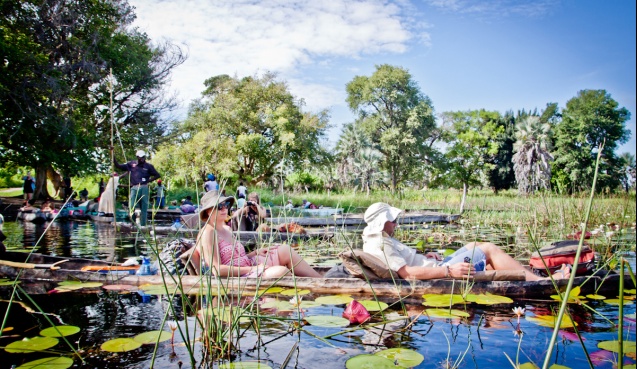
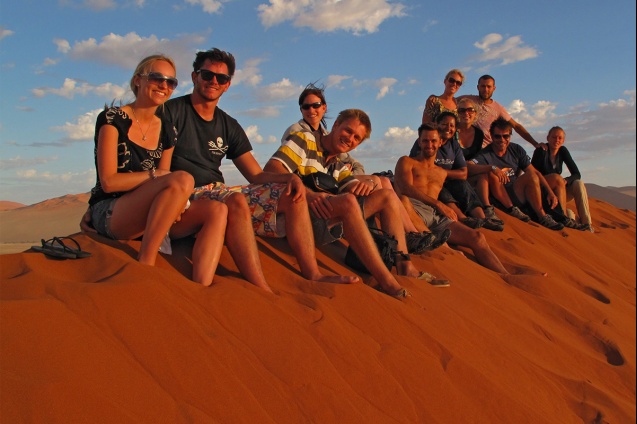
The overlanding style of travel is more about the right attitude than the right age. Yes, a good percentage of overland travelers are in their 20s or early 30s, but since its beginnings, overlanding has attracted people of all ages. And because it has such a wide appeal, overlanding Africa keeps expanding to include new tour options. Accommodated or camping is really just the start!
For example, there are now trips specifically aimed at travelers over the age of 40. Safaris for senior travelers in their 50s and 60s are, in fact, becoming increasingly popular!
These overland tours for seniors are a little more luxurious. For starters, they’re fully serviced, so no chopping vegetables or setting up camp. Group sizes are kept relatively small (no more than 15 travelers per trip), and there is three crew on board – a driver, a guide, AND a cook.
So, on a 40+ camping tour like this 21-Day Southern African Safari Adventure, you can have a drink while your tent gets pitched. And while most nights are spent in your tent camp bed, there will be the occasional stay in a hotel or guest house.
Or you can opt for a 40+ accommodated tour like this 22-Day Overland Lodge Safari from Victoria Falls to Cape Town. No basic bungalows or shared bathrooms here! It’s 3 (or even 4) star lodges all the way,
For the very young ones, there are Family Overland Tours, which welcome families traveling with kids.

Beyond the logistics and the vehicles, overland travel in Africa is defined by how it feels day to day.
There are early mornings, long drives, and moments where plans shift slightly, but that’s all part of the rhythm. What stands out most is the shared experience. You travel with the same group, eat together, help out where needed, and quickly settle into a routine that feels surprisingly natural.
Evenings often end around a campfire, swapping stories under clear African skies, while the days are filled with everything from wildlife sightings to unexpected roadside stops.
It’s not polished, and that’s exactly the point. Overlanding isn’t about isolating you from Africa; it’s about placing you right in the middle of it.

If you’re a single traveler, then overland group travel has always been an excellent option. It’s safe, cost-effective, and comes with a ready-made group of traveling companions. For more on the perks of joining an African tour, see our Solo safari post by Jo Duxbury.
Then, there are tailor-made safaris. What about an Africa overland tour for just you and your friends, family or photography group? That’s now not only possible but is becoming more and more popular - and it’s easy to see why.
To get a better idea of how it all works, take a look at this private group page. You give an idea of your group size, the amount of time you have available, and any must-see destinations on your wish list – and you get your own made-to-order overland Africa trip!

How has overland travel in Africa changed over time?
Overland travel has evolved from loosely planned expeditions in basic trucks to structured group safaris with detailed itineraries, purpose-built vehicles, and a wide range of travel styles, from camping to lodge-based trips.
Is overland travel in Africa still adventurous?
Yes. While safety, organisation, and comfort have improved, overlanding still involves long drives, remote destinations, and the unpredictability that makes travel in Africa so rewarding.
Are overland tours more comfortable than they used to be?
Yes, significantly. Modern overland trucks are designed for long-distance travel, campsites often have good facilities, and many tours now offer accommodated options with beds and private bathrooms.
Do you still camp on overland safaris?
Camping is still popular, but it’s no longer the only option. Many tours now offer fully accommodated or mixed-style trips, giving travellers more flexibility.
Who travels on overland tours today?
Overlanding now attracts a wide mix of travellers, including solo travellers, couples, older travellers, and families on specialised departures.

Are overland safaris only for budget travellers?
No. While overlanding remains one of the most affordable ways to explore Africa, there are now mid-range and small-group tours that offer more comfort and inclusions.
How do I choose the right overland tour?
It depends on your budget, travel style, and how much comfort you want. Some travellers prefer classic camping trips, while others choose accommodated or small-group tours for added comfort.
What is the best overland route in Africa?
Popular routes include Kenya to Cape Town, Victoria Falls to Cape Town, and Southern Africa circuits. The best route depends on how much time you have and which highlights you want to include.
Is an overland safari worth it?
For travellers who want to see multiple countries, keep costs manageable, and experience Africa beyond the main tourist hubs, overlanding offers exceptional value and a uniquely immersive travel experience.
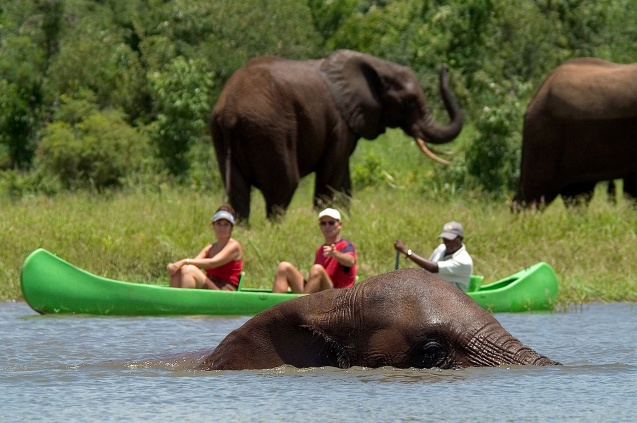
Overlanding in Africa continues to evolve, but the essence remains the same: shared adventure, incredible landscapes, and the freedom of the open road.
Whether you choose a classic camping trip or a more comfortable lodge-based journey, overland travel offers one of the most rewarding and cost-effective ways to experience Africa.
Ready for your own overland adventure? Explore our Africa overland tours or speak to one of our travel experts to find the right trip for you.

Below you'll find further reading and articles related or similar to this post.




Call us toll free from US/Canada on 1-888-414-6513, or from the UK on 0-808-189-1052. All other countries can contact us on +27 21 791 0878.
© 2026 African Budget Safaris | Privacy | Terms | Cookie Policy | Consent Preferences

__medium.jpg)




__large.jpg)