
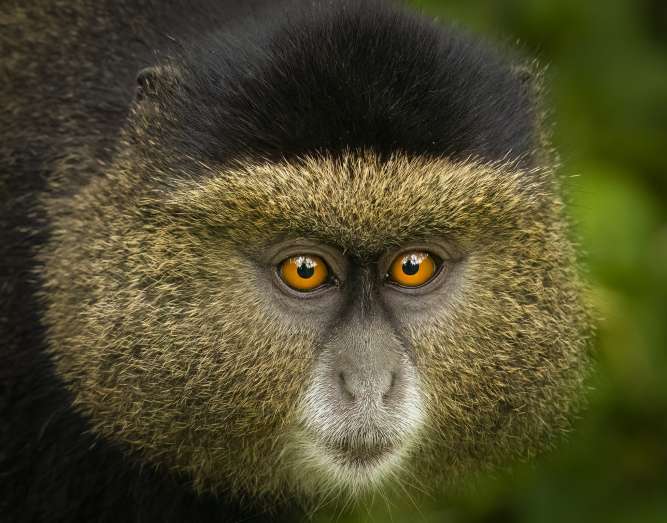
On an African safari, baboons and monkeys are among the most frequently seen animals. They’re also some of the most misunderstood. Many travellers use the terms interchangeably, but baboons and monkeys differ significantly in behaviour, habitat, social structure, and how they fit into the safari experience.
Baboons are monkeys, but they are very different from the monkeys most safari travellers picture. Larger, stronger and mostly ground-dwelling, baboons behave very differently from the smaller, tree-dwelling monkeys seen on African safaris.
This guide explains the key differences between baboons and monkeys, which species you’ll see on safari, where to see them behaving naturally, and why baboons deserve a second look.
Yes, baboons are monkeys. Baboons are a type of Old World monkey found in Africa and Arabia. Compared with most monkeys, baboons are larger, spend more time on the ground, and have long, dog-like snouts.
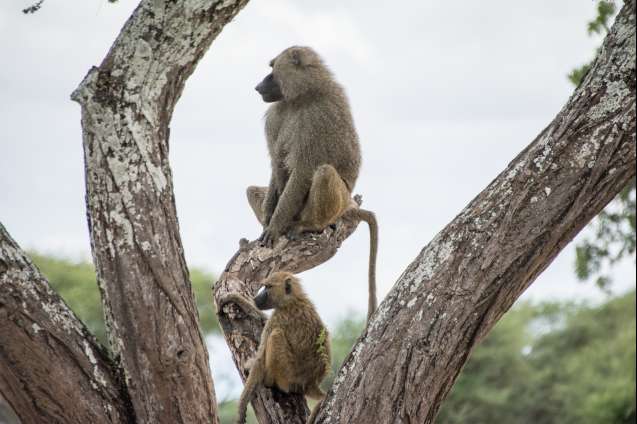
At a biological level, baboons are monkeys. Specifically, they belong to the Old World monkey family. On safari, however, the distinction is useful because baboons are larger, more ground-dwelling, and much more obvious than most other monkeys.
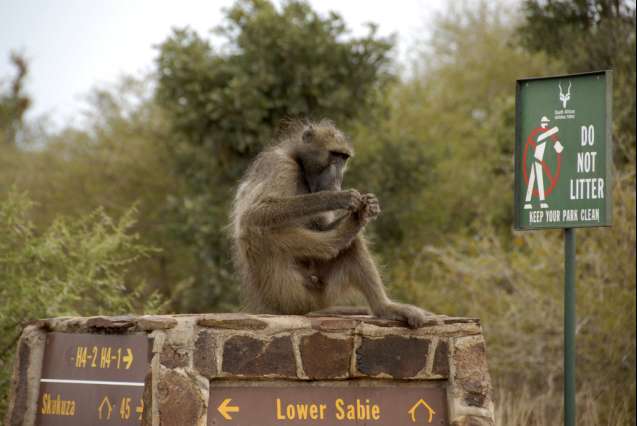
On safari, baboons dominate space and attention, while monkeys move quietly through the canopy or along river edges.
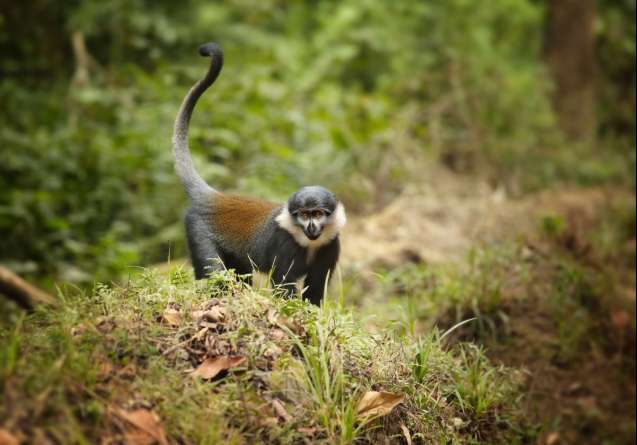
Are baboons monkeys? Yes. Baboons are a type of Old World monkey, but they are larger, more ground-dwelling, and more aggressive than most other monkeys seen on safari.
| Feature | Baboons | Monkeys (Non-Baboon Species) |
|---|---|---|
| Scientific grouping | Baboons (Papio species), a type of Old World monkey | Other Old World monkey species, such as vervets and colobus |
| Typical size | Large and muscular | Small to medium-sized |
| Primary habitat | Savanna, woodland, semi-desert, open landscapes | Forests, riverine woodland, dense vegetation |
| Lifestyle | Mostly ground-dwelling (terrestrial) | Mostly tree-dwelling (arboreal) |
| Facial structure | Long, dog-like snouts | Shorter, flatter faces |
| Social structure | Large, complex troops with strict hierarchies | Smaller groups, often less rigid hierarchy |
| Behaviour on safari | Bold, assertive, highly visible | Agile, cautious, often seen briefly |
| Intelligence | Extremely high, problem-solving and strategic | High, but generally less confrontational |
| Interaction with humans | Opportunistic feeders near camps | Curious but less dominant |
| Common safari species | Chacma, Olive, Yellow, (& Gelada) | Vervet, Colobus, Golden, Red Colobus |
| Best safari settings | Open savanna parks and waterhole systems | Forest reserves and river corridors |
| Ease of spotting | Very easy on most classic safaris | Depends heavily on habitat and destination |
| Conservation sensitivity | Highly adaptable, resilient | Many species are habitat-sensitive or endangered |
__medium.jpg)
Africa is home to several baboon species, each linked to specific regions and safari circuits. Seeing them in the right context makes a huge difference to how they’re perceived.
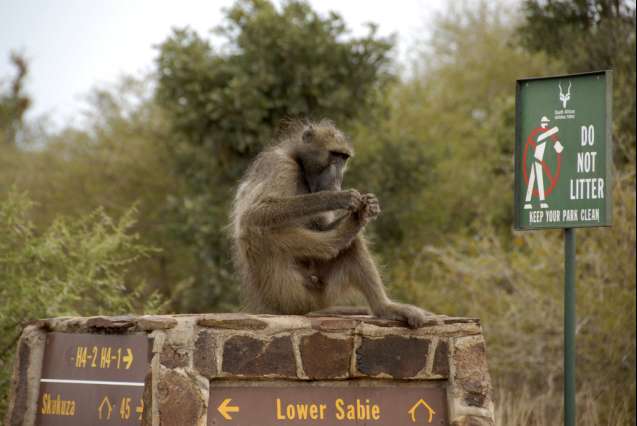
The chacma baboon is southern Africa’s largest and most imposing primate. Highly intelligent and deeply social, they live in structured troops and play an important role in seed dispersal and predator detection.
Best place to see them on safari:
Kruger National Park and Etosha National Park, where large troops of between 50 and 100 members move naturally between open plains and waterholes.
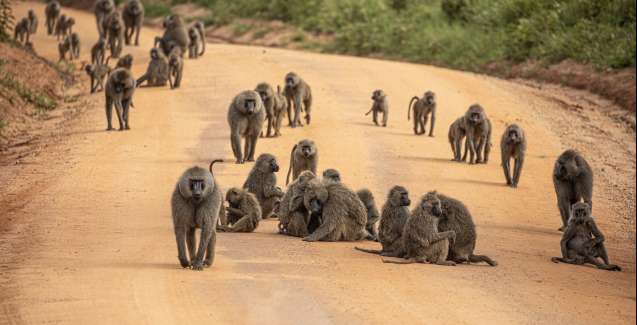
One of Africa’s most widespread primates, olive baboons thrive across savanna, woodland, and forest edges. They are vocal, confident, and often observed interacting closely with other wildlife.
Best place to see them:
Serengeti National Park or Masai Mara, where predator pressure keeps behaviour natural and cohesive.
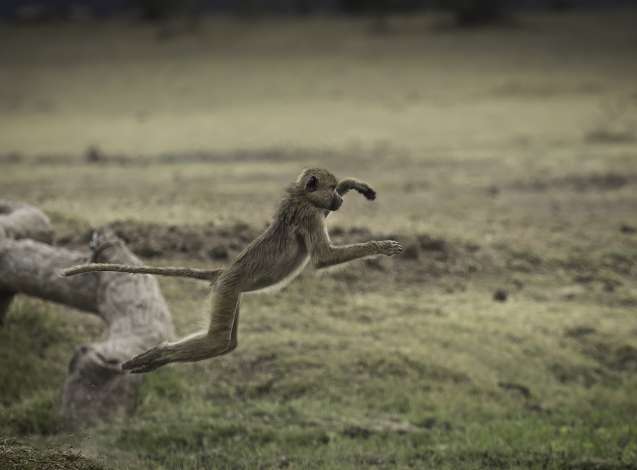
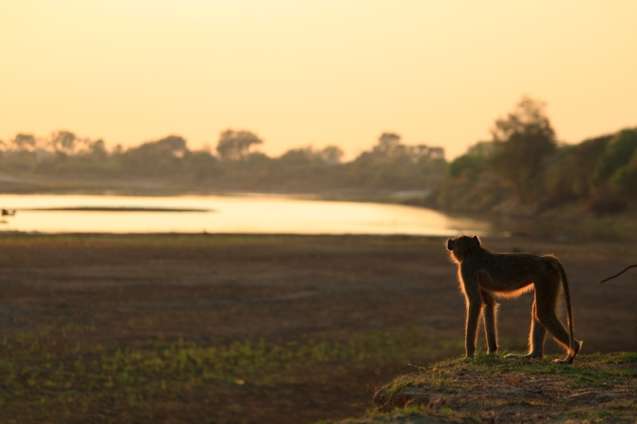
More lightly built than other baboons, yellow baboons favour riverine woodland and open savanna. They are agile foragers, often seen moving along watercourses in large troops.
Best place to see them:
The Luangwa Valley is one of the best places to see Yellow Baboons on safari, particularly near rivers, along seasonal drainage lines, and in woodland.
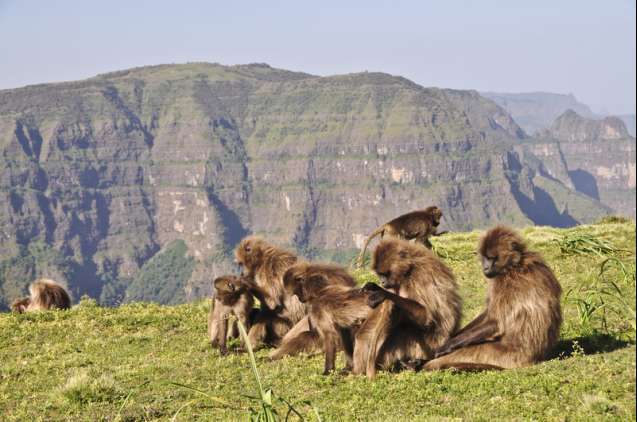
Often called a baboon but technically a distinct primate species, geladas are grass-eating specialists found only in Ethiopia’s highlands. Their cliff-side troops and red chest patches make them one of Africa’s most striking primates.
Best place to see them:
Simien Mountains National Park or Bale Mountains National Park, where they live almost entirely undisturbed.
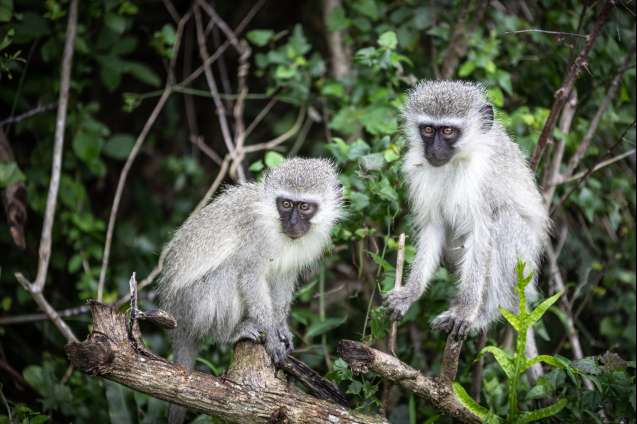
Africa’s monkeys are more diverse than baboons, but safari sightings tend to cluster around a few common species, depending on habitat.
The most frequently seen monkey on safari, vervets are adaptable, curious, and often found near rivers, as water is vital to their survival. Their familiarity with people sometimes leads to mischief, but in the wild, they are alert and cooperative group animals.
Best place to see them:
Chobe National Park along the riverbanks and Hluhluwe Imfolozi.
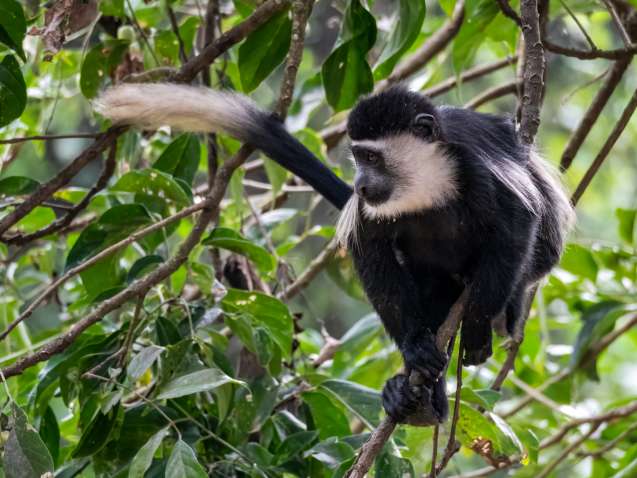
Instantly recognisable by their bold coats and long tails, colobus monkeys are leaf specialists that rarely descend from the canopy. They move with remarkable ease through forest crowns.
Best place to see them:
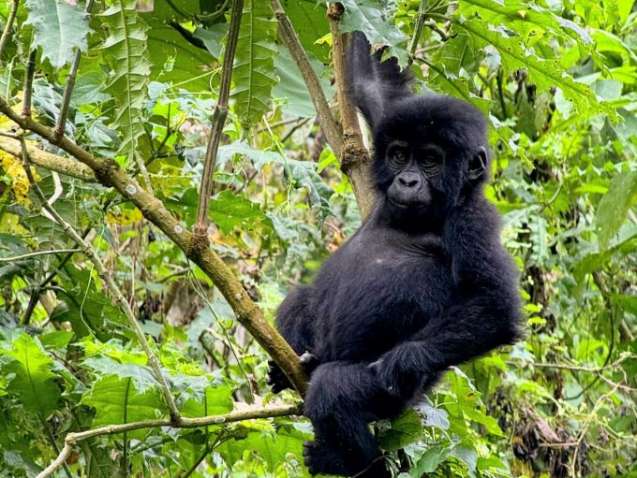
Bwindi Impenetrable Forest, often alongside chimpanzee tracking routes.
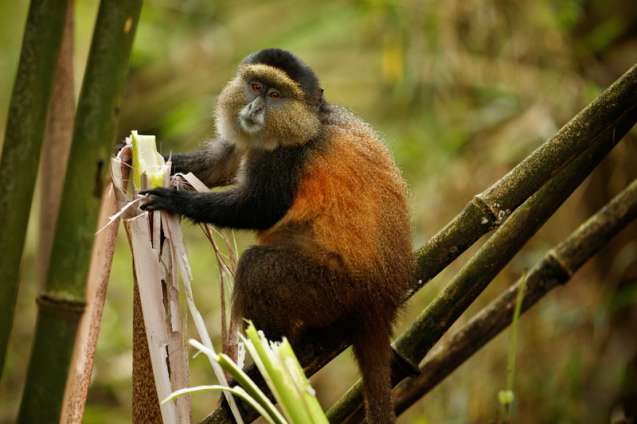
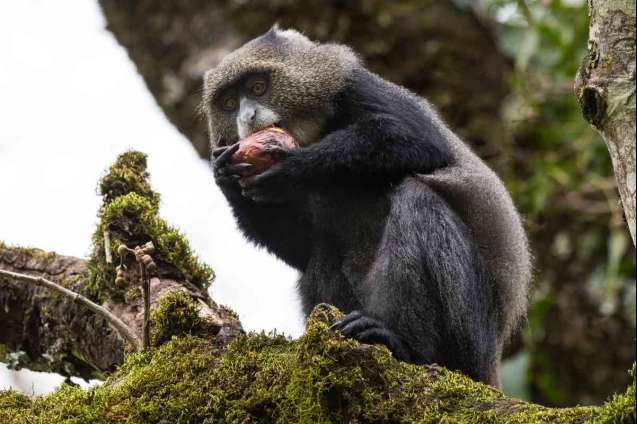
Golden monkeys are colourful, energetic primates restricted to the high-altitude forests of the Virunga Mountains. They live in lively troops and are a highlight of primate-focused safaris.
Best place to see Golden Monkeys:
Volcanoes National Park in Rwanda offers dedicated golden monkey tracking excursions.
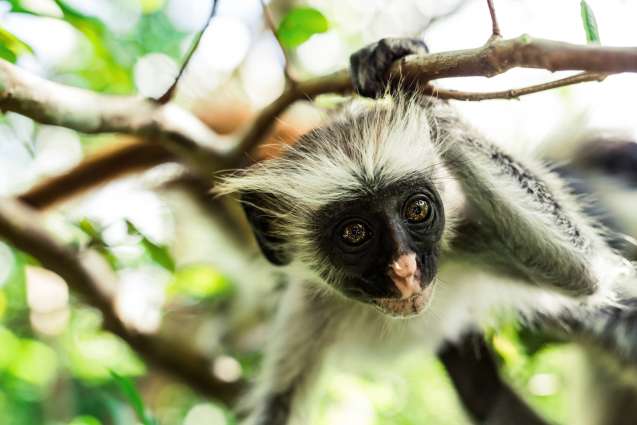
Among Africa’s most endangered primates, red colobus monkeys are known for their expressive faces and complex social behaviour. They are highly sensitive to habitat disturbance.
Best place to see them:
Jozani Chwaka Bay National Park is home to a protected and easily observed population.
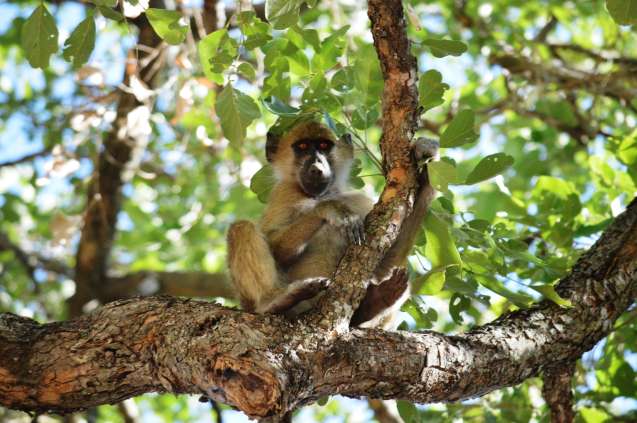
What you see depends largely on where you go and the kind of habitat you encounter:
Baboons are part of the classic safari backdrop. Forest monkeys require more intentional destination planning. Want to choose a safari where wildlife behaviour feels natural, not camp-conditioned? We help match destinations and travel styles to the kind of wildlife experience you want.
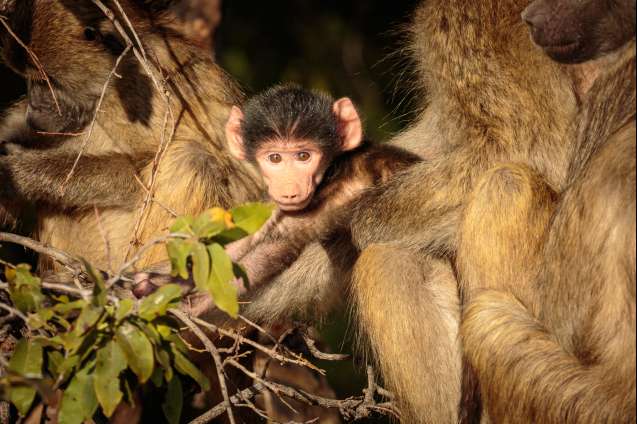
Baboons and monkeys reveal their true behaviour where human interaction is minimal.
The further you are from picnic sites and camps, the more natural the behaviour. Joining a primate tracking safari in Uganda or Rwanda that includes gorillas and chimpanzees is one of the most popular East African safaris.
Not all parks offer the same primate experience. Predator presence, habitat, and safari style matter. Speak to an African Budget Safaris specialist to plan a safari where primates behave naturally.
Yes. Baboons are a specific group within the Old World monkeys.
Neither is dangerous if respected, but baboons are stronger and more assertive than most monkeys.
Food. Because they are intelligent and opportunistic, they raid camps looking for unattended safari supplies or overflowing bins. Always secure your food, don’t leave it unattended, and dispose of your waste carefully.
Almost certainly, especially vervet monkeys in Kruger National Park.
Open savanna parks such as Kruger, Serengeti, Etosha, South Luangwa, and Chobe.
Understanding the difference between baboons and monkeys turns common sightings into meaningful safari moments. Baboons, in particular, reward patience and observation, offering delightful insight into intelligence, social structure, and survival in Africa’s wild landscapes.
Planning a safari where primates are part of the experience, not just background noise?
African Budget Safaris helps you choose destinations where wildlife behaviour stays wild, whether that’s open savanna safaris, forest primate tracking, or classic Big Five routes with rich day-to-day sightings.
Contact one of our experienced consultants and let African Budget Safaris help you choose the right destination, season, and safari style to see them at their best.

Explore these destinations mentioned in this post.
Below you'll find further reading and articles related or similar to this post.




Call us toll free from US/Canada on 1-888-414-6513, or from the UK on 0-808-189-1052. All other countries can contact us on +27 21 791 0878.
© 2026 African Budget Safaris | Privacy | Terms | Cookie Policy | Consent Preferences

__thumb.jpg)

_(1)__thumb.jpg)






__medium.jpg)