
See where to go on safari in Africa and when to visit with our top tips from African Budget Safaris’ owner and founder, Terry Murphy.
Terry spent his childhood growing up on the coast of South Africa, in the open desert of Namibia, and the deep bush of Botswana. He first heard the call of the wild in the vocational sense whilst working as a game ranger in Botswana's Charter Reserve in the Tuli Block.

Back in Cape Town, he entered the inbound travel trade and ended up as a manager at a local adventure specialist, Aardvark Travel. This became the launch pad from which African Budget Safaris sprang in 2007.
He’s done plenty of work in the African bush and has been travelling himself, and he has now been in the business for over 15 years. We caught up with him to ask him some questions.
There are a few things that have happened over the last year that travellers will need to be aware of. I will tackle this per country.

The pricing of safaris to Tanzania has increased significantly. This is mainly due to the addition of 18% VAT on tourism-related services, implemented by the Government in 2016. Increased fees in 2016 for visits to the Ngorongoro Crater Conservancy – one of Tanzania’s major tourist attractions – have also driven prices up.
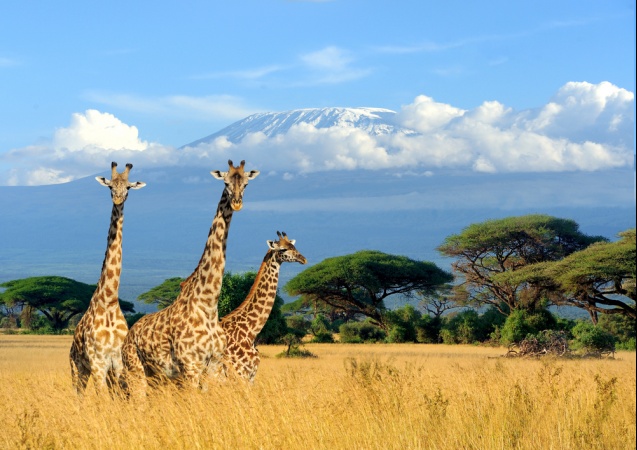
There were some concerns for tourist safety during the Kenyan elections in August 2017. The elections have now come and gone, and there has been no unrest in the areas tourists visit. Kenya is good to go. And spectacularly beautiful!
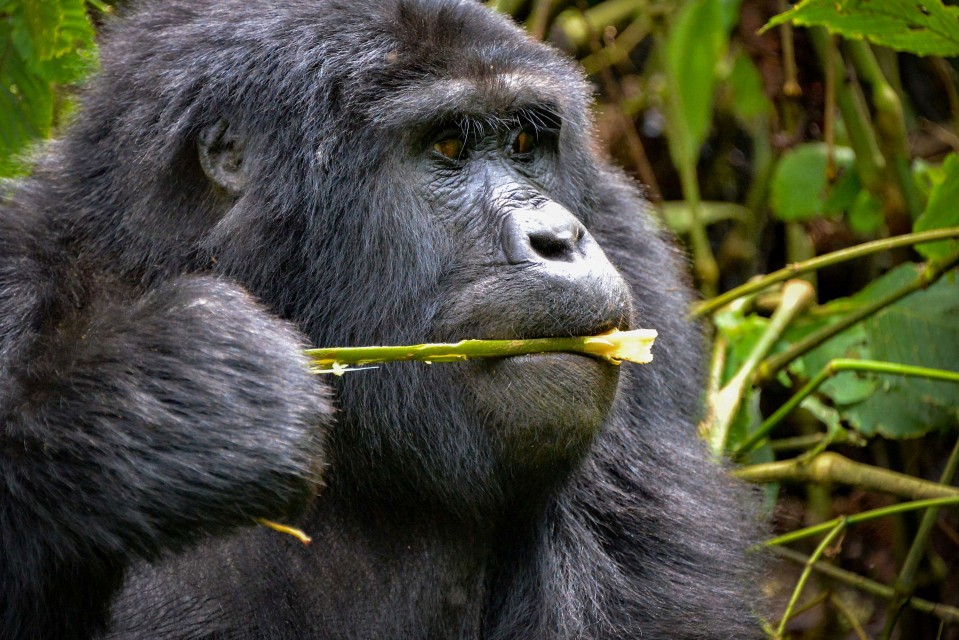
Yes. Rwanda increased its gorilla trekking permits from USD 750 to USD 1,500 in May 2017. This makes it very expensive to go gorilla trekking there.
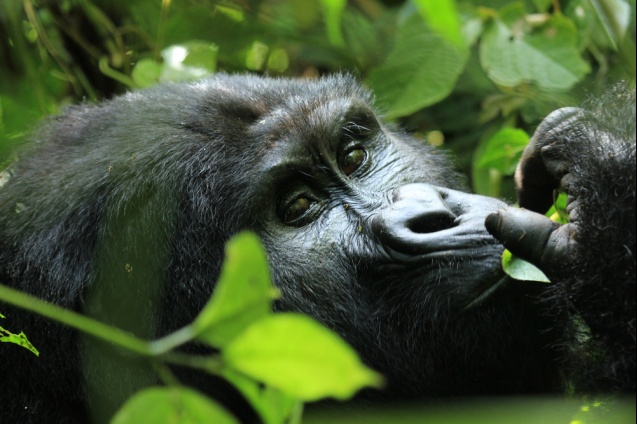
In Uganda gorilla trekking permits remain at USD600, making it a much more appealing trek destination for travellers on a budget.
It is now possible for single travellers to join existing group tours in all countries we operate in.
__medium.jpg)
For most safari options, travellers can pay a single supplement for their own tent or accommodation. Alternatively, if two singles would like to share (same gender), they can share a tent or accommodation. On a few of our tours, travellers will be paired up. Ask one of our knowledgeable travel consultants to guide you in the direction of whichever you prefer.
Regulations imposed on minors travelling to South Africa were tightened in June 2015, followed by Botswana in October 2016. It is vital to have the right paperwork before you try to board a flight. Without it, you’ll be turned away, usually with no refund!
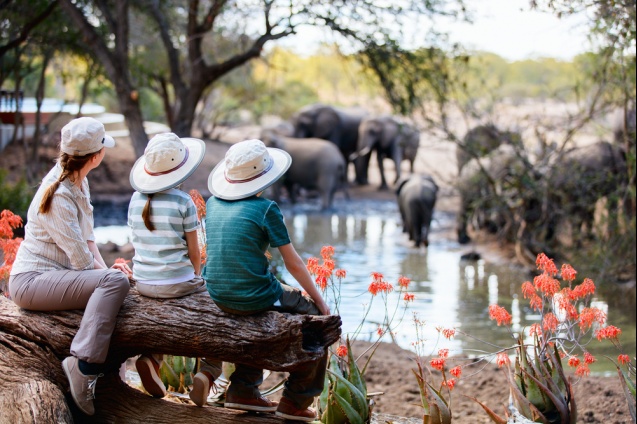
What you need if travelling with minors (under 18 years old) into South Africa or Botswana:
If the children are accompanied by both biological parents, they must travel with the following for each child:
If only one of the parents listed on the birth certificate is travelling with the child, they also need:
For more information, see the South African Department of Home Affairs statement and the Botswana Embassy statement.
Our advice: contact the local embassy way in advance of your trip so that you know exactly what you need. Being turned away at the airport before you even start your trip is no fun!
The South African Department of Home Affairs declared that, as of January 2017, all travellers from New Zealand require a visa for entry into South Africa.
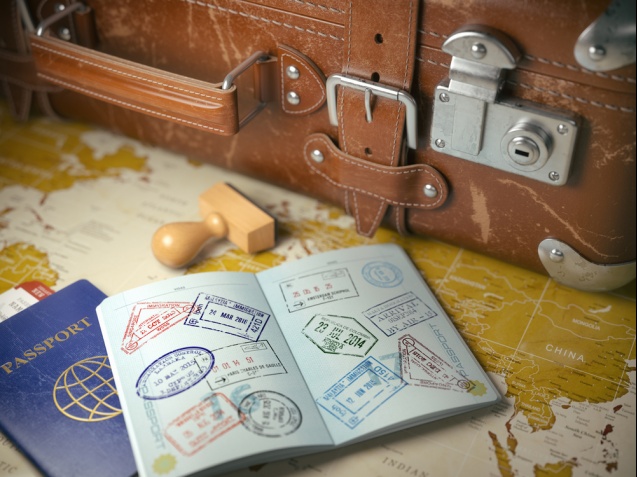
We advise all of our travellers to check with their local embassy on visa requirements for each country (and those you may be stopping at, in transit) before travelling. It’s important to check your itinerary to determine whether you need a multiple-entry visa or not.
Yes. While we do offer some ‘family-friendly’ tours, safaris can be tricky with young children. Read all the ins and outs on our blog, ‘Kids on Safari: Yes or No?’

From an adult perspective, we now offer certain overland camping tours with an age restriction of 18-39 years. We also have scheduled tours that are for 40+ travellers. The idea behind both is that people can choose to travel with others within their own age bracket, which, we’ve found, makes for great cohesion on tours. With some of the overland tours for instance, the group dynamic may lend itself to a more, shall we say, festive vibe, and often the more mature traveller is not really looking for that type of thing.
If you want to go on safari during peak season (July to September), no, this is a very unwise move. Safaris during the peak season get booked up quickly. The days of waiting for last-minute specials in the high season before travelling are sadly gone, and if you really want to go on safari, you need to book early as our tours fill up quickly.
During the low season, there are occasionally good deals, last-minute, but your dates need to be flexible. If it’s low season and your backpack is ready, check out our Specials/Last-minute page. Busy times include:
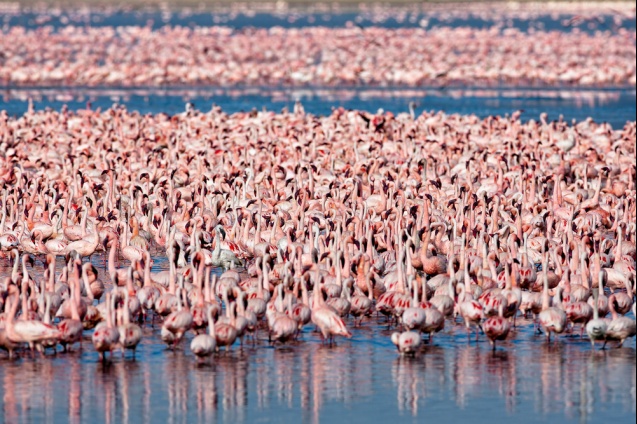
July to September is the peak season in all countries. Travellers wanting to travel during this period should book between January and April at the latest to avoid disappointment.
For an overview on when to visit, watch When to Go on Safari: Best Seasons & Migration Guide on YouTube.
During the South African school holidays at Easter (28 March to 10 April 2018) and Christmas/New Year (12 December 2018 to mid-January 2019), it is next to impossible to get travellers on tours, especially in Kruger National Park. Book well in advance if you’re looking at those dates!

Cape Town is buzzing in the summer break (mid-December to mid-January), and people book accommodation up to a year or more in advance. If you want to join in on the summer vibe for next year, book soon!
Tourism numbers are up by 40%, so booking well in advance is vital. Added to this influx of visitors, Namibia’s infrastructure has not kept up, meaning that in certain places, there is just not enough accommodation! Staying inside Etosha, for example, is problematic. Many companies have to stay outside and do day tours into the park, due to the limited accommodation availability.

Road infrastructure has been affected too, making detours par for the course, so travellers may need to be flexible in terms of their itineraries.
In early June 2017, massive fires wreaked havoc across the southern Cape, the firestorm stretching from George all the way to Humansdorp. Seven people died, huge tracts of forest burned, and in Knysna alone, 846 houses were destroyed.
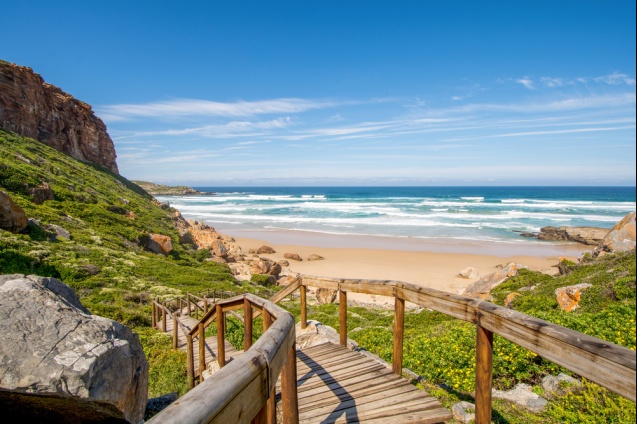
South Africans are resilient, though, and the rebuilding is well on its way. The Garden Route is picking itself up and rising from the ashes, all Phoenix-like, and most activities have dusted themselves off and are up and running again. See our blog on our pick of the activities offered along this spectacular coastline to get an idea of what to expect.


Explore these destinations mentioned in this post.
Below you'll find further reading and articles related or similar to this post.




Call us toll free from US/Canada on 1-888-414-6513, or from the UK on 0-808-189-1052. All other countries can contact us on +27 21 791 0878.
© 2026 African Budget Safaris | Privacy | Terms | Cookie Policy | Consent Preferences






__medium.jpg)