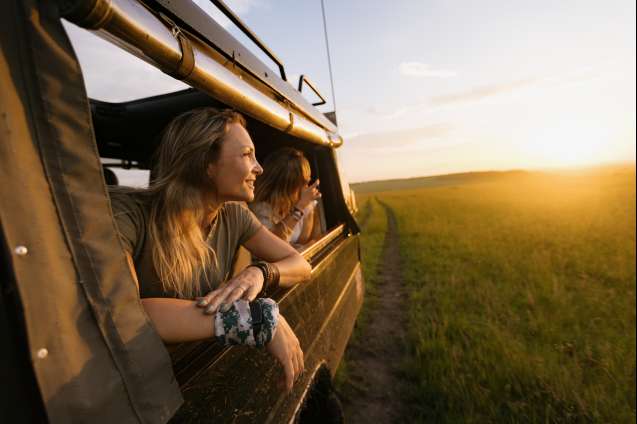
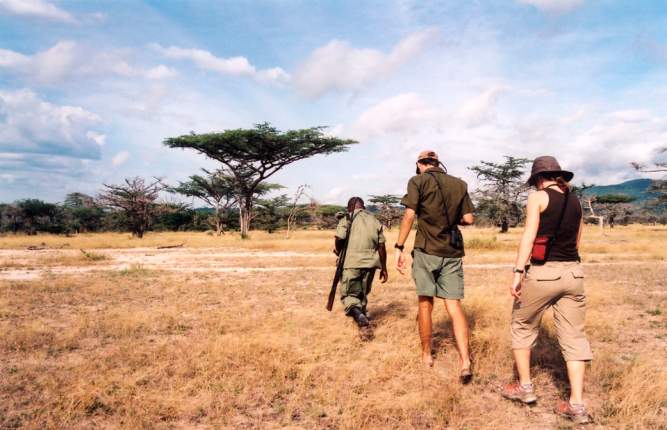
If you've fallen in love with East Africa and are returning for a second safari or want a more in-depth trip covering some off-the-beaten-track destinations, you've come to the right place. We're here to help you decide where to go on your second East African safari.
If planning your first East Africa safari, check out East Africa: A Bucket List and our comprehensive guide to The Great Wildebeest Migration.
Tanzania and Kenya are neck and neck for first place as the ultimate safari country in East Africa, if not Africa. Most travellers visit Masai Mara in Kenya or Serengeti in Tanzania (East Africa's top safari destinations) to witness the great migration on their first African safari.
If you're planning a second-time safari in East Africa (or a more in-depth, off-the-beaten-track trip), keep reading.
To experience the best of East Africa on your second safari combine gorilla trekking in Rwanda and/or Uganda with wildlife viewing and some beach time in either Tanzania or Kenya, or both. For a totally different travel experience, usually with a more cultural emphasis, Ethiopia is the place to go.
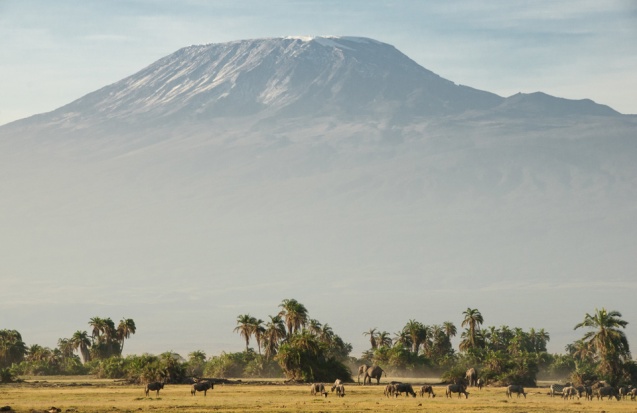
Masai Mara National Reserve and Amboseli National Park are Kenya's top tourist attractions, so most people visit them on their first Kenyan safari. If you didn't make it to Amboseli on your first safari, this Kenyan park should feature on your itinerary the second time. It is famous for its beautiful scenery (with Kilimanjaro in the background) and sizeable elephant populations, being one of the best places in Africa to see elephants in the wild.
There is, however, so much more to Kenya than Masai Mara and Amboseli. The country has some excellent beaches and plenty of other incredible safari destinations where you can be mesmerised by Africa's wildness and wildlife. Here are a few unforgettable places to see on your second visit to Kenya:
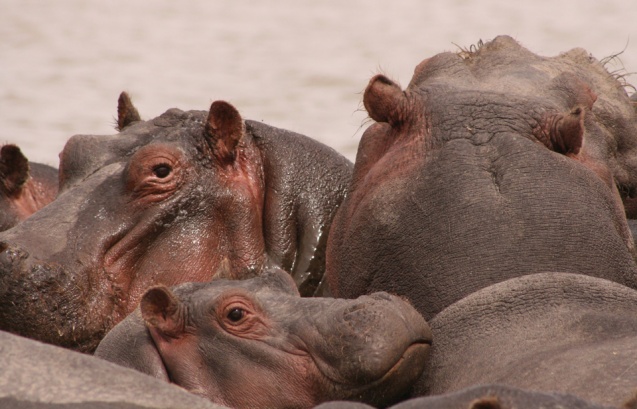
Lake Naivasha is a scenic destination offering excellent boat-based game viewing. Take a boat trip here to view hippos and other animals as well as plenty of birds. At some of the lakeshore lodges, you'll see giraffes, monkeys, waterbucks, and hippos on the grounds. You can also take boat trips to Cresent Island for guided walking safaris, which bring you up close to the birds and wildlife in this private game reserve.
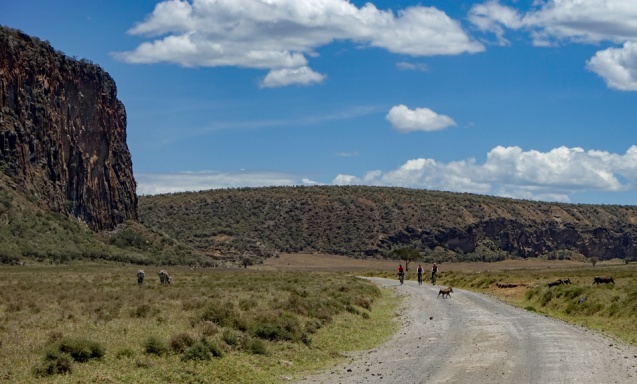
Near Lake Naivasha, you'll find Hell's Gate National Park, where you can enjoy the novelty of exploring on foot or by bicycle. The park hosts plenty of game, including buffalos, zebras, baboons, eland and other antelopes, and over 100 bird species, but no large predators. The park features diverse terrains and impressive geological features.
It is one of the best places in Kenya to see rhinos and Rothschild's giraffes, two of Africa's most endangered animals.
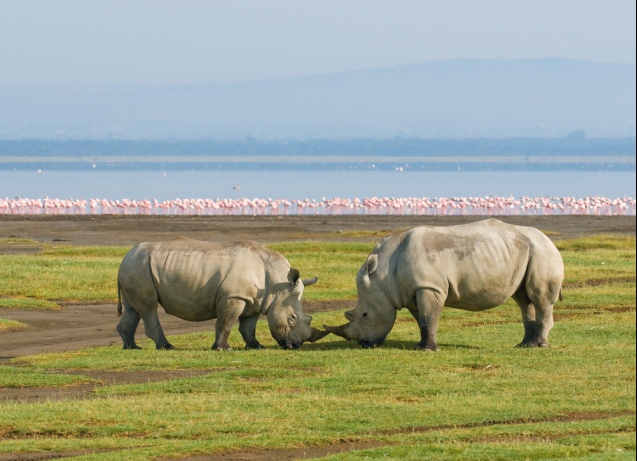
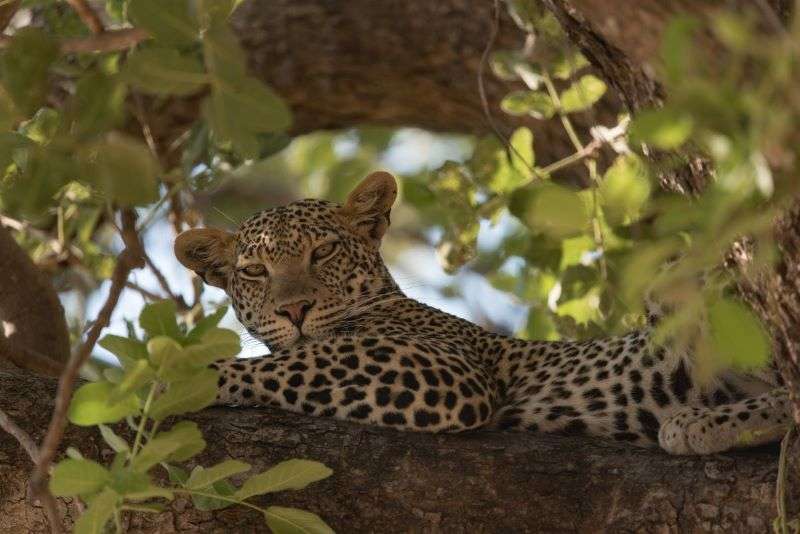
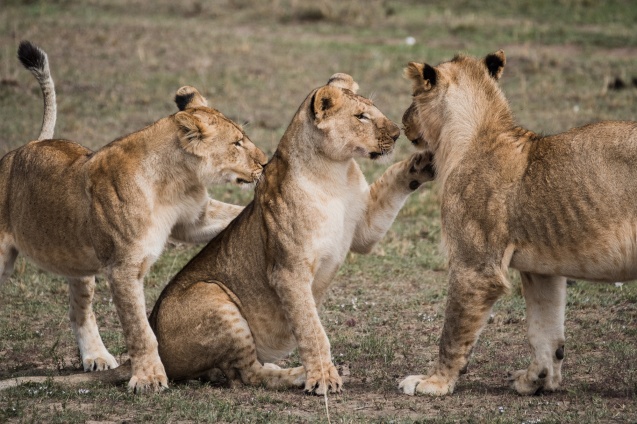
In addition to black and white rhinos and Rothschild's giraffes, Lake Nakuru is home to healthy concentrations of various wild animals. Four of the Big Five are found in this relatively compact park: lion, leopard, buffalo, and rhino. Lake Nakuru Park is renowned for its tree-climbing lions, which you may be lucky enough to spot.
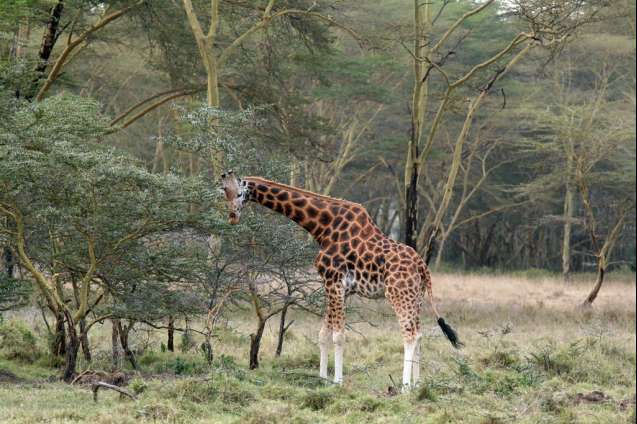
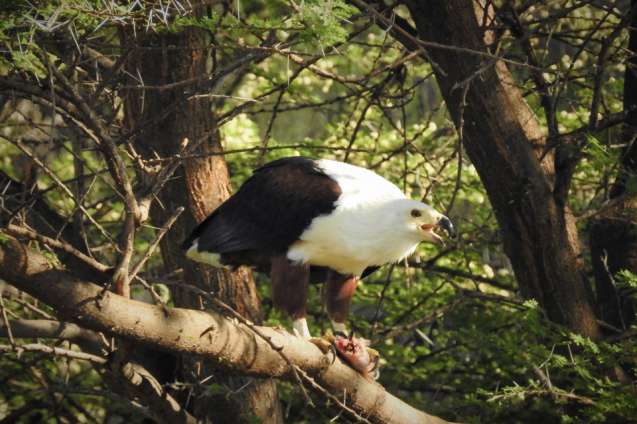
Established as a bird sanctuary, Lake Nakuru Park is also known for its outstanding bird watching.
A birder's paradise, Lake Baringo is one of Kenya's finest birdwatching destinations. This freshwater lake even holds the world record for the most birds (342 species) recorded over 24 hours. About 480 bird species have been recorded at Lake Baringo, which is a particularly great place to watch water birds. Boat trips on the lake provide a close-up look at hippos and crocodiles and monitor lizards along its shores. Wildlife around the lake includes zebra, greater kudu, and various antelope species.
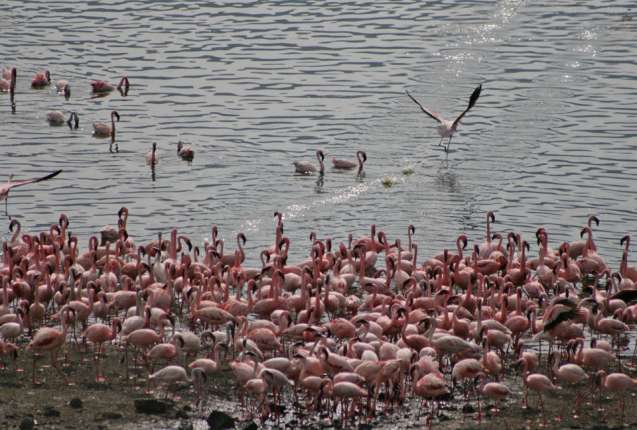
This Ramsar Site is the place to see giant flocks of pink flamingoes. One of the largest populations of flamingoes (up to two million) in the world gathers at alkaline Lake Bogoria over certain periods. This sea of pink flamingoes is quite something to behold.
You can soak in Lake Bogoria's natural hot springs and geysers or explore the area on foot or by bicycle.
Also called the Jade Sea, this turquoise-hued lake lies in the parched Chalbi Desert. The northernmost Great Rift Valley Lake in Kenya, Lake Turkana, is both the largest desert lake and the largest alkaline lake in the world. It covers about 7,000 km², making it the largest of Kenya's Great Rift Valley Lakes.
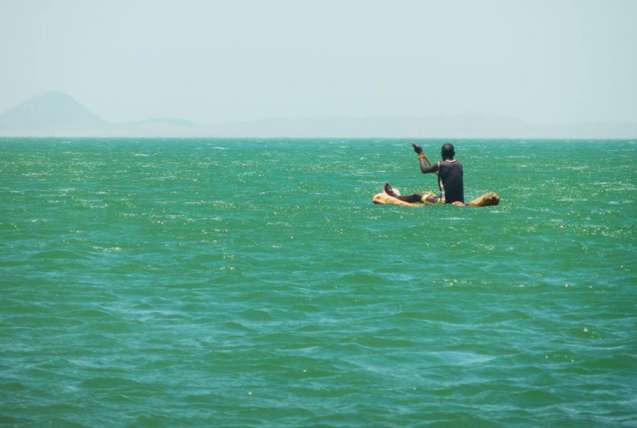
There are three national parks at the lake, which together form the Lake Turkana National Park, a UNESCO World Heritage Site since 1997. The national parks serve as breeding grounds for crocodiles and hippos, hosting huge hippo pods and one of the world's largest populations of Nile crocodiles. Lake Turkana is also an important stop for migratory birds and the site of unique fossil deposits. The other-worldly scenery and remoteness of Lake Turkana make for a fascinating visit, along with the tribal local cultures.
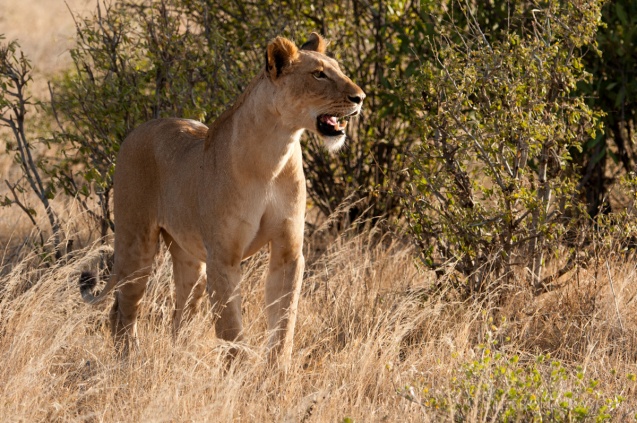
Samburu National Reserve is another top hotspot for seeing elephants in Africa. Unlike Amboseli, however, it is a remote and rugged game reserve. In this less-visited national park, you'll encounter fewer other visitors and safari vehicles and experience a more exclusive safari. This out-of-the-way destination hosts the Big Five of Africa (lion, leopard, rhino, elephant, and buffalo) across diverse habitats.
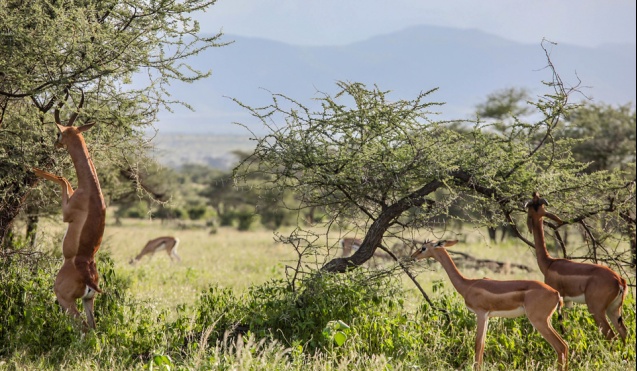
The Ewaso Ng'iro (or Nyiro) River winds through Samburu, supporting a surprising range of animals. This arid part of northern Kenya is home to several rare and unusual species, including Grevy’s zebras, gerenuk antelopes, Somali ostriches, Somali giraffes, and East African oryx.
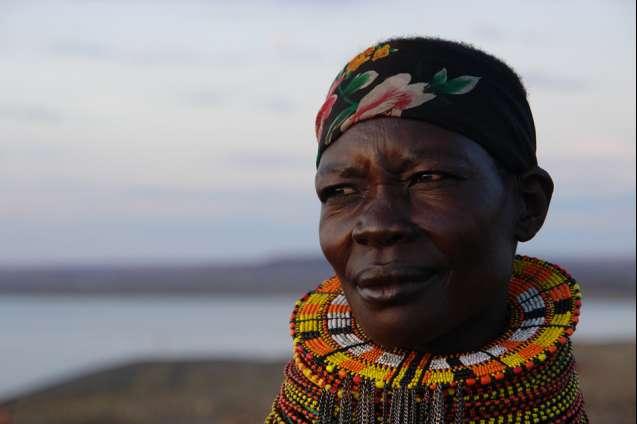
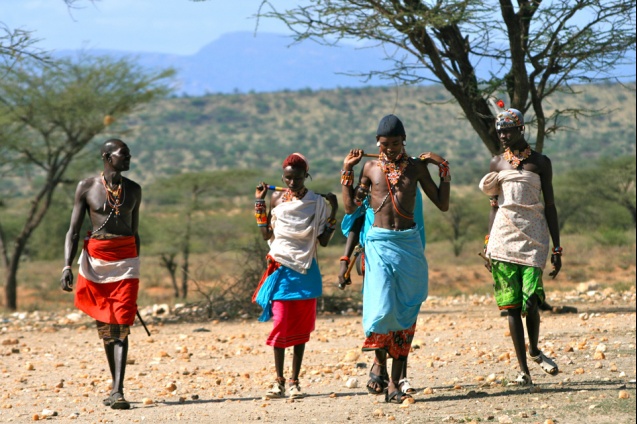
One of the highlights of visiting Samburu is encountering the traditional Samburu people. The Samburu have a reputation for being open and friendly towards visitors, and although they are a clan of the famous Maasai, they have their own unique culture.
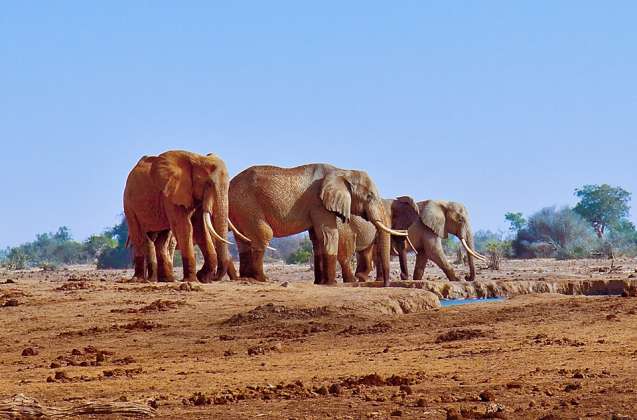
One of Kenya's biggest and oldest protected areas, Tsavo consists of Tsavo East and West, which together cover about 22,000km² of wilderness. Tsavo is best known for the red dust-coated elephants and the notorious man-eating lions of the late 1800s.
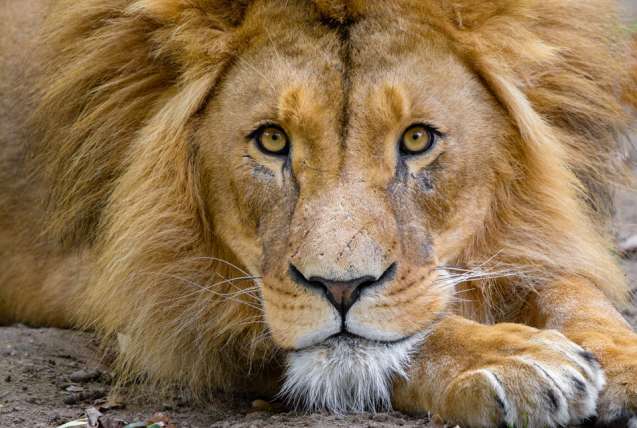
For viewing big game, the less arid Tsavo West Park is slightly better, but Tsavo East is where you'll see famous elephants coated in red dust. Both parks host large numbers of wildlife, but because of their sheer size, population densities are relatively low. The main appeal of the Tsavo Parks is their unspoilt wilderness and the absence of crowds, making them ideal for more adventurous and experienced safari-goers.
Due to its proximity to Mombasa and Amboseli National Park, Tsavo is well-suited to these two Kenyan destinations. See our Tsavo Guide for more about Tsavo East and West and the differences between the two parks.
Many of Kenya's famous national parks share unfenced borders with private conservancies which offer exceptional safari experiences. The independent concessions are owned privately or by local communities. Similar to the private game reserves of Greater Kruger in South Africa, Kenya's private concessions offer several advantages over Kenya's neighbouring state-owned parks. Benefits of the privately owned reserves include night game drives, walking safaris, open 4x4 vehicle game drives and more exclusivity (fewer safari vehicles and more intimate camps).
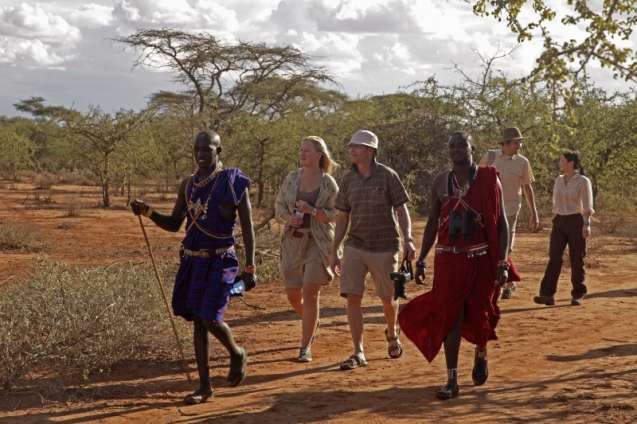
See Kenya’s Private Concessions: Safari Paradise for more about the conservancies of Kenya.
Kenya's most popular beach is Diani Beach which lies just south of Mombasa. The beautiful Diani Beach boasts powdery white sands, tropical waters and island-style palms.
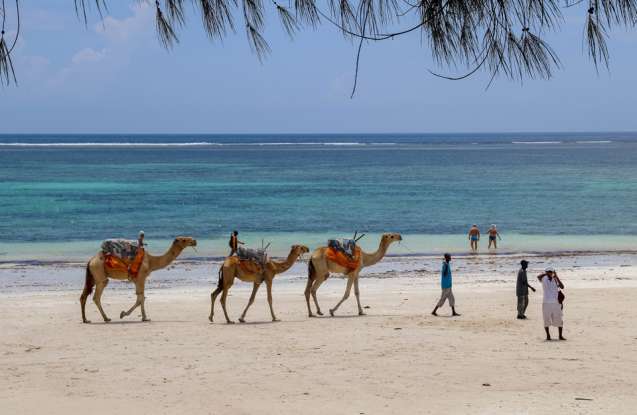
Under two hours north of Mombasa lie the sandy beaches of Watamu and Malindi. Here you'll find clear waters and offshore coral reefs ideal for snorkelling and diving, as well as beach bars, restaurants and plenty of accommodation, especially in Malindi. Watamu is the quieter of the two and features the beautiful beaches of Turtle Bay.
Then there's Nyali in Mombasa which is a great beach for surfing, swimming and general beaching. For snorkelling, the next beach along the coast, Tiwi, is better and less frequented. Gazi Beach is another great place to escape the crowds and lap up the tropical beach experience, south of Diani.
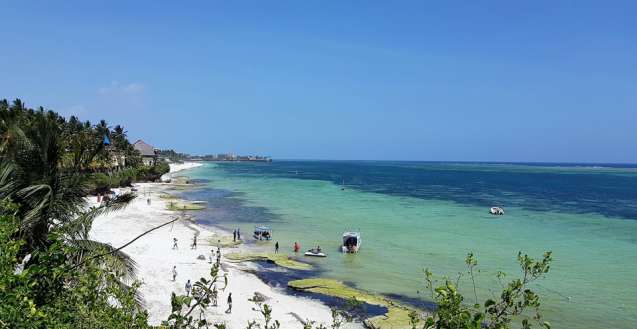
Laid-back Lamu Island adds cultural intrigue to beach bliss with its Arabic-Swahili flavours. The island is laden with luxury beach resorts and white sand beaches, lying just off the coast of Kenya, north of Mombasa.
At the top of the safari hit list in Tanzania: Serengeti Park and Ngorongoro Crater Conservation Area on the northern safari circuit. Also, Tanzania's top travel destination for beach holidays is, of course, the dazzling Zanzibar Island.
Here's what lies beyond Tanzania's top three travel destinations.
For second-time safaris, southern Tanzania is a must. The southern parks of Tanzania are far less-visited than the famous northern parks. The result: a less-crowded and more intimate safari experience. Southern Tanzania's Safari Circuit features some of Africa's largest and wildest game reserves. These remote and rugged parks are ideal for genuine wilderness adventures.
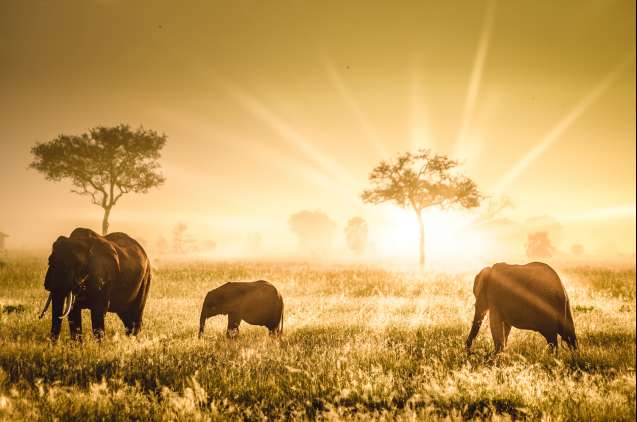
Nyerere (Selous) Game Reserve and Ruaha National Park are the two most sought-after destinations on Tanzania's southern safari circuit.
Nyerere is the largest game reserve in Africa, a vast unspoilt wilderness area of raw beauty. Nyerere is home to hippos, African wild dogs, wildebeest, lions, leopards and a plethora of plains game. The protected area is known for its wild camping (fly-camping), walking safaris and boat-based game viewing along the Rufiji River.
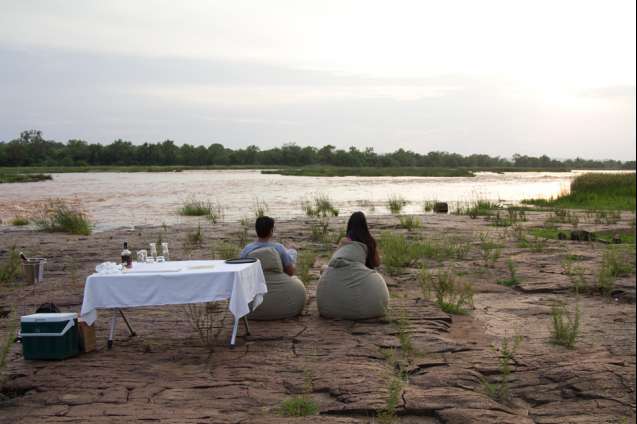
The remote Ruaha National Park is renowned for its large elephant population and the exceptionally high number of predators. Lions are especially abundant in Ruaha, which is said to host the second-largest lion population on the planet. This is also a stronghold for endangered African wild dogs, as well as hosting globally significant cheetah populations and numerous leopards. In addition to the massive elephant herds, Ruaha is also home to large herds of buffalos.
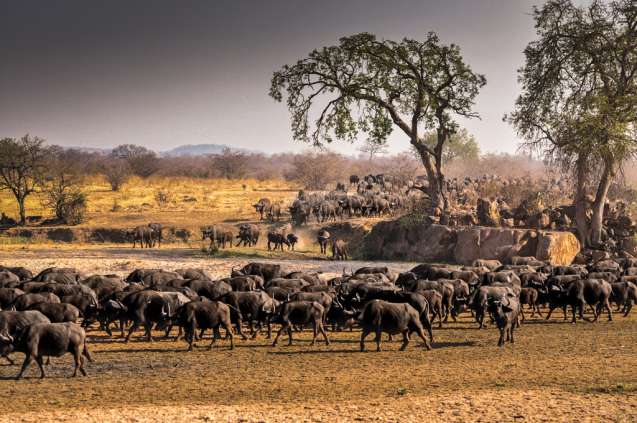
Tanzania's largest national park, Ruaha is a truly wild and unspoilt wilderness area - a real bush getaway without the crowds.
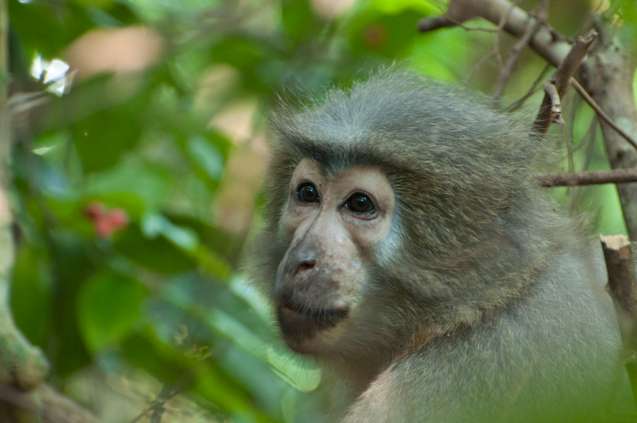
A lush mountainous park, brimming with diverse plants, animals and birds, many of them endemic and rare. Udzungwas is noted for its exceptional biodiversity and variety of primates, two of which (the Iringa red colobus and Sanje crested mangabey) are endemic to the Udzungwa Mountains National Park.
The tallest mountain in Africa nicknamed the "Roof of Africa", Kilimanjaro is a must for hiking and trekking enthusiasts. Climbing Kilimanjaro is not only an incredibly rewarding feat but also an amazingly scenic adventure through changing landscapes and vegetation zones. You'll trek from rainforests to ice fields to reach the highest point of Kili, Uhuru Peak, at 5,895 metres above sea level.
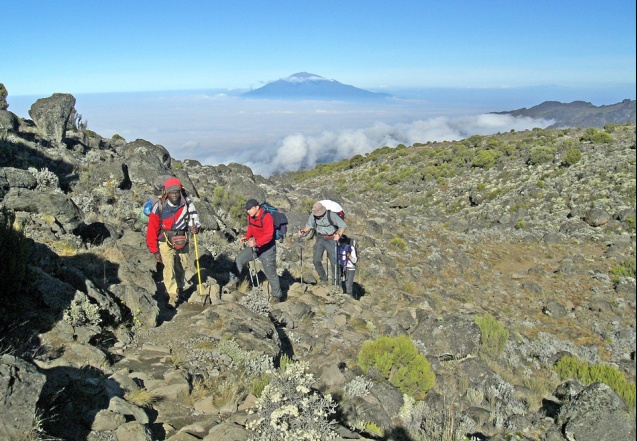
Find out more about Climbing Kilimanjaro or compare guided Kilimanjaro Climbing Tours via the Machame, Lemosho or Marangu Routes.
For a less gruelling climb, Mount Meru is a fantastic option at 4,562 metres. The perks of climbing Mount Meru are that it is less crowded, more affordable and offers spectacular views of Mount Kilimanjaro. Other highlights of climbing Mount Meru are the diverse vegetation zones you'll experience and the regular sightings of big game. The second highest mountain in Tanzania, climbers often hike up Mount Meru in preparation for their climb up Mount Kilimanjaro.
Check out our 6-Day Mount Meru Hike in Tanzania
For beach holidays the top spot goes to Zanzibar Island. Tanzania does, however, boast several other idyllic beach getaways well worth visiting. Starting with Mafia Island, this top Tanzanian beach destination is wilder and far less-visited than Zanzibar. Five lush islands make up the Mafia Archipelago which sports shallow coral reefs protected by a marine park. This is one of the best scuba diving destinations in Tanzania, rich in marine life and an array of corals.
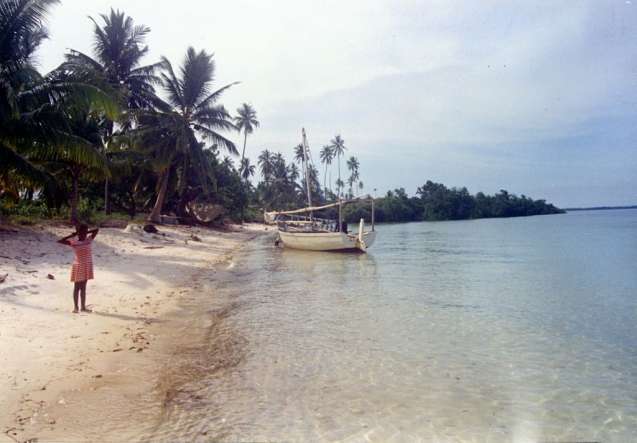
Pemba Island is another off-the-beaten-track beach hideaway forming part of the Zanzibar Archipelago. Located northeast of the main Zanzibar Island (Unguja) the lush island of Pemba is far less crowded. Its pristine coral reefs set the scene for some of the finest scuba diving in Africa, known for high visibility and a rich variety of ocean life. On Pemba, take a dhow to Vumawimbi Beach - the place to get away from it all.
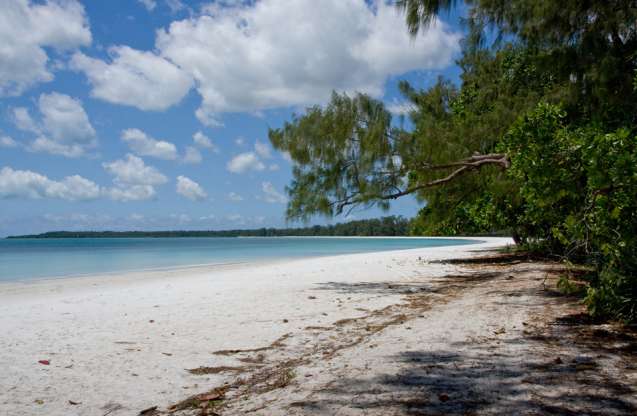
On the mainland, Saadani National Park just north of Dar es Salaam is a great option for the time- and budget-strapped. In Saadani you can spend time on the sandy beaches and go game viewing, with wildlife including elephants, buffalos and lions. Then just north of Saadani Park is Sange Beach a quieter, more out-of-the-way beach stop.
Not sure which is best for your next African safari - Kenya or Tanzania? See Best Safari Country - Kenya vs Tanzania
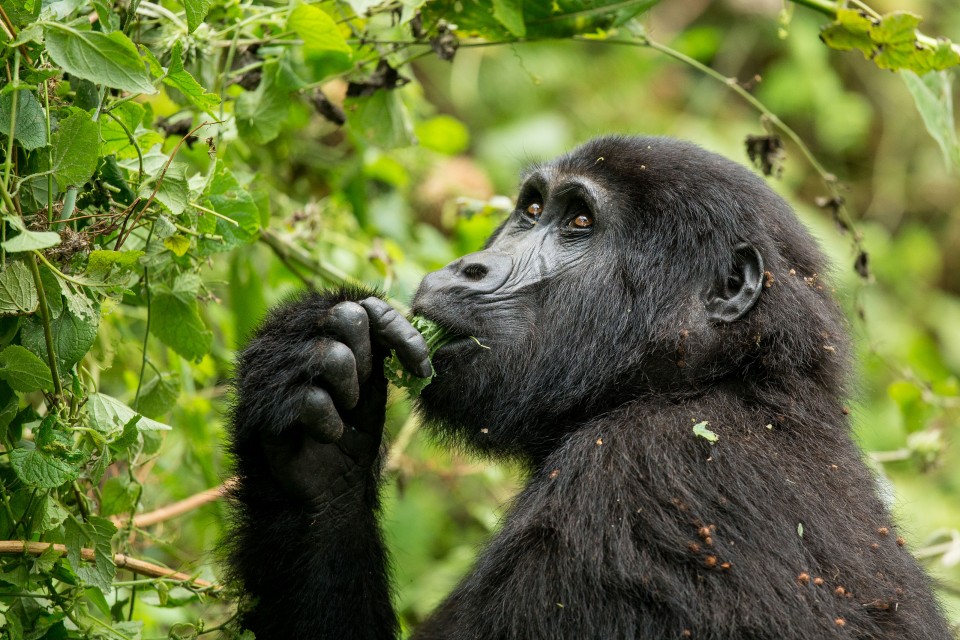
The first place people head to when visiting Uganda is Bwindi Forest National Park. Home to about half of the world's endangered mountain gorillas. If you're travelling to Uganda gorilla trekking in Bwindi is undoubtedly the top activity, a not-to-be-missed wildlife experience. If you are thinking of going mountain gorilla trekking see our Guide to Gorilla Trekking in Africa’s Rainforests.
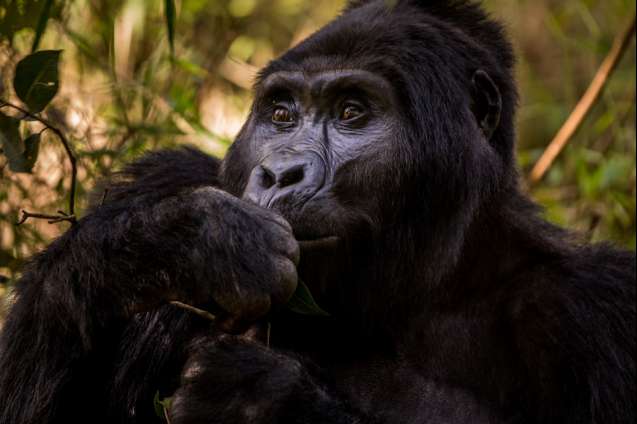
Gorilla trekking in Uganda is the most affordable option, with gorilla permits costing $800 compared to the $1,500 in Rwanda. The Bwindi Impenetrable Forest is also an exceptional place to visit in itself given its high biodiversity and unusual plant, insect, bird and animal species. In Uganda, accommodation tends to be more rustic and wild than in Rwanda where travellers usually stay in the closest town to the Volcanoes National Park.
When it comes to travelling distances, it takes over 12 hours on rough roads to drive from Kampala to Bwindi versus the two-and-a-half hours it takes to drive under 100 km on fairly good roads from Kigali to Volcanoes. You can, however, do a fly-in tour to Bwindi which cuts out the long drives to and from Entebbe/Kampala or drive to Bwindi from Kigali, which is much closer than Kampala, on our 6-Day Uganda & Rwanda Gorilla Trekking Safari also visit Volcanoes.
The upside of gorilla trekking in Uganda is that you can also do a Big Five safari in Queen Elizabeth National Park, go chimpanzee tracking in Kibale National Park and brave some adventure activities in Jinja which is located at the source of the Nile.
In Rwanda, Volcanoes National Park is the place to go for gorilla trekking. It also happens to be an excellent place to track golden monkeys!
The advantages over Bwindi include shorter travelling distances, less strenuous trekking and gorillas that are more habituated to humans. Another bonus of gorilla trekking in Rwanda is that the photographic conditions are generally better than in the more dense vegetation of the Bwindi Impenetrable Forest.
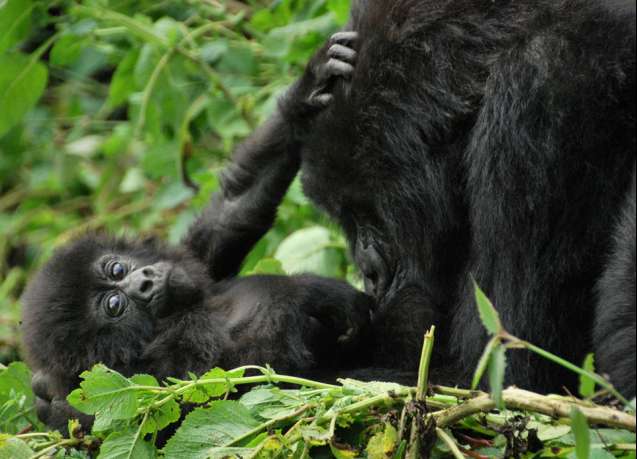
Not sure whether to go to Uganda or Rwanda for gorilla trekking? Check out our comparison Mountain Gorilla Trekking in Africa: Uganda or Rwanda? or view all of our gorilla trekking tours in Uganda and Rwanda.
Head to Lake Ihema in Akagera National Park, one of Africa's oldest national parks, to combine boat trips and game viewing.
Nyungwe Forest National Park protects one of Africa's oldest montane forests and is a primate hotspot. There are about 13 primate species found here with chimpanzees being particularly abundant. This large, old forest is also inhabited by a rich variety of mammals, birds, butterflies and plants (including exotic orchids).
Safety note: Several travel advisory boards currently advise against travelling to Virunga National Park in the Democratic Republic of Congo (DRC) due to political instability in the country.
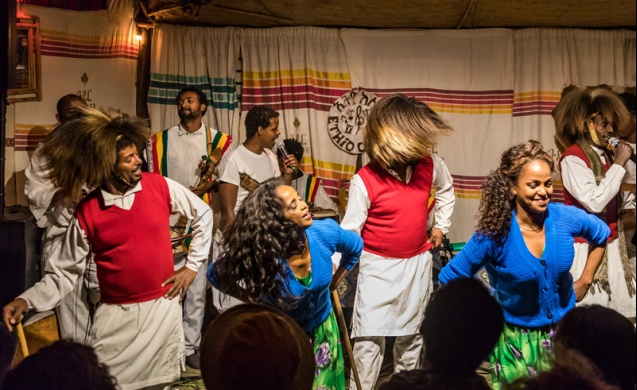
If you're ready for something completely different from the Western world and its modern ways then Ethiopia could be the perfect place for your second safari. Ethiopia isn't your typical big game destination focussed on wildlife safaris. This ancient land offers a wealth of cultural adventures and historical treasures with some wildlife viewing and epic trekking on the cards too.
From a wildlife viewing perspective, the Ethiopian wolf, Swayne’s hartebeest and walia ibex (wild mountain goat) are three of the main highlights.
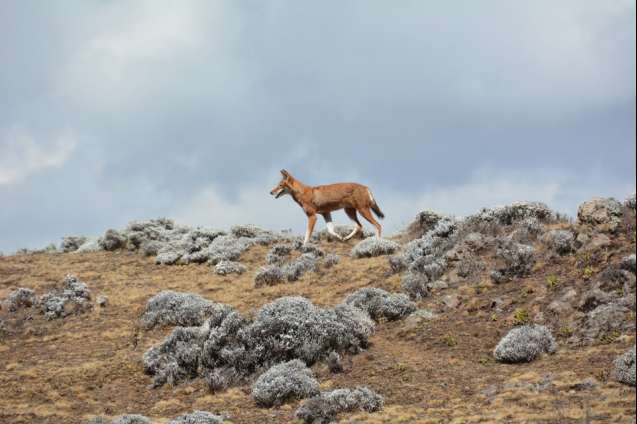
A journey to Ethiopia really is more about experiencing its cultural riches and unique people. From the fascinating and bewildering tribes of Omo Valley to the brightly-robed monks of the north, Ethiopia's people have a long and colourful history.
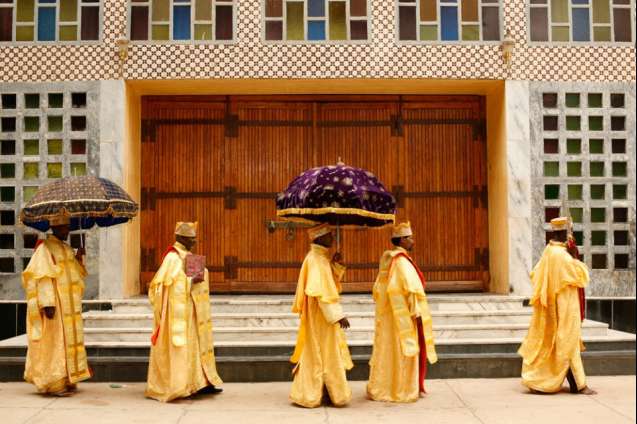
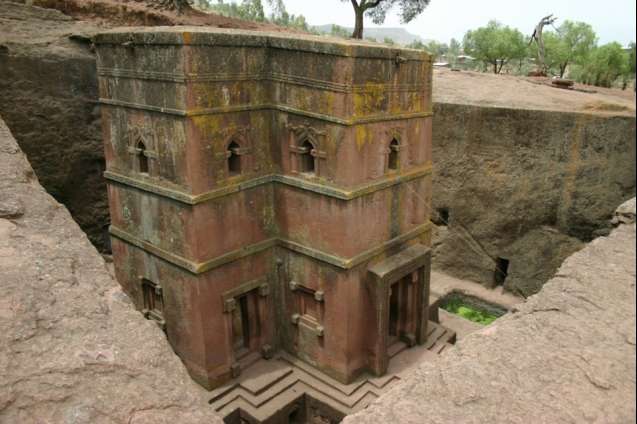
Tours to northern Ethiopia entail exploring the ancient ruins of historic cities and palaces, remote monasteries and rock-hewn churches.
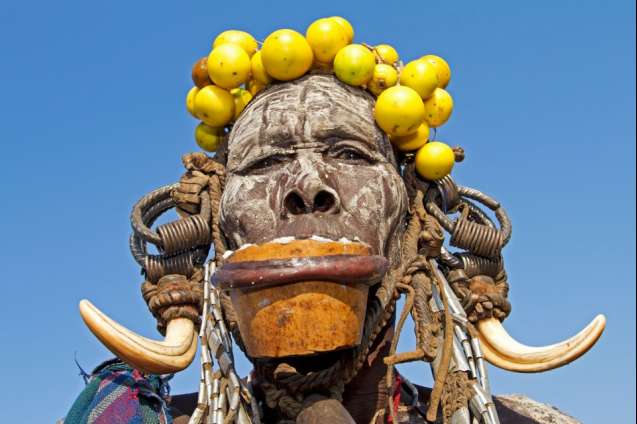
In the south, you'll encounter the utterly unique tribes of Omo Valley (such as the Hamer, Mursi, Karo, Dasenech, Ari and Dorze) with their intriguing rituals, traditional attire and striking body ornamentation.
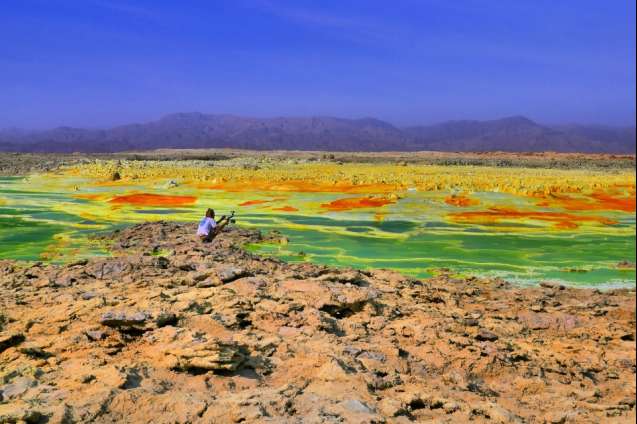
If you're an intrepid explorer, ready to step off the map then look to the rugged Simien Mountains and the inhospitable Danakil Depression.
Ultimately if you're returning to East Africa for your second safari and didn't go gorilla trekking on your first trip then we strongly recommend going to Uganda or Rwanda for this once-in-a-lifetime wildlife experience. You can easily combine gorilla trekking with wildlife safaris in Kenya and Tanzania, where plenty of less-visited yet unforgettable wildlife and beach destinations await!
Some globetrotters argue that southern Africa is a better region to travel to than East Africa because it is more diverse. See Southern Africa vs East Africa Safaris - how to choose? For more information on this or where to go on your second safari in South Africa,
Or, contact one of our travel gurus for help planning your ultimate second (or first) African safari.
Explore these destinations mentioned in this post.
Below you'll find further reading and articles related or similar to this post.




Call us toll free from US/Canada on 1-888-414-6513, or from the UK on 0-808-189-1052. All other countries can contact us on +27 21 791 0878.
© 2026 African Budget Safaris | Privacy | Terms | Cookie Policy | Consent Preferences



__medium.jpg)