
Thinking of visiting Chobe National Park, here are some of the most frequently asked questions.
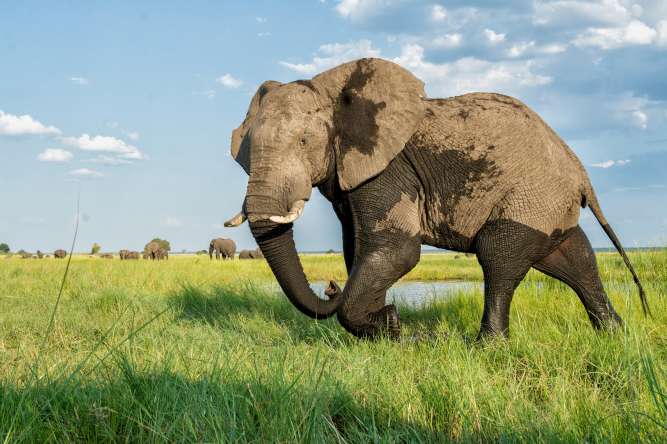
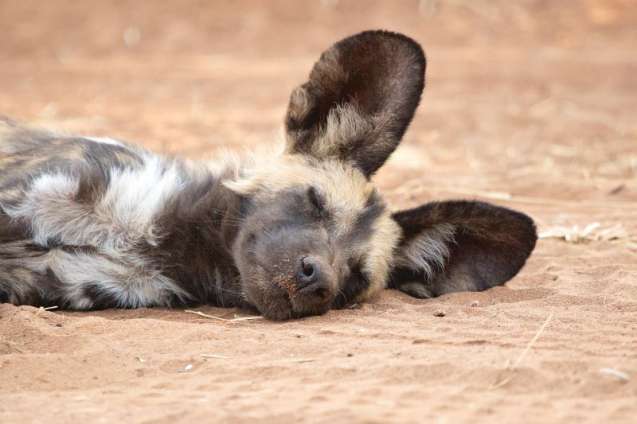
Chobe National Park, in northern Botswana, is a safari lover’s dream. Renowned for huge densities of elephants, together with a host of extraordinary wildlife, Chobe offers unforgettable experiences both on land and water. From thrilling game drives through the bush — where lions, leopards, cheetahs, wild dogs, and hyenas roam — to serene river safaris along the Chobe River, you will be treated to unparalleled wildlife encounters. Chobe is also conveniently located near the Okavango Delta and Victoria Falls, making it an ideal addition to any southern African safari itinerary.
Want to know more about Chobe National Park? Whether you are a first-timer, a safari planner, looking for comparisons, or extensions from Vic Falls. This FAQ guide is for you. Below, we’ve grouped the most frequently asked questions into easy-to-navigate themes to answer all your questions regarding a Chobe National Park Safari.
Chobe National Park is located in far northern Botswana and covers approximately 11,700 km², making it one of the country’s largest and most ecologically diverse protected areas. Its landscapes range from the lush Chobe River floodplains to mopane woodlands, sandy savanna, and the seasonal wetlands of Savuti and Linyanti, supporting exceptionally high wildlife densities. The park is easily accessed via the nearby town of Kasane, which has an airport and excellent road connections, making Chobe one of Botswana’s most convenient and rewarding safari destinations to reach and explore.
Chobe National Park is named after the magnificent Chobe River. This life-giving river sustains roughly 10,700 km² of the northern Kalahari desert, attracting consistently high game densities that make Chobe one of Africa’s most remarkable wildlife destinations.
Chobe National Park features a diverse and striking landscape shaped by water and seasonal change. The famous Chobe Riverfront is characterised by broad waterways, lush riverine forests, and open floodplains that attract high concentrations of wildlife. Inland, the scenery transitions into mopane woodlands, mixed forests, and deep sandy terrain. Savuti and Linyanti are defined by seasonal marshes, floodplains, and semi-arid expanses.
Yes. Chobe National Park forms part of KAZA (the Kavango–Zambezi Trans frontier Conservation Area), the largest conservation area in the world. Spanning Angola, Namibia, Botswana, Zambia, and Zimbabwe, KAZA reconnects ancient wildlife migration routes, strengthens conservation through cross-border cooperation and community involvement, and plays a key role in reducing human–wildlife conflict across the region.
The Savute Channel is located in the southwest/western section of Chobe National Park, connecting the Linyanti River to the expansive Savuti Marsh. It is famous for its dramatic and irregular flow, driven by geological forces rather than seasonal rainfall alone. Sometimes the channel carries water all the way to the Savute Marsh, but at other times it dries up completely. Most notably, the channel stopped flowing in 1981 and remained dry for nearly 30 years before water returned in 2010, transforming Savute from a parched wilderness into a thriving wetland once again.
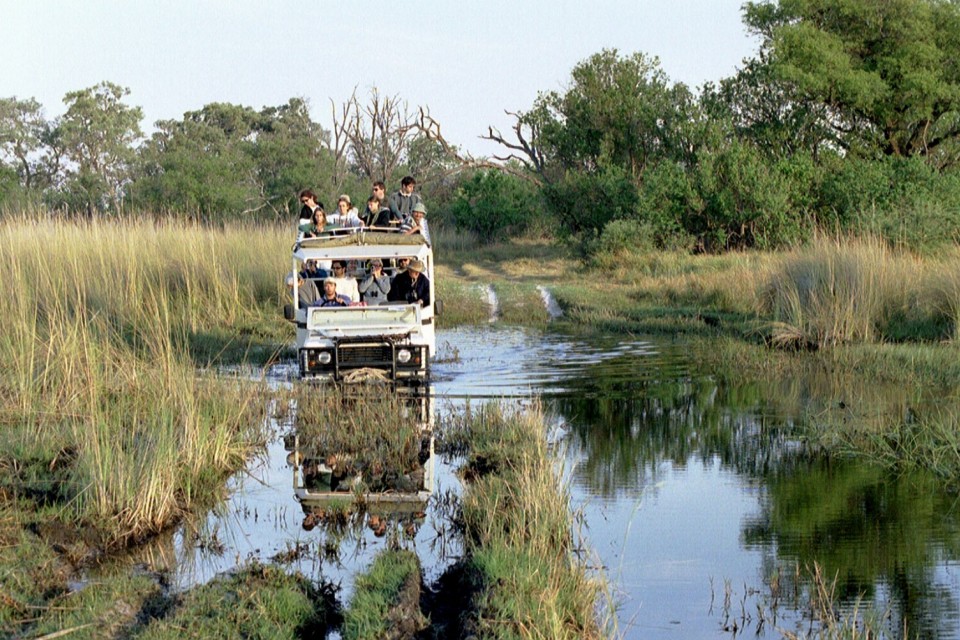
Chobe delivers a classic African safari experience in a vast, unfenced wilderness where wildlife moves freely, and natural predator–prey interactions play out daily. Visitors explore the park through guided 4x4 game drives and boat safaris along the Chobe River, offering two very different but equally rewarding perspectives on the landscape and its wildlife. With consistently high game densities, dramatic riverfront scenes, and remote interior regions like Savuti and Linyanti, Chobe offers a varied, immersive safari that feels wild, unscripted, and deeply connected to natural rhythms.
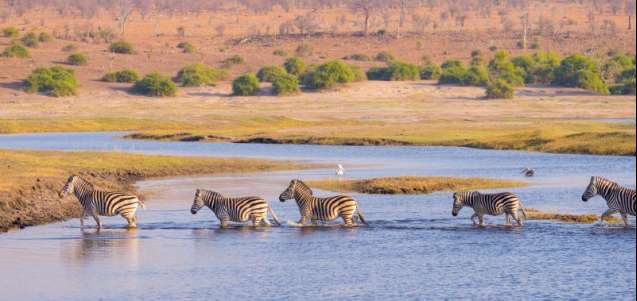
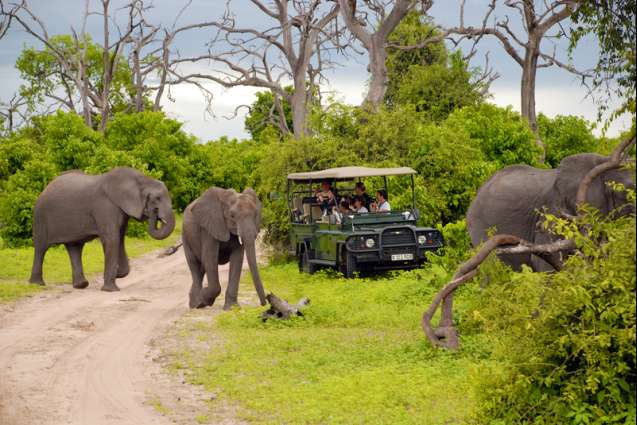
Chobe National Park supports exceptionally high densities of wildlife across a range of habitats, from riverfront floodplains to woodland and open savanna. Visitors can expect regular sightings of lions, buffalo, giraffes, hippos, zebras, and a variety of antelope species, with predator activity especially strong in areas such as Savuti and Linyanti. The park is also home to more than 450 bird species, making it rewarding for birdwatchers throughout the year. Seasonal movements influence where animals are found, but Chobe consistently delivers diverse and reliable game viewing across its different regions.
Yes, Chobe is a Big Five safari destination. Lions, elephants, leopards, and buffalo are all well established within the park, while rhinos have been successfully reintroduced into closely protected private areas. As a result, it is possible to encounter all five species, but rhino sightings are rare and should not be something travellers plan around. Chobe’s strength lies in its overall wildlife density and natural behaviour rather than ticking off individual species, which makes for a more realistic and rewarding safari experience.
Read more about The Big 5 of Africa in our easy guide.
Chobe National Park has a healthy lion population. Lions are one of the park's most recognisable big cat species, and they may be seen throughout the park, including the Savuti Marsh, the Linyanti Marshes, and the adjacent woodlands.
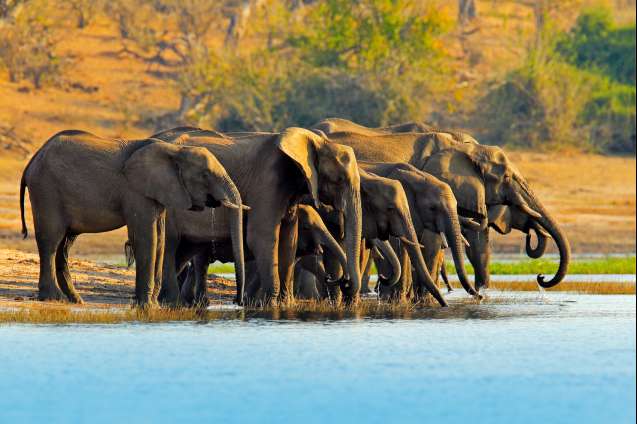
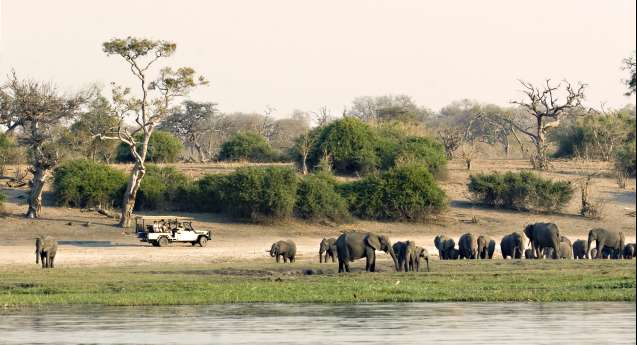
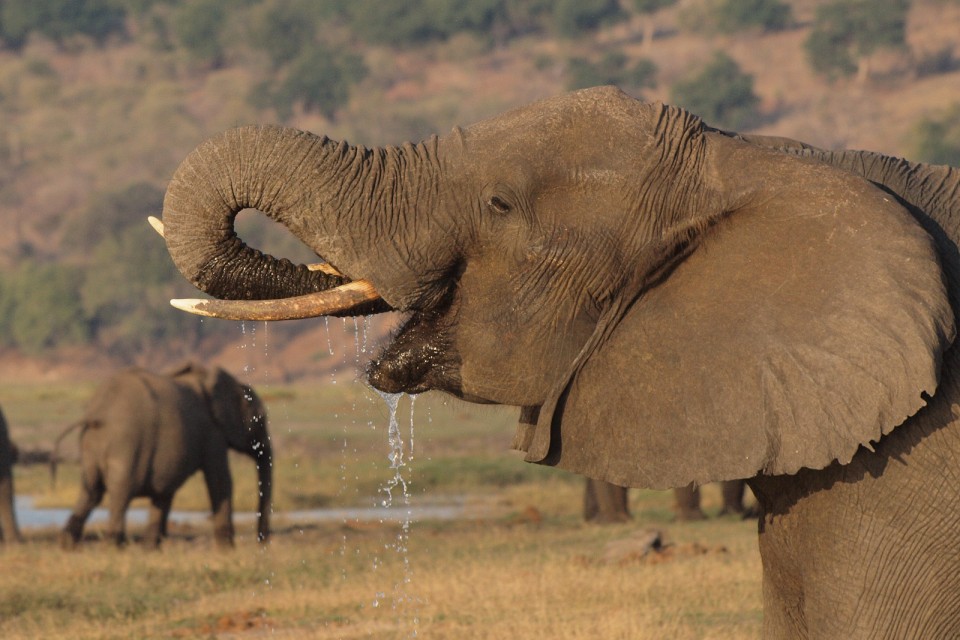
The Chobe Riverfront is one of Africa’s most wildlife-rich regions, especially toward the end of the dry season when large numbers of animals congregate along the river. Visitors can expect to see prides of lions, massive herds of buffalo, and some of the continent's largest elephant populations. A boat safari offers front-row views of this spectacle, with unforgettable photo opportunities in the afternoon as entire elephant families gather to drink and bathe in the river.
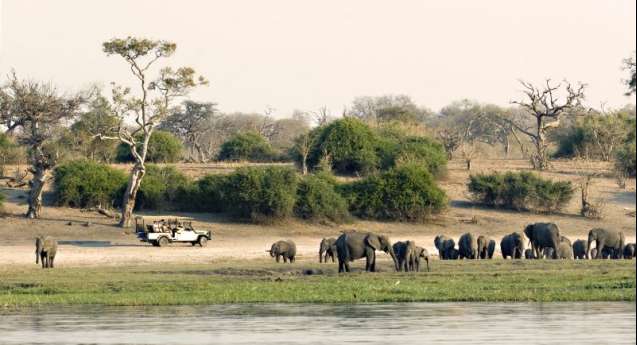
Chobe National Park offers a well-balanced mix of land- and water-based safari experiences. Guided game drives in open 4x4 vehicles allow you to explore different habitats and track wildlife across the park, while boat cruises on the Chobe River provide close-up, relaxed viewing along the riverbanks. Specialised photographic safaris and excellent birdwatching, particularly during the green season, add further depth to the experience.
Additional activities include seasonal tiger fishing, cultural village visits, and guided bush walks, while scenic helicopter flights and houseboat stays offer alternative ways to experience Chobe’s landscapes from the air or water. Thanks to its location, day trips to Victoria Falls are also easily arranged, making Chobe a flexible and rewarding addition to a broader southern African safari itinerary.
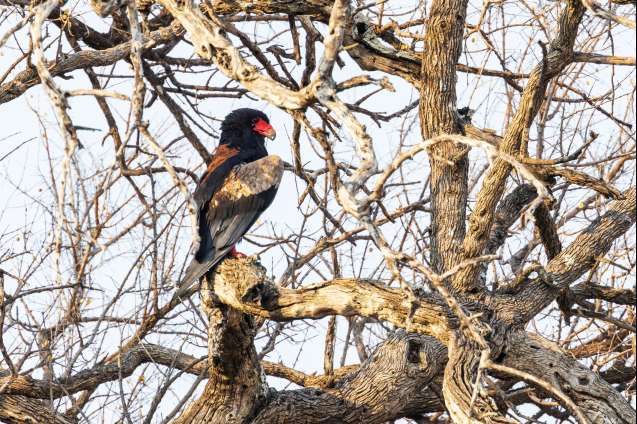
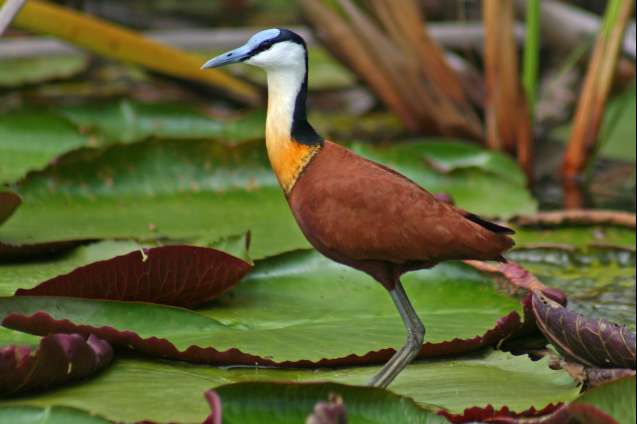
Yes, Chobe National Park is outstanding for birdwatching, with more than 450 recorded bird species. The park is especially rewarding from November to April, when migratory birds arrive and bird activity peaks. Notable sightings include African fish eagles, saddle-billed storks, and the near-threatened African skimmer. The edges of the islands and the Chobe floodplains are especially rewarding, attracting storks, geese, herons, and countless plovers. Rarer but well worth the effort to spot are the night herons.
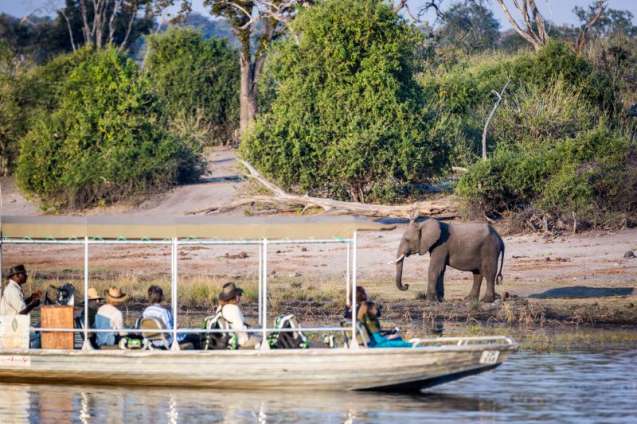
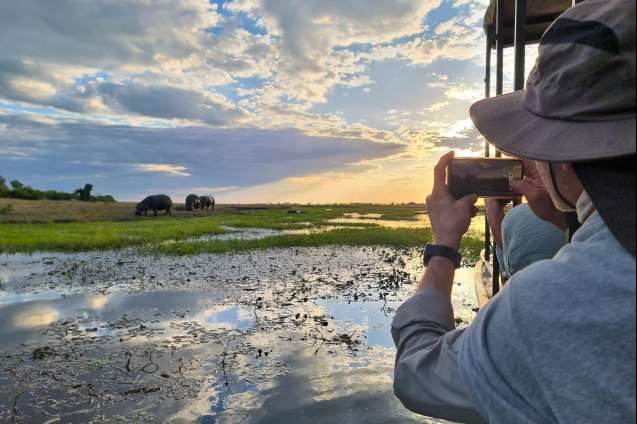
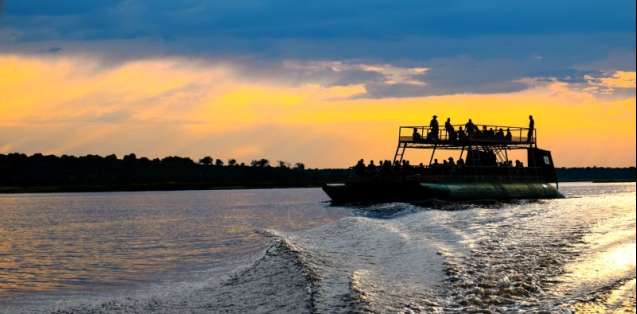
River safaris on the Chobe River offer some of the finest game viewing in Africa. Particularly during the dry season from April to October, wildlife congregates along the riverbanks, creating dramatic wildlife spectacles best seen from the river itself. Boat cruises provide a close-up perspective to view wildlife on the banks, or even while swimming across the river. The experience is enhanced by breathtaking sunrises and sunsets over the water, and the unforgettable sounds of hippos, crocodiles, and trumpeting elephants.
Yes, children are usually permitted on safari game drives in Chobe National Park. At some lodges, age restrictions may apply — particularly for younger children under 6 or 12 years old. These rules are typically at the discretion of the lodge manager or guide. Families with very young children can often arrange private game-drive vehicles, but policies vary by lodge, so it’s important to confirm the details with your chosen accommodation or tour operator in advance.
Choosing how long to stay, which areas of Chobe to focus on, and how to combine it with Victoria Falls or the Okavango Delta can make a big difference to your experience and budget. Our safari consultants have first-hand knowledge of Chobe and can help you plan a trip that matches your travel style, expectations, and budget, without any pressure or guesswork.
Get in touch with African Budget Safaris to start planning your Chobe safari with expert, honest advice.
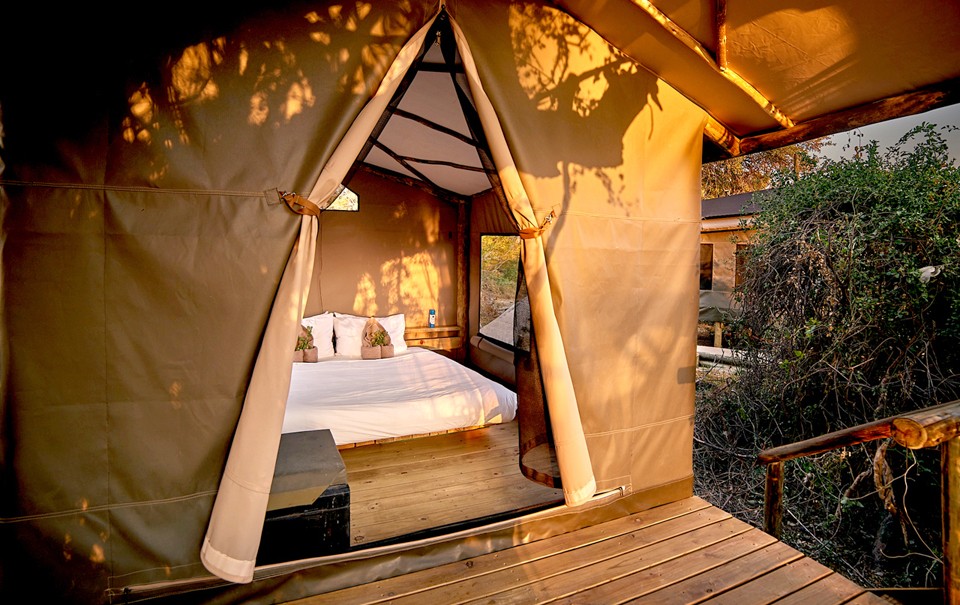
Yes! There are many excellent accommodation options in and around Chobe National Park. Chobe Game Lodge is the only permanent lodge inside the park, alongside luxury tented camps, houseboat experiences, and more budget-friendly campsites. For budget travellers seeking comfort, the nearby town of Kasane is the most convenient base, with a variety of affordable lodges, guesthouses, campsites, and self-catering options, all within easy reach of the park and its safari activities.
Most travellers stay in Kasane for better value and flexibility.
Chobe's main entrance is the Sedudu Gate, which is a mere 6 kilometres (4 miles) west of the town of Kasane, in the northeastern portion of the park.
Chobe National Park is approximately 80 – 90 kilometres (50 – 56 miles) from Victoria Falls by road, with a typical road transfer time of about 1.5 to 2 hours (including a border crossing at the Kazungula border post). This short distance makes Chobe an easy day trip or a natural extension to a Victoria Falls itinerary. Charter flights between Victoria Falls and Kasane take 20 to 30 minutes, offering a quicker, more scenic option for those seeking a seamless connection.
For international visitors, entrance fees are BWP 270 per adult (approximately USD 20) and BWP 135 per child aged 8–17 (about USD 10). Children under 8 enter for free. Fees for Botswana citizens are much lower: BWP 30 for adults and BWP 15 for children.
No. Chobe lies in a high-risk malaria zone, so you should take antimalarial medication. Extra safety measures include using insect repellent (containing at least 30% DEET) and covering up at dawn and dusk to avoid being bitten. The malaria risk is highest in the rainy season.
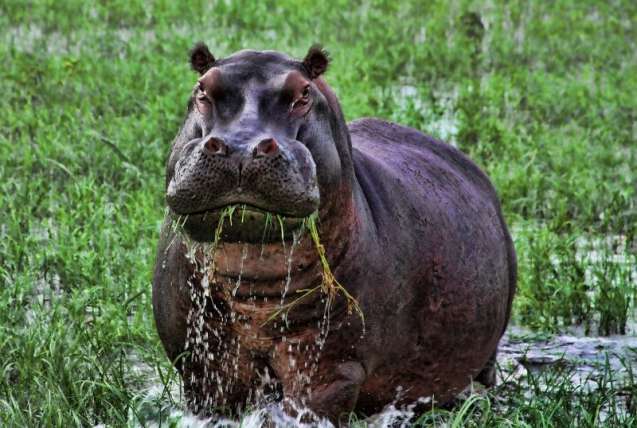
No, the river has a large population of Nile crocodiles and hippos, which make it extremely dangerous.
The cost of a Chobe safari varies widely depending on accommodation style, time of year, and how you choose to explore the park. Chobe offers excellent value by Botswana standards, with options ranging from affordable lodge-based safaris to high-end private camps and exclusive river experiences. For travellers prioritising value, staying in or near Kasane and joining shared game drives or river cruises is one of the most cost-effective ways to experience Chobe’s wildlife.
Budget-friendly Chobe safaris typically combine comfortable lodges or campsites with guided game drives and boat safaris, making it possible to enjoy a rewarding safari experience without luxury pricing. Mid-range options offer smaller groups, more inclusive activities, and upgraded accommodation, while luxury Chobe safaris focus on private concessions, fly-in access, and highly personalised experiences. Travel season also plays a role, with lower rates often available during the green season from January to March.
With careful planning, Chobe can be one of the most affordable safari destinations in Botswana, especially when combined with Victoria Falls or included as part of a longer Southern African itinerary. Speaking to a safari specialist can help match your budget to the right style of Chobe experience, ensuring you get the best possible value without compromising on wildlife or comfort.
Yes, and it’s one of the most popular and rewarding safari combinations in Southern Africa. Chobe National Park is located just 80–90 kms from Victoria Falls, making it easy to combine world-class wildlife viewing with one of Africa’s most iconic natural wonders. Many travellers choose to visit Victoria Falls first, then continue on to Chobe for a safari focused on game drives and river-based wildlife experiences.
A Chobe safari from Victoria Falls typically involves a short road transfer via the Kazungula border or a quick charter flight to Kasane, allowing you to move seamlessly between destinations without losing valuable holiday time. This combination works especially well for travellers with limited time, first-time safari-goers, or those wanting a balance of adventure, scenery, and wildlife.
Chobe and Victoria Falls itineraries range from short 3–5 day add-ons to longer multi-country safaris that also include the Okavango Delta or Moremi Game Reserve. With flexible accommodation options and shared or private activities, this pairing offers excellent value and is one of the easiest ways to experience both a classic safari and a bucket-list landmark in a single trip.
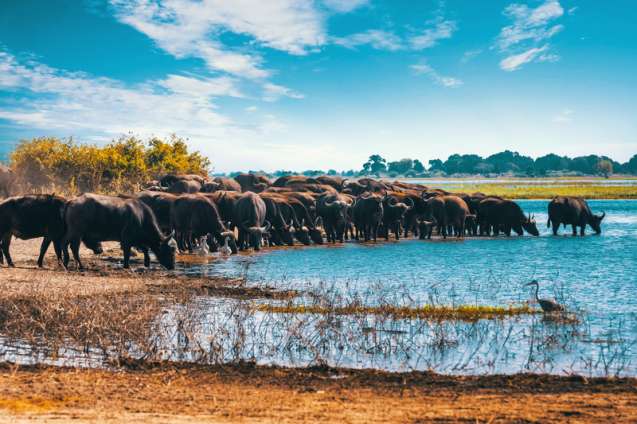
The best time to visit Chobe National Park is during the dry season from May to October, when wildlife congregates along the Chobe River. Cooler temperatures, minimal rainfall, and thinning vegetation make game viewing exceptional, especially from July to October, when the famed massive elephant herds gather along the riverbanks.
Yes. January to March, known as the green or wet season, offers lush landscapes, fewer tourists, and lower accommodation rates. This period is ideal for birdwatching, with migratory species arriving in February, dramatic thunderstorms (that usually don't last long) creating excellent photographic conditions, and vibrant scenery. While malaria risk is higher, many travellers are drawn to the beauty, birdlife, and quieter atmosphere.
Chobe has a warm to hot climate with clearly defined dry and wet seasons, which directly affect wildlife viewing, packing, and travel comfort.
Travellers should pack warm layers for early morning game drives and boat safaris during the dry months, and lightweight, breathable clothing with good rain protection during the wet season.
To truly experience Chobe, plan for at least two to three days. This gives you enough time for both game drives and boat safaris across different areas of the park without feeling rushed. With additional time, you can explore more remote and less-visited regions for a deeper wilderness experience.
Despite its popularity, Chobe National Park does not feel overcrowded overall. Most visitors concentrate along the Chobe Riverfront, particularly during peak dry-season months, while large areas of the park remain quiet and lightly visited. Importantly, any congestion along the riverfront is time-based rather than park-wide, typically limited to popular viewing stretches at certain times of day. With the right timing and guidance, it’s easy to enjoy rewarding wildlife encounters without feeling surrounded by other vehicles.
Chobe National Park was originally home to the Bushmen, followed by the Hambukushu, Bayei, and Basubiya peoples. In the 1850s, the region witnessed the arrival of explorer David Livingstone en route to Victoria Falls, as well as an influx of big-game hunters seeking ivory and trophies. Fortunately for the area’s wildlife, Chobe was declared a game reserve in 1961 and later officially proclaimed a national park in 1968, ensuring long-term protection of its rich ecosystems.
Chobe has a surprising Hollywood connection - Legendary actors Elizabeth Taylor and Richard Burton were married here for the second time in 1975, at the Kasane Magistrate’s Court. They then honeymooned at Chobe River Lodge, which had only just opened at the time, adding a touch of classic glamour to the park’s rich history.
Contact one of our friendly travel consultants if you would like to know more about any of these tours or discuss other options.
Absolutely. With its unparalleled wildlife encounters, peaceful boat safaris, rich birdlife, cultural experiences, and luxurious lodges, Chobe offers far more than just a typical safari.
The Chobe River is famous for sometimes appearing to flow backwards during the peak flood season (March–May), when high waters from the Zambezi River push upstream at their confluence near Kazungula (Kasane). While this rare “reverse flow” isn’t unique globally, the Chobe’s geography is notable: once thought to be a national border quadripoint, it is now recognised as two tripoints — the Botswana-Zambia-Namibia borders and Botswana-Zambia-Zimbabwe borders — just 150 metres apart.
Neither park is 'better', but the answer to whether Chobe or Kruger is better for your safari depends on your travel priorities:
In short, choose Chobe for iconic elephant encounters and river experiences, and Kruger for wildlife diversity, big cats, and convenience.
For wildlife enthusiasts, birders, and first-time safari-goers alike, Chobe National Park delivers an unforgettable safari experience that blends adventure, beauty, and the wild heart of Botswana. A Chobe Safari is also the perfect add-on to a Victoria Falls visit.
If you are considering a trip to Chobe National Park or looking for an extension to your Victoria Falls holiday, African Budget Safaris is there to help. We simplify the process from planning to booking with safari options from budget camping adventures to luxurious lodge stays. Our team of safari consultants draws on firsthand experience in Africa to recommend the best accommodations, activities, and travel logistics to make your vacation truly unforgettable. Whether you prefer a set guided tour or a specially tailored itinerary to suit your interests, we will ensure your Chobe getaway fits your style and budget perfectly.
Reach out to our expert team to start planning your unforgettable Chobe adventure today.
Explore these destinations mentioned in this post.
Below you'll find further reading and articles related or similar to this post.




Call us toll free from US/Canada on 1-888-414-6513, or from the UK on 0-808-189-1052. All other countries can contact us on +27 21 791 0878.
© 2026 African Budget Safaris | Privacy | Terms | Cookie Policy | Consent Preferences


_(1)__thumb.jpg)
__thumb.jpg)
__medium.jpg)

__medium.jpg)


__large__large.jpg)
-2__large.jpg)