
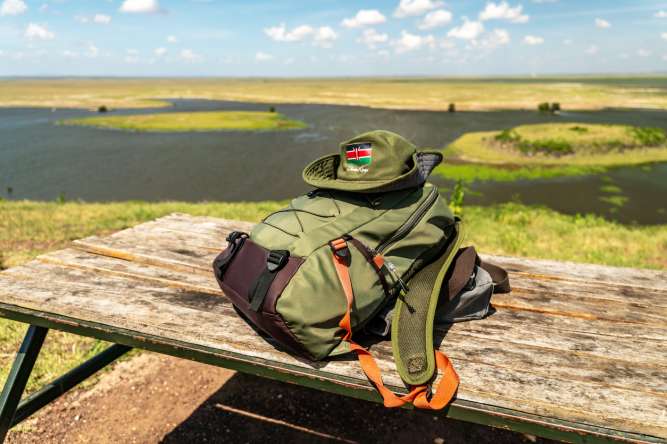
An African safari is one of the most rewarding travel experiences on the planet.
But safari travel is also more complex than a typical holiday. You may cross international borders, take small charter flights, and travel to remote safari camps where there are no printers, scanners, or even Wi-Fi if something goes wrong.
Having your safari travel documents properly prepared before you leave home is just as important as choosing the right safari lodge or packing the right gear.
Use this essential safari document checklist to make sure everything is valid, accessible, and backed up digitally. With the right paperwork in place, border crossings, airport check-ins, and safari transfers become seamless, letting you focus on the thrill of the wild rather than missing documents.
Below are the 12 essential travel documents you should have before travelling to Africa — and why each one matters.


Your passport is the single most important document you’ll carry on an African safari — without it, the journey ends before it begins.
Make sure your passport:
If your passport doesn’t meet these requirements, apply for a new one well in advance. Depending on your nationality, processing times can take up to six months, so begin this process 3–6 months before travel.
Why it matters: Many African safari itineraries involve multiple border crossings, charter flights, and re-entry into countries. Immigration officials will deny entry if your passport does not meet validity or blank-page requirements — even if your flights and accommodation are fully booked.

Visa requirements vary by nationality, destination, and length of stay — and they change frequently.
Depending on the country, visas may:
Always check the official immigration website or consulate for every country on your safari itinerary.
Why it matters: Arriving without the correct visa can result in denied boarding, refused entry, or fines. On safari routes that include multiple countries (such as Botswana, Zambia, Zimbabwe, Kenya, or Tanzania), visa planning is especially important.
Multi-country safaris, especially great migration itineraries between Kenya and Tanzania, require careful visa and timing coordination. See our Migration Booking Guide for route planning advice.

Carry both digital and printed copies of all flight bookings, including international, regional, and charter flights.
Printed e-tickets are particularly useful:
Important: Always confirm your full safari itinerary before booking flights to avoid timing and transfer complications.
Why it matters: Immigration officials often request proof of onward or return travel, and remote airstrips and small airports may not have systems to retrieve digital bookings.
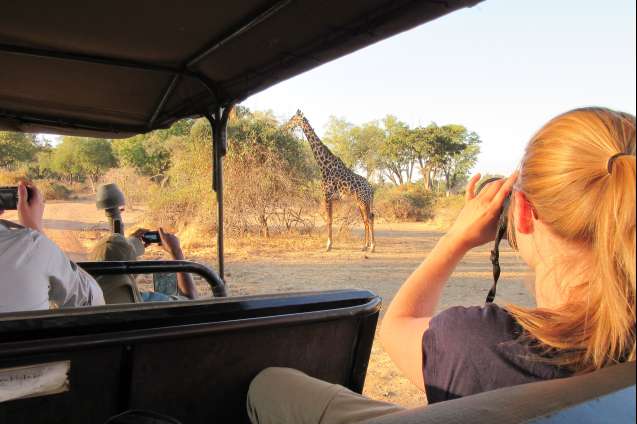
Safari travel vouchers act as official proof of payment and confirmation for your arrangements.
These typically cover:
Download and print all vouchers before departure.
Why it matters: In remote safari destinations, vouchers are often used instead of digital systems. They help lodges, pilots, and guides quickly confirm your booking — especially when connectivity is limited.
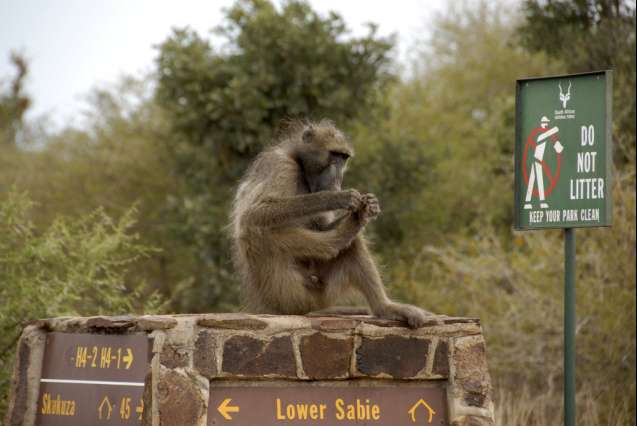
Your safari itinerary is your travel roadmap and should be easily accessible at all times.
It should clearly include:
Why it matters: Safari travel involves precise timing between camps, flights, and guides. A clear itinerary helps prevent missed transfers and ensures everyone knows exactly where you should be — and when.
Safari logistics are closely tied to seasonality. If you haven’t finalised your dates yet, see our guide on the best time to book a safari to secure availability and value.
Pro Tip: Many safaris start early and end late, so arriving the day before and departing the day after your safari is often recommended.
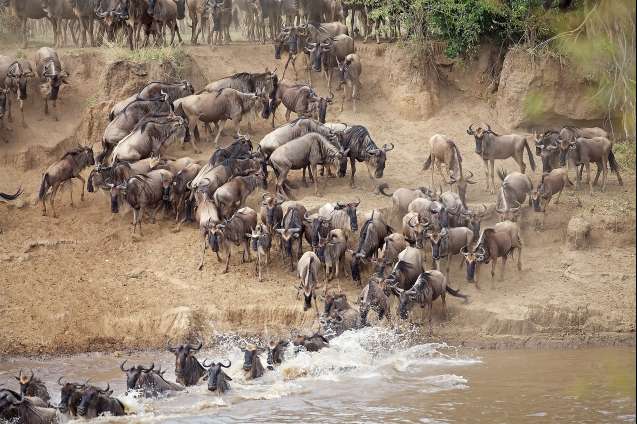
Transfers are not always automatic — even on luxury safaris.
Confirm in advance:
Why it matters: After a long international flight, uncertainty around transfers can cause unnecessary stress. Pre-arranged transfers ensure smooth connections to safari camps, many of which are located far from major airports.

Comprehensive travel insurance is mandatory for most African safari bookings.
Your policy should include cover for:
Carry:
Ideally, purchase insurance within seven days of paying your safari deposit. When you book with African Budget Safaris, you are required to provide information about your insurance company, the contact details, and policy numbers before you travel.
African Budget Safaris requires travel insurance for all bookings and helps you understand what coverage you need before departure. You can read our comprehensive Travel Insurance Guide for Africa.
Why it matters: Safari destinations are often remote, and medical evacuation can be extremely costly. For example, remote airports and landing strips often experience flight delays - for anything from weather conditions to wildlife on the runways – which cause disruptions to your plans and could have a ripple effect on the rest of your itinerary. Without appropriate insurance, even minor incidents can become financially overwhelming.

Some countries require proof of vaccination, most commonly:
Yellow Fever certificates, particularly if travelling from or through endemic areas
Also carry:
Travellers over 65 may also need a certificate of fitness for physically demanding safaris.
See our comprehensive guide: Complete Medical Guide for African Safaris.
Why it matters: You may be asked for medical documentation at borders, lodges, or airports. Missing paperwork can lead to denied entry or confiscated medication.

If travelling with children — especially in South Africa and Botswana — additional documents may be required.
These can include:
Always check country-specific requirements carefully at the time of booking.
Why it matters: Child travel regulations are strictly enforced to prevent trafficking. Missing documents can result in denied boarding or refusal of entry.
Never rely on a single copy of any critical document.
Ensure you have:
Keep originals and copies in separate locations.
Why it matters: If documents are lost or stolen, copies make replacement and assistance far easier — especially when travelling in remote areas.
If your phone is lost, damaged, or out of battery, you still need access to help.
Carry a written list of:
Why it matters: In emergencies, quick access to contact details can save time — and potentially lives — when connectivity is limited.
While not mandatory, these documents can greatly enhance your safari experience.
Useful additions include:
Download everything before you leave home.
Why it matters: Internet access is often unreliable in the bush. Having key information offline ensures you stay informed, confident, and fully immersed in the safari experience.

Visa requirements depend on your nationality and the countries you are visiting. Some destinations offer visas on arrival or online eVisas, while others require advance applications. Always check official immigration websites for every country on your itinerary, especially for multi-country safaris.
Most African countries require at least two consecutive blank pages in your passport, along with six months’ validity beyond your return date. Multi-country itineraries may require additional pages for entry and exit stamps.
Yes. Most safari operators require comprehensive travel insurance that includes medical evacuation coverage. Safari destinations are often remote, and evacuation without insurance can be extremely expensive.
In some countries, particularly South Africa and Botswana, minors may need an unabridged birth certificate and, in certain cases, parental consent letters. Requirements vary by country and are strictly enforced.
You may need a Yellow Fever certificate if travelling from or transiting through an endemic country. Carry prescriptions and doctor’s letters for controlled medications. Always check country-specific health requirements before travel.
Yes. Many safari camps and remote airstrips have limited internet access. Carry both printed and digital copies of passports, visas, insurance, tickets, and itineraries to avoid complications if devices fail.
Before leaving home, double and triple-check that your passport, itinerary, insurance documents, visas, and e-tickets are packed in an easily accessible place for airport checks and border crossings.
A well-organised document folder — both physical and digital — ensures your safari starts smoothly and stays stress-free, so you can focus on what really matters: the wildlife, landscapes, and once-in-a-lifetime experiences ahead.
If you’d rather focus on the excitement of your safari and leave the logistics to the experts, African Budget Safaris can take the complexity out of the minutiae of your safari planning. Trust us, we have done this a thousand times before. We'll be there to guide you and ensure you have the correct paperwork, clear travel guidance, and expert support throughout your journey. Your friendly travel consultant will even be on standby to assist during your safari for complete peace of mind.
If you’re still deciding on destinations, timing, or budget, explore our Safari Planning Guide, cost breakdown resources, and seasonal booking advice before finalising your trip.
Speak to a travel expert to discuss the options for a cost-conscious, well-organised, and deeply memorable African safari experience.

Below you'll find further reading and articles related or similar to this post.




Call us toll free from US/Canada on 1-888-414-6513, or from the UK on 0-808-189-1052. All other countries can contact us on +27 21 791 0878.
© 2026 African Budget Safaris | Privacy | Terms | Cookie Policy | Consent Preferences



-2512__medium.jpg)


__medium.jpg)


__medium.jpg)