__banner.jpg)
Planning an African safari in 2026? Excellent choice.
The first half of the year is one of the best times to go on safari in Africa, offering exceptional wildlife experiences, fewer crowds, and excellent value for money.
Travel at the right time, and you’ll enjoy quieter parks, dramatic green-season scenery, exceptional predator sightings, and safari rates that stretch your budget further.
This guide breaks down exactly where to go, month by month, highlighting:
If you're dreaming of the great migration, gorilla trekking, or simply a memorable first safari, this guide helps you pick the perfect time to travel and enjoy outstanding value.
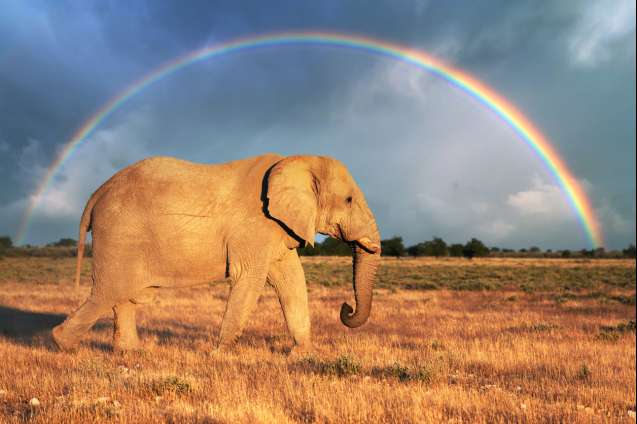
This guide helps you choose the best African safari destinations from January to June. Each month highlights the top wildlife experience, the best-value option, a quieter alternative, plus weather, wildlife, and price insights.
If your dates are flexible, skip ahead to How to Choose Your Month.
If you know when you want to travel, scroll straight to that month.
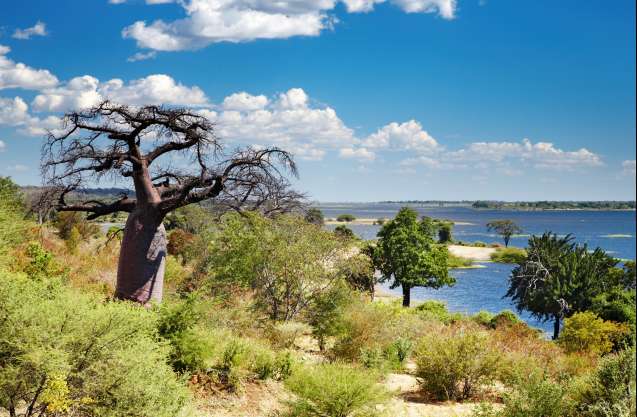
This quick overview compares the best safari destinations in Africa from January to June, including key wildlife highlights, price levels, and quieter alternatives, so you can jump straight to the month that fits your travel style.
|
Month |
Top Wildlife Destination | Why Go | Price Level | Best For | Off-the-Beaten-Track Alternative |
|---|---|---|---|---|---|
| January | Serengeti (Ndutu) | Calving season, intense predator action | Low–Mid | Photographers, wildlife purists | Liuwa Plain, Zambia |
| February | Masai Mara | Quiet predator season, excellent cat sightings | Low–Mid | Couples, photographers | Akagera NP, Rwanda |
| March | Botswana’s Kalahari & Salt Pans | Green-season highlights, seasonal zebra concentrations | Low | Adventure travellers, budget-conscious | Nyika Plateau, Malawi |
| April | Uganda | Gorilla & chimp trekking in lush forests | Low–Mid | Primate trekkers, photographers | Matusadona NP, Zimbabwe |
| May | Okavango Delta | Rising floods, superb predator viewing | Mid | First-timers, honeymooners | Ruaha NP, Tanzania |
| June | Mara & Serengeti | Early migration movement, crisp weather | Mid–High | Families, photographers | Northern Kenya (Samburu + Laikipia) |
Not sure which month or destination suits your budget, travel style, or wildlife wish list? Our safari specialists are happy to help you narrow it down and find the best-value options for 2026.
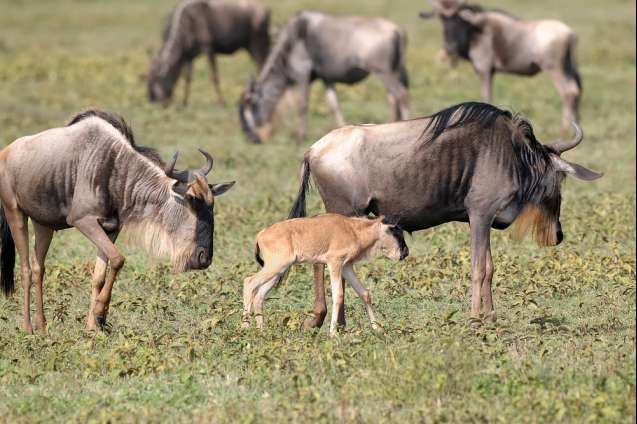
January delivers some of the most intense wildlife action of the year, driven by the Serengeti’s famous calving season and peak green-season conditions. Vast herds gather on the short-grass plains of Ndutu, predators are everywhere, and the landscapes are lush, dramatic, and alive with new life.
This is a green-season safari at its most thrilling, combining exceptional sightings with fewer crowds and excellent value.
January marks one of Africa’s greatest natural events: the wildebeest calving season in the southern Serengeti. Over 500,000 calves are born within weeks, drawing predators from every direction. Expect dramatic action, lush green landscapes, and superb photographic conditions at excellent prices.
Explosive predator–prey interactions
Baby animals everywhere
Fantastic photography opportunities
Fewer crowds than peak migration season
Outstanding value for such a prime destination
January in Ndutu offers near-constant predator action, with lions, cheetahs, and hyenas frequently seen hunting around the vast wildebeest calving herds. Thousands of newborn calves and young plains game fill the short-grass plains, creating some of the most dynamic wildlife scenes of the year. Combined with dramatic green-season skies, lush backdrops, and soft, flattering light, this period is widely regarded as one of the best times for wildlife photography in the Serengeti.
Daytime temperatures range between 24 and 30°C. Short afternoon showers are common but rarely last long, leaving the plains green, fresh, and highly photogenic.
_(1)__medium.jpg)
Kruger National Park delivers superb sightings in January at some of the best rates of the year. Rain refreshes the landscape, predators stay active, and birdlife is phenomenal. It’s a top choice for budget travellers, families, and first-timers.
Affordability: Low accommodation rates during the green season
Reliability: Consistent Big 5 sightings year-round
Flexibility: Excellent for self-drive or guided safaris
Remote, wild, and uncrowded, Liuwa Plain combines vast wetlands with one of Africa’s lesser-known wildebeest migrations. It’s a destination for travellers seeking solitude, birdlife, and raw wilderness.
Wildlife-focused travellers, photographers chasing dramatic predator action, and first-time safari-goers looking for exceptional value during one of Africa’s most exciting natural events.
Price Expectations: Low–Mid
As the calving season peaks and the green landscapes begin to settle, February brings a quieter safari rhythm, with exceptional predator sightings and fewer vehicles in Africa’s top game parks.
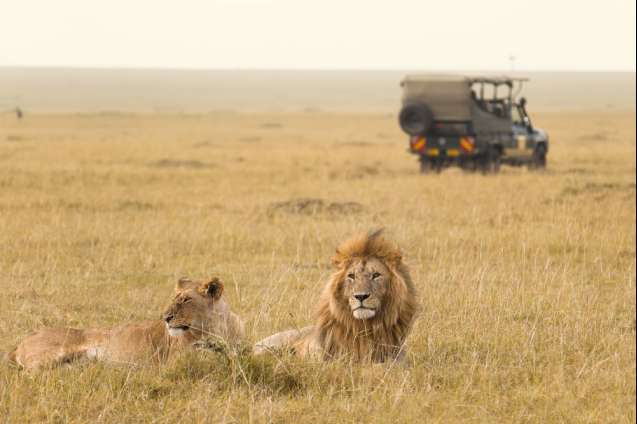
February is a superb month for an African safari if you value quieter parks, excellent predator sightings, and relaxed green-season conditions. With the great migration still in the southern Serengeti, resident wildlife takes centre stage across East and southern Africa.
This is a calm, rewarding safari month that combines strong wildlife viewing with fewer vehicles and very competitive pricing.
In February, the Masai Mara offers safari enthusiasts a quieter predator season. Without the migration crowds, lions, cheetahs, and leopards dominate the plains, often lingering around resident prey species. Visibility remains good, and sightings are typically unhurried and intimate.
Excellent big cat sightings without peak-season crowds
Clear visibility offered by short grasses and open plains
Relaxed game drives with fewer vehicles
Strong value outside the migration period
February delivers consistent predator action, with lions, cheetahs, and leopards frequently seen hunting across the open plains. Resident wildebeest, zebra, and antelope provide reliable prey, while clear skies and uncluttered landscapes create excellent conditions for wildlife photography.
Daytime temperatures range between 26 and 32°C. Rainfall is light and intermittent, keeping the landscape green without disrupting game drives or visibility.
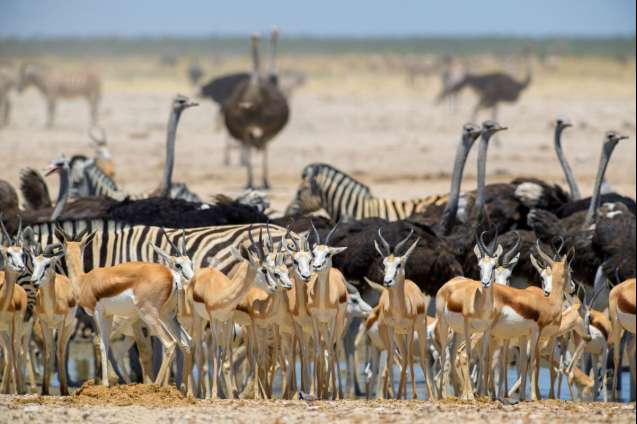
Etosha National Park offers excellent February value, with green pans, active wildlife, and quieter camps. It’s one of Africa’s easiest self-drive safari destinations and remains a strong option for rhino sightings.
Pricing: Shoulder-season lodge and camp rates
Accessibility: One of Africa’s easiest and safest self-drive safari destinations
Wildlife: Reliable rhino and plains game sightings around pans
Akagera is a peaceful Big 5 reserve of rolling savannas, lakes, and wetlands. Visitor numbers are low, and it pairs beautifully with gorilla trekking in Rwanda.
Couples, photographers, and travellers who prefer quieter game drives, prolonged sightings, and excellent predator viewing without peak-season pressure.
Price Expectations: Low–Mid
As summer conditions begin to ease, March opens the door to more adventurous safaris, dramatic landscapes, and some of the best-value wildlife experiences of the year.
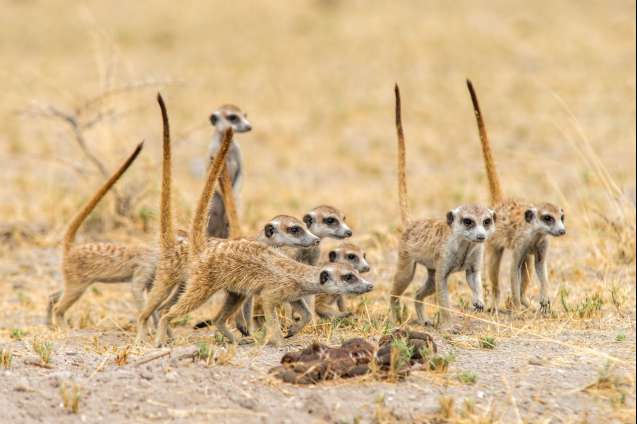
March is an atmospheric safari month, defined by dramatic skies, fresh grasses, and seasonal wildlife movements. While crowds remain low, wildlife viewing can be exceptional for travellers who enjoy a wilder, less polished safari experience.
This is one of the most budget-friendly months to travel, especially for those comfortable with green-season conditions.
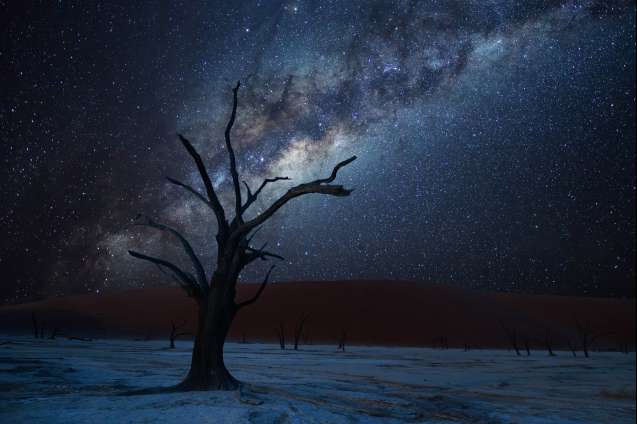
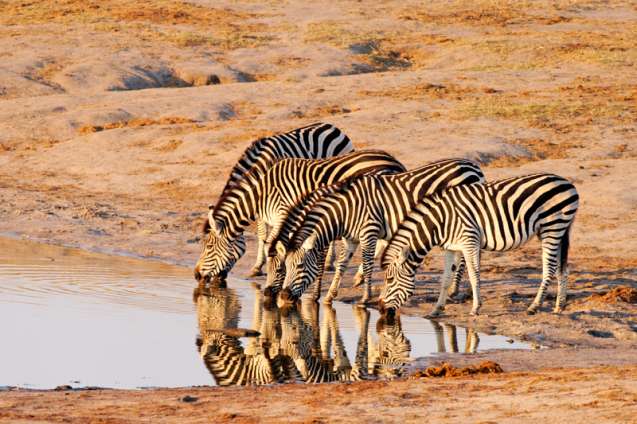
March is an excellent time to explore Botswana’s Kalahari and salt pan ecosystems, when summer rains transform the desert into open grasslands and seasonal pans. While the zebra migration from the Nxai Pan and the Makgadikgadi Pans, the Central Kalahari Game Reserve comes alive with antelope, predators, and dramatic green-season scenery.
Predators are active across the region, skies are moody and atmospheric, and sightings unfold in vast, open landscapes with very few visitors.
Green-season transformation across the desert and pans
Seasonal zebra concentrations in Nxai Pan and Makgadikgadi
Strong predator activity in Central Kalahari
Dramatic skies and outstanding photographic conditions
Extremely low visitor numbers
Zebra herds attract lions, cheetahs, and brown hyenas, while the open desert plains allow for long-distance sightings. The combination of wildlife, weather, and light makes March especially rewarding for adventurous photographers.
Days are warm, with cooling evening temperatures. Rainfall decreases through the month, and vegetation remains green but increasingly open.
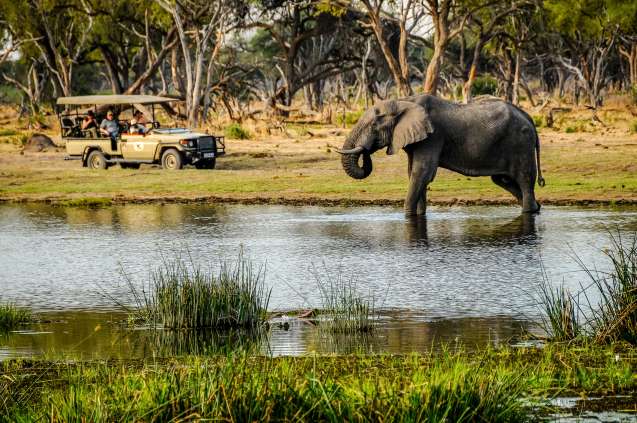
Before peak season begins, Chobe National Park offers excellent elephant sightings at more accessible prices. River cruises are a standout experience at this time of year.
Timing: Lower pre-peak-season safari rates
Wildlife density: Huge elephant concentrations along the Chobe River
Experiences: Excellent value river cruises and water-based game viewing
Nyika’s rolling highlands and open moorlands offer a rare safari experience focused on scenery, solitude, and antelope species rather than classic Big 5 encounters.
Adventurous travellers, experienced safari-goers, and budget-conscious explorers who enjoy dramatic landscapes, fewer vehicles, and seasonal wildlife movement.
Price Expectations: Low
As the rains taper off and landscapes reach peak lushness, April delivers excellent value and some of the most rewarding green-season safari and trekking experiences.
__medium.jpg)
April is one of the quietest and best-value safari months in Africa. Lush scenery, reduced visitor numbers, and shoulder-season pricing create ideal conditions for travellers seeking iconic experiences without crowds.
April is an excellent time for primate trekking in Uganda. Forests are vibrant, trails are quieter, and lodge availability improves, while wildlife encounters remain highly rewarding.
Shoulder-season gorilla trekking permits
Fewer visitors on forest trails
Excellent green-season photography
Strong value on lodges and safaris
The top attractions in Uganda are gorilla and chimpanzee treks, which are intimate and atmospheric, with misty forests and rich vegetation creating striking photographic conditions. Birdlife is also excellent throughout Bwindi and Kibale.
Temperatures are warm and comfortable. Light showers taper off through the month, keeping forests lush without significantly impacting trekking conditions.
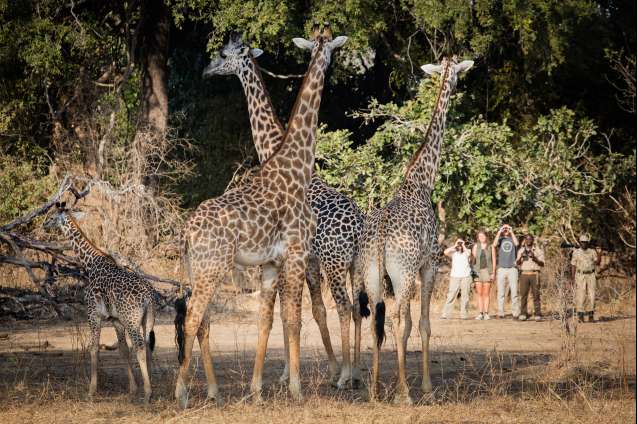
Closed for much of the rainy season, South Luangwa National Park begins to reopen in April. Famous for walking safaris, Luangwa offers early-season value, beautiful green landscapes, and strong leopard sightings.
Seasonal rates: Lower early-season prices as camps reopen
Wildlife: Strong leopard sightings even in greener conditions
Exclusivity: Quiet camps with fewer vehicles
Set along Lake Kariba, Zimbabwe's Matusadona offers boat safaris, woodland game drives, and a strong sense of isolation with very low visitor numbers.
Primate lovers, photographers, and travellers seeking iconic wildlife experiences with minimal crowds and excellent value.
Price Expectations: Low–Mid
As Africa transitions into the dry season, May delivers cooler temperatures, improving visibility, and classic safari conditions without peak-season crowds.
If you’re flexible on dates or torn between a few destinations, we can help you compare safari options and recommend the best time to travel based on wildlife, comfort, and value.
__medium.jpg)
May is a turning point in Africa’s safari calendar. Vegetation thins, wildlife becomes more visible, and conditions feel increasingly comfortable, while prices remain below peak-season levels.
As floodwaters arrive, the Okavango Delta transforms into a network of channels and islands. Land and water safaris combine beautifully, and predator sightings remain strong.
Rising floodwaters and mokoro safaris
Excellent predator activity
Comfortable temperatures and clear skies
Classic safari scenery without peak crowds
Lions, leopards, and wild dogs are active across floodplains and islands, while plains game begins concentrating around permanent water sources.
Days are mild, evenings are cool, and rainfall is minimal. Visibility improves as vegetation thins.
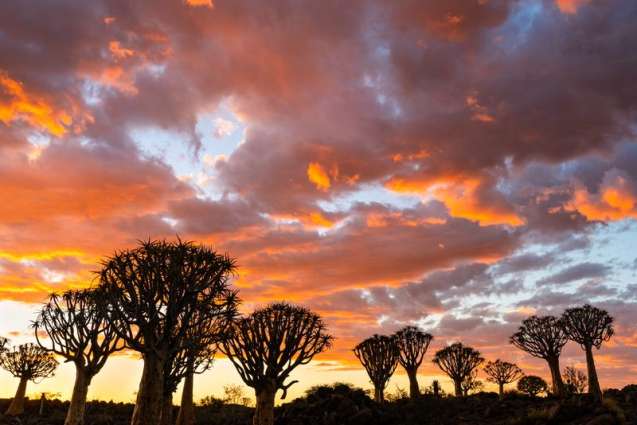
May offers ideal conditions for exploring Namibia’s remote regions. Damaraland & the Skeleton Coast offer dry weather, cooler temperatures, and shoulder-season pricing.
Conditions: Comfortable temperatures and dry weather for desert travel
Pricing: Shoulder-season rates before peak demand
Uniqueness: Access to rare desert-adapted wildlife and dramatic landscapes
Ruaha National Park delivers powerful predator sightings, vast landscapes, and very low visitor numbers, even as the dry season begins.
First-time safari travellers, honeymooners, and those seeking classic safari conditions with balanced pricing and comfort.
Price Expectations: Mid
By June, dry-season patterns are firmly established, bringing concentrated wildlife, crisp weather, and the first movements of the great migration.
__medium.jpeg)
June marks the start of Africa’s prime safari season. Dry weather improves visibility, wildlife gathers around water sources, and predator activity intensifies across major ecosystems.
The vast Serengeti ecosystem sees the wildebeest herds begin pushing north. The predators are close behind, and game viewing is excellent. In addition to the excellent game viewing, conditions are ideal for photography.
Early great migration movement
Peak big cat activity
Dry-season visibility and golden light
Comfortable daytime temperatures
Large herds gather along migration routes in the Serengeti National Park, attracting lions, cheetahs, and hyenas. Concentrated wildlife and open landscapes create classic safari scenes.
Cool mornings and warm, dry days dominate. Vegetation is thinning, and visibility is excellent.
Hwange delivers exceptional elephant and predator sightings in June at prices still lower than peak dry-season months.
Cost comparison: Better value than East Africa during the early dry season
Wildlife: Large elephant herds and excellent predator sightings
Scale: A vast park with fewer visitors than comparable reserves
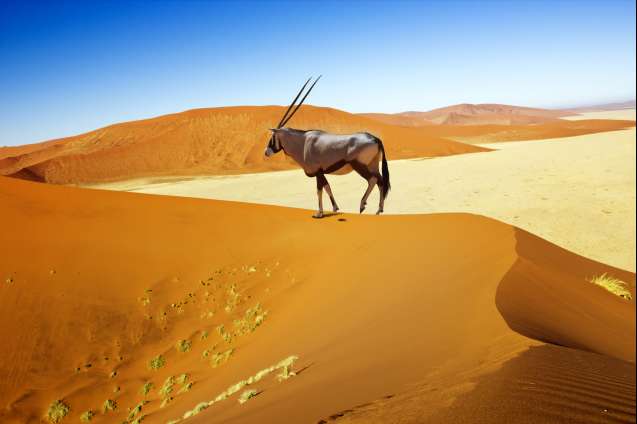
Samburu and Laikipia showcase a wilder, more exclusive side of Kenya, defined by rugged semi-arid landscapes, community-run conservancies, and exceptional guiding. This region is home to the “Northern Five”, Grevy’s zebra, reticulated giraffe, Somali ostrich, gerenuk, and beisa oryx, as well as strong populations of elephants, big cats, and wild dogs. With low visitor numbers, flexible activities, and a strong focus on conservation and community tourism, Samburu and Laikipia offer an authentic safari experience far removed from Kenya’s busier parks.
Families, photographers, and migration-focused travellers seeking reliable wildlife viewing and classic dry-season safari conditions.
Price Expectations: Mid–High
Now that you’ve seen how safari conditions change from January to June, the next step is choosing the month that best matches your budget, travel style, and wildlife priorities.
__medium.jpg)
If you’re torn between two months, use these quick filters to match your budget and travel style.
Cheapest Months: January, February, March
Best Weather: May and June
Best Predator Action: January (Ndutu calving), February (Mara big cats), June (migration movement)
Best for First-Timers: Kruger (Jan–Mar), Okavango Delta (May), Masai Mara (June)
Best for Photographers: January–April (green-season drama), May–June (crisp dry-season clarity)
Best for Total Wilderness: Liuwa (Jan), Nyika (Mar), Matusadona (Apr), Ruaha (May), and northern Kenya (June)
Green-Season: Rainy months with lush scenery, newborn animals, dramatic skies, and great value.
Shoulder Season: Transition months with comfortable weather and fair pricing.
Dry Season: Peak wildlife visibility as vegetation thins.
Calving Season: Late Jan–Mar, when wildebeest give birth.
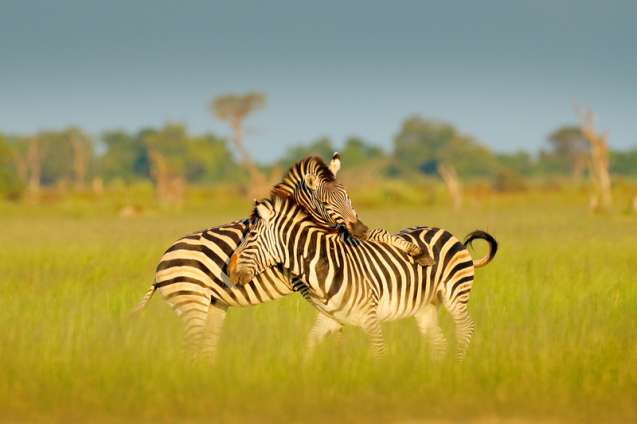
Migration: A year-long cycle of 1.5+ million wildebeest and zebra moving between Tanzania and Kenya.
__medium.jpg)
Safari planning doesn’t have to be overwhelming.
Tell us your travel dates and what you’d love to experience, and we’ll build a safari that fits your budget, interests, and sense of adventure.
Whether you're chasing gorillas, the great migration, or a quiet escape into Africa’s wildest spaces, we’re here to make it unforgettable, and surprisingly affordable.
Contact us today and let's start planning your 2026 safari.

Explore these destinations mentioned in this post.
Below you'll find further reading and articles related or similar to this post.




Call us toll free from US/Canada on 1-888-414-6513, or from the UK on 0-808-189-1052. All other countries can contact us on +27 21 791 0878.
© 2026 African Budget Safaris | Privacy | Terms | Cookie Policy | Consent Preferences



_(1)__thumb.jpg)