
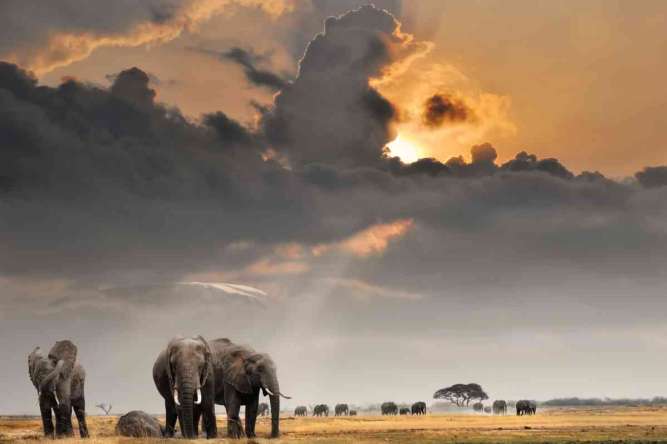
AI is making ripples around the world. Take a look at some innovative uses of AI in conservation around the continent.
The timelessness of Africa is on display for all to see in the very wild places. Slow-burning sunsets, the reverberation of a lion's roar, and the age-old wisdom held in the eye of an elephant.
Despite these timeless rhythms, African landscapes and animals are under threat. Habitat loss, poaching, and climate change are all issues.
Today, traditional conservation strategies are being heavily influenced by fast-evolving technological advances. Across East and southern Africa, artificial intelligence (AI), drones, satellites, and even sound recordings are giving rangers and researchers the tools they need to protect wildlife more effectively in the modern world.
__medium.jpg)
AI is everywhere and is changing the way we live, work, and play. In conservation, AI has become one of the most powerful new allies, transforming raw data into actionable insights. These are some of the initiatives happening around the African continent.
First used in Uganda in 2014 at Queen Elizabeth National Park, the Protection Assistant for Wildlife Security (PAWS) uses a specially designed algorithm to analyse historical poaching data, weather, and terrain to predict where poachers are most likely to strike. It then generates randomised patrol routes, reducing predictability and keeping rangers ahead.
The PAWS system is currently in use in over 1000 protected areas. Countries include Nigeria, Zimbabwe, Kenya, Mozambique, and Zambia.
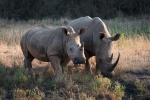
In South Africa, PAWS has been applied to combat rhino poaching. It has achieved fantastic results in reducing mortality rates and is simultaneously opening doors to new understandings of behaviour, health, and movement.
With just 150 rangers protecting millions of animals, the Serengeti has deployed TrailGuard AI.
This camouflaged, palm-sized camera uses AI recognition to detect, stop, and arrest poachers. The device relays information in real time and allows authorities to clamp down on illicit activities.
When TrailGuard AI, which Steve Gulick and RESOLVE developed, was tested in the Grumeti Reserve in Tanzania, thirty poachers were arrested, and over 1,300lbs of poached animals were seized.
__medium.jpg)
Acoustic sensors that record sounds in the wild have been supplying data for years. Researchers have been hard-pressed to analyse the sheer quantity of recorded data. New AI models can quickly analyse information and make a difference in real time. In Hwange National Park, AI-powered acoustic devices detect gunshots, chainsaws, and vehicles, sending real-time alerts to conservation patrols. It is estimated that paochers can be detected 17 times faster than conventional methods when using AI.
Niassa Reserve has been in use since 2016 using a Spatial Monitoring and Reporting Tool (SMART). SMART processes data from camera traps, giving rangers insights into animal movements and potential threats. It allows authorities to combine law enforcement monitoring with biodiversity data, making conservation both proactive and data-driven.
The Strategic Protection of Threatened Species (SPOTS) initiative teamed up with FruitPunch AI to mount an AI-powered poacher detection system on autonomous drones. These drones identify poachers faster and with greater accuracy, enabling rangers to intercept them quickly. Their focus includes safeguarding endangered rhinos, which are crucial to both ecosystems and local communities.
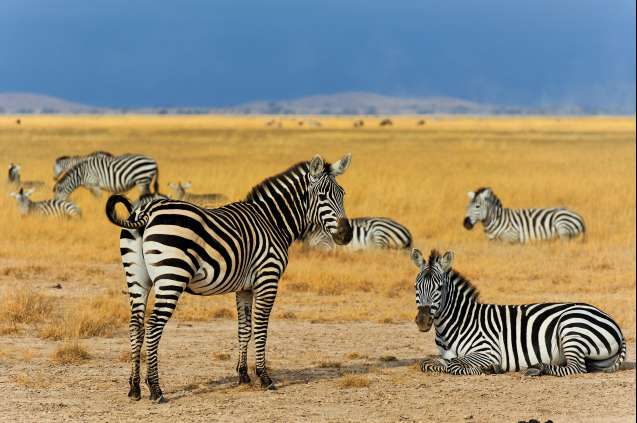
AI isn’t only about detecting threats; it’s also helping to identify and protect species.
Wild Me develops open-source AI software that enables fast, accurate wildlife identification and population monitoring without physical tagging. The platform uses images from camera traps, aerial surveys, tourists, and citizen scientists. Their Wildbook platforms streamline photo-identification across species worldwide, replacing hours of manual work with minutes of computation and fostering global collaboration to combat extinction.
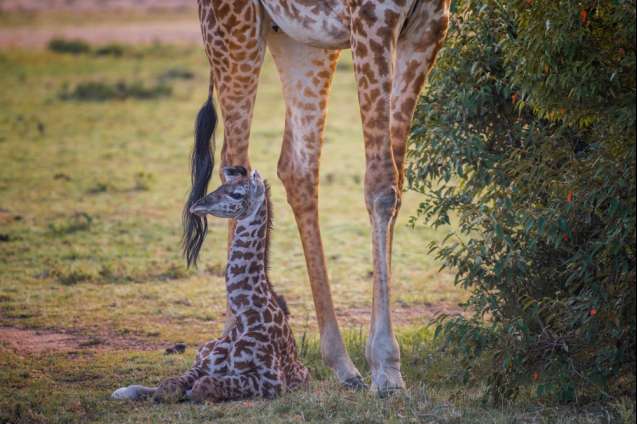
In Africa, Wildme platforms include the African Carnivore Wildbook for multiple species, GiraffSpotter, Flukebook for whales, Whiskerbook for tracking big cats, and Sharkbook for whale shark encounters.
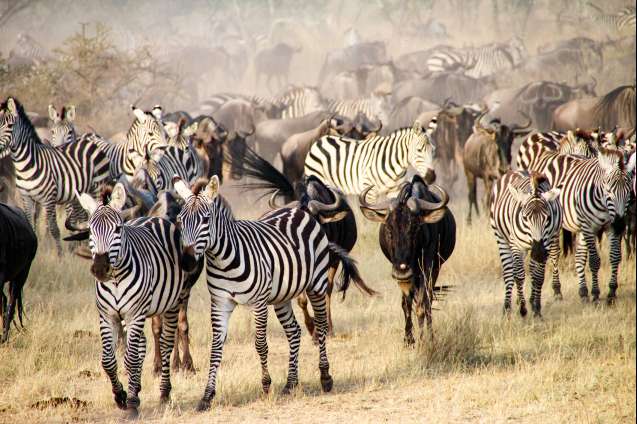
In Kenya, Wildbook is being used for zebra conservation. Each zebra has a unique stripe pattern, like a fingerprint. Wildbook’s AI program analyses thousands of photographs, many uploaded by safari travellers, schoolchildren, and researchers, to identify individual zebras. This citizen-powered database helps scientists monitor populations, track survival rates, and plan conservation strategies.
Wildbook is also applied across Africa for giraffes, cheetahs, and whale sharks, proving how AI can turn everyday wildlife photography into valuable conservation data.
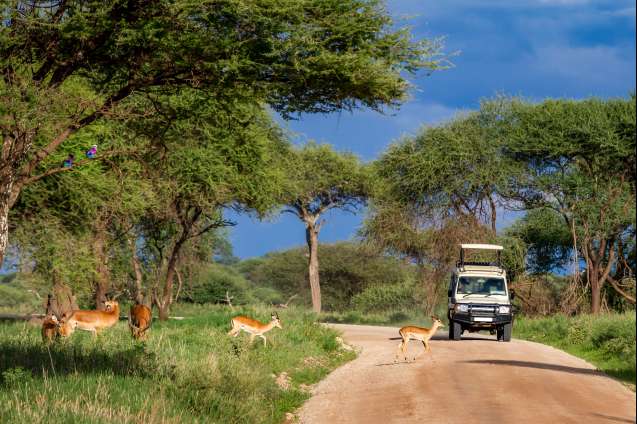
Not all conservation relies on what we can see. Some of the most vital ecological signals come through sound.
Bioacoustics, environmental recordings of natural soundscapes, are becoming an essential conservation tool. From buzzing insects to frog calls and bird song, these “silent signals” reveal ecosystem health and help detect species too small to monitor with drones or satellites.
At Microsoft’s AI for Good Lab, researchers have been training AI models on decades of acoustic recordings. AI can process years of audio in hours, classifying species and detecting changes in biodiversity far beyond what human researchers could achieve alone.
In Africa, bioacoustic sensors are being used in forests and savannas to detect chainsaws, gunshots, or even subtle changes in the frequencies of insects and birds.
Globally, underwater sensors have identified endangered whales across vast ocean ranges—proving the potential for Africa’s own marine conservation.
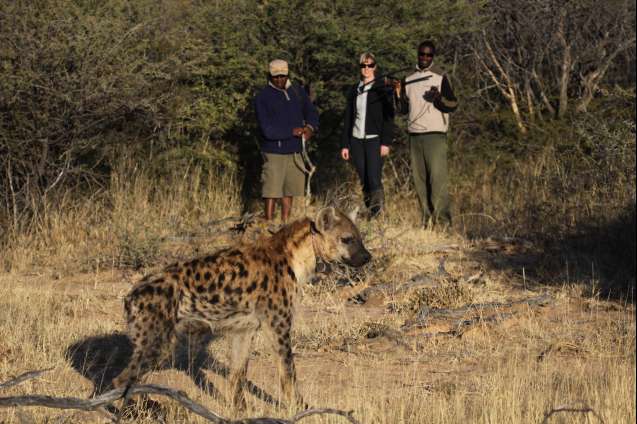
Satellites and GPS collars have been used for years and remain vital for mapping animal movements and reducing wildlife conflict.
GPS collars on elephants provide alerts when herds approach farms, allowing patrols to prevent conflict. Long-term data reveal migration corridors essential for planning.
Collars on elephants, lions, and cheetahs provide insights into ranges and help mitigate human-wildlife conflict.
Some rhinos are fitted with horn-embedded transmitters, making it harder for poachers to move undetected and easier for rangers to respond.
__medium.jpg)
Drones are having a major effect on the world, and in conservation, they have transformed both anti-poaching and population surveys.
AI platforms like Wildbook use drone footage to identify individual animals based on coat patterns, speeding up population counts.
Combined with AI systems like SPOTS, drones are not only monitoring but actively stopping poaching.
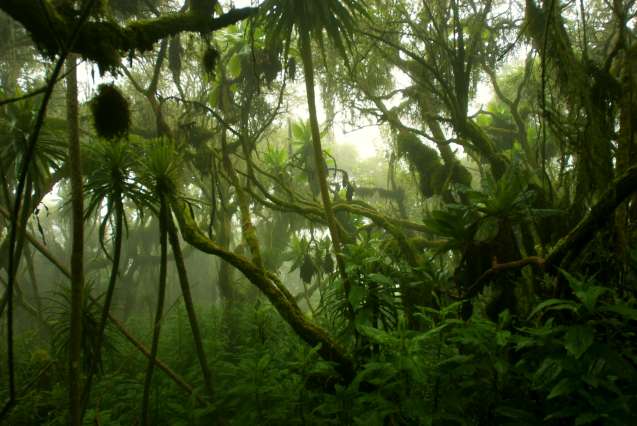
Beyond savannahs and deserts, technology is also defending Africa’s forests. Rainforest Connection uses AI-powered acoustic sensors to detect the sound of chainsaws in real time. Alerts are sent to rangers, enabling them to respond immediately and prevent illegal logging. By protecting forests, this system preserves critical habitats for countless species and helps maintain the ecological balance that underpins African biodiversity.
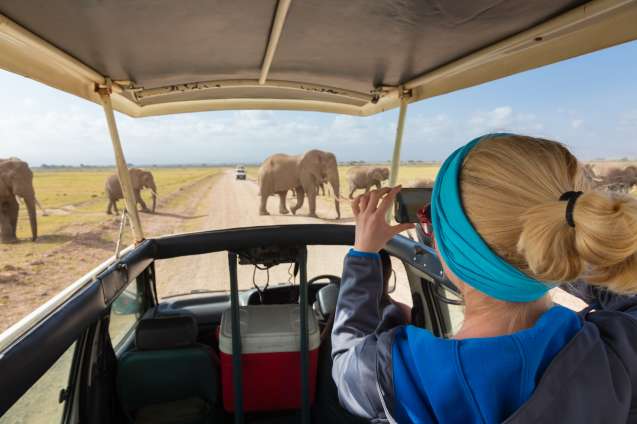
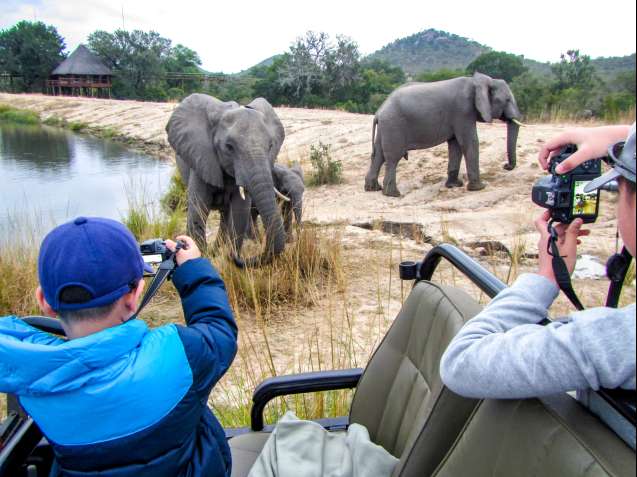
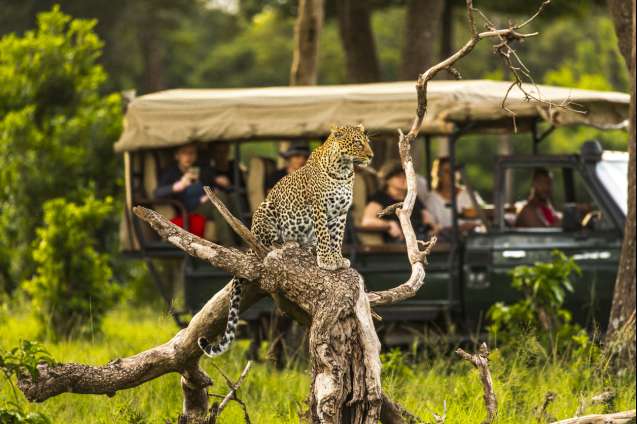
Technology isn’t only protecting wildlife, it’s also enriching safaris:
These innovations give travellers a deeper role in conservation, transforming a safari into an interactive contribution to wildlife protection.
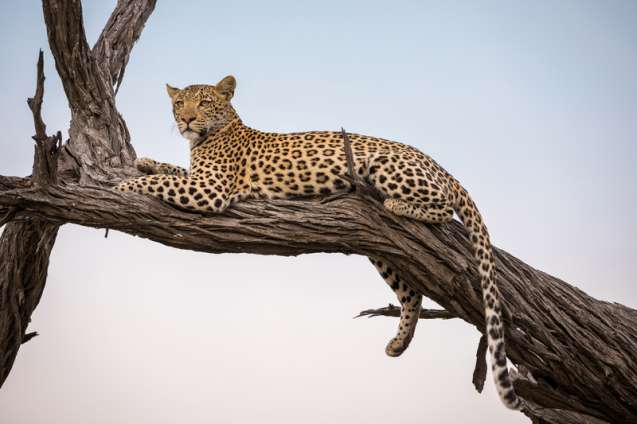
Technology alone cannot save Africa’s wildlife. Many reserves lack reliable connectivity, and high-tech tools raise questions of cost, data ownership, and surveillance. Crucially, local communities and rangers remain at the heart of conservation.
Community conservancies in Namibia and Kenya show that blending indigenous knowledge with modern tools creates the most effective and sustainable solutions.
WWF Namibia’s Communal Conservancy Program: Uses drones and SMART monitoring tools alongside local game guards’ knowledge, creating one of Africa’s most successful community conservation models.
Masai Mara Conservancies: Tourism revenue funds ranger patrols that blend SMART data collection with Maasai tracking traditions, ensuring both science and heritage guide conservation.
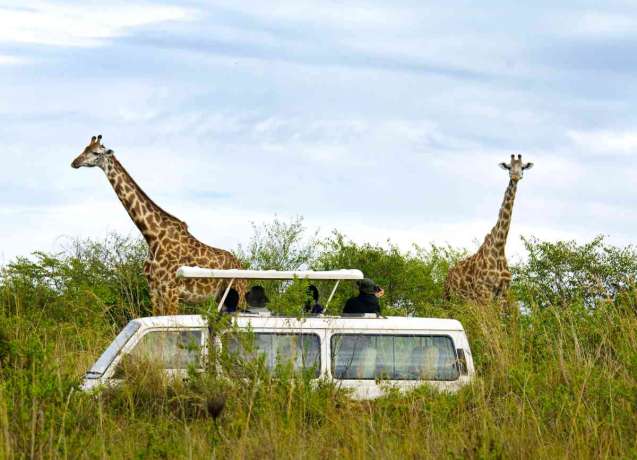
From SPOTS’ AI-powered drones in Botswana to SMART patrol systems in Mozambique, from TrailGuard AI in Tanzania to Wildbook’s zebra IDs in Kenya, technology is proving to be a transformative force in Africa’s wildlife conservation. Add in bioacoustics, satellite tracking, and citizen science, and a clear picture emerges: AI is not just a theory, it’s a practical tool that is shaping Africa’s conservation future.
For travellers, this means every safari is more than an adventure. By booking with conservation-focused operators, you’re supporting the very technologies that are protecting elephants, lions, rhinos, and zebras across Africa.
Africa’s wild places are no longer defended by rangers alone; they are protected by a powerful alliance of people, communities, and technology.
Contact African Budget Safaris today and start planning a safari to one of Africa's wild frontiers.

Explore these destinations mentioned in this post.
Below you'll find further reading and articles related or similar to this post.




Call us toll free from US/Canada on 1-888-414-6513, or from the UK on 0-808-189-1052. All other countries can contact us on +27 21 791 0878.
© 2026 African Budget Safaris | Privacy | Terms | Cookie Policy | Consent Preferences

__thumb.jpg)
tours_through_moremi_game_reserve__thumb.jpg)




__medium.jpg)




__medium.jpg)