Short answer: Yes. Botswana is one of Africa’s safest safari destinations, ranking 43rd out of 163 countries on the 2025 Global Peace Index. It is politically stable, tourism-focused, and widely regarded as low risk for visitors.
However, Botswana’s safety story is different from urban travel in Europe or North America. The main risks are not political unrest or violent crime. They are:
Here’s what that really means for safari travellers in 2026.
__medium.jpg)
According to the 2025 Global Peace Index by the Institute for Economics & Peace, Botswana ranks:
The Global Peace Index measures national stability, internal conflict, and societal safety. It confirms Botswana’s strong macro-level stability.
What it does not measure is campsite behaviour, 4x4 skill, or night driving decisions. That’s where safari safety becomes practical rather than political.
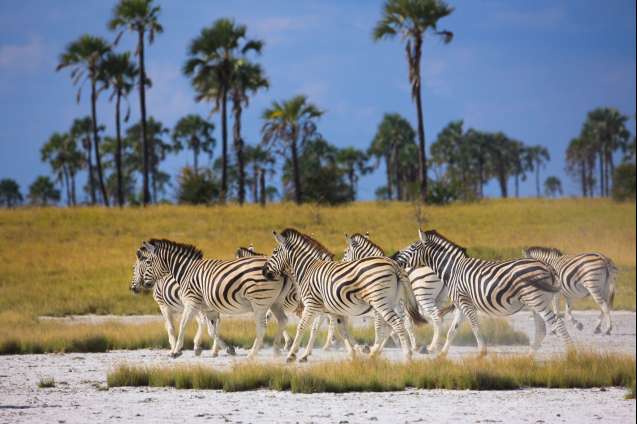
Yes, but it is generally low-level and opportunistic.
Tourists are not typically targeted. Most issues occur in larger towns such as Gaborone, Kasane, and Maun, though Maun – the gateway to the Okavango – does not experience high levels of crime.
Crime exists, but it is not the primary risk on safari.
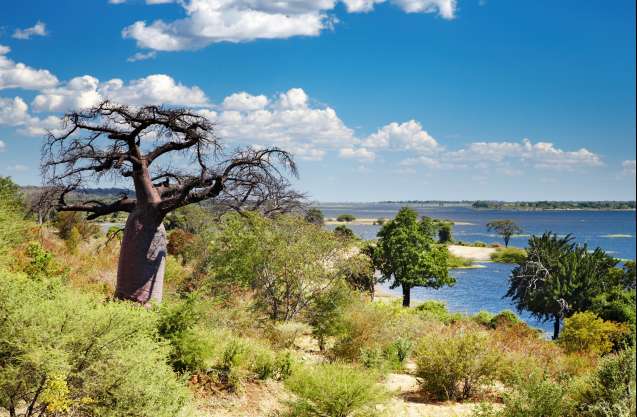
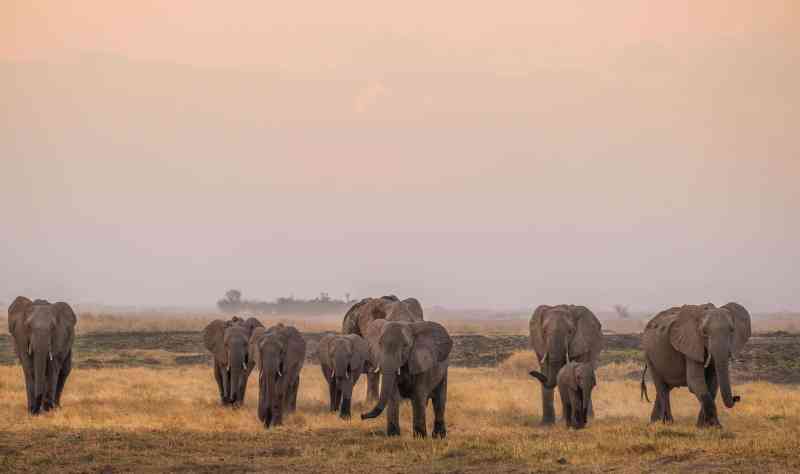
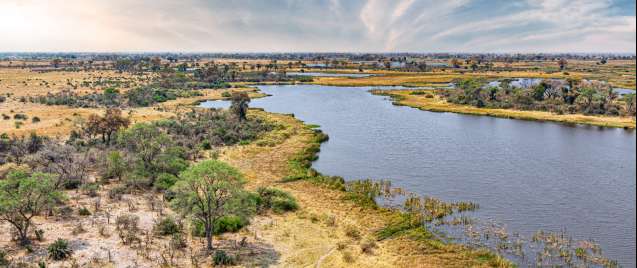
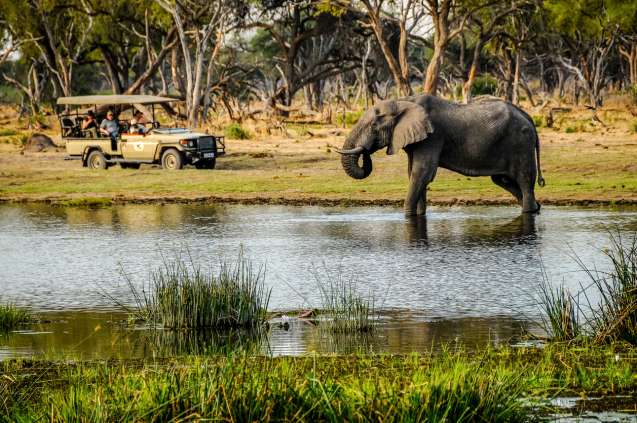
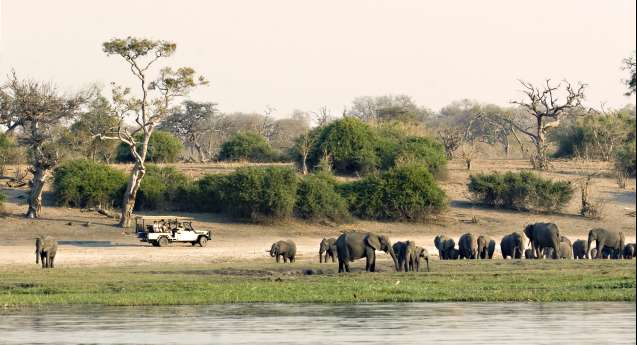
Botswana’s top wildlife areas, including the Okavango Delta, Moremi Game Reserve, and Chobe National Park, are extremely remote.
That remoteness is part of the magic. It is also the main safety consideration.
When booking your Botswana safari, remember to ask these important questions:
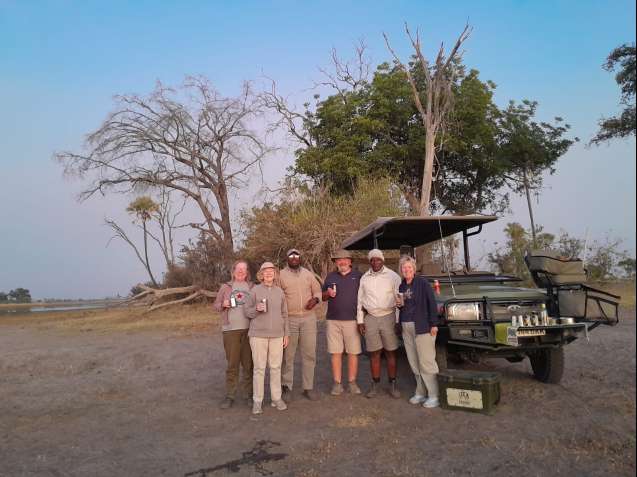
Established safari operators have evacuation protocols and satellite communications. Comprehensive travel insurance with medical evacuation cover is not only essential but mandatory.
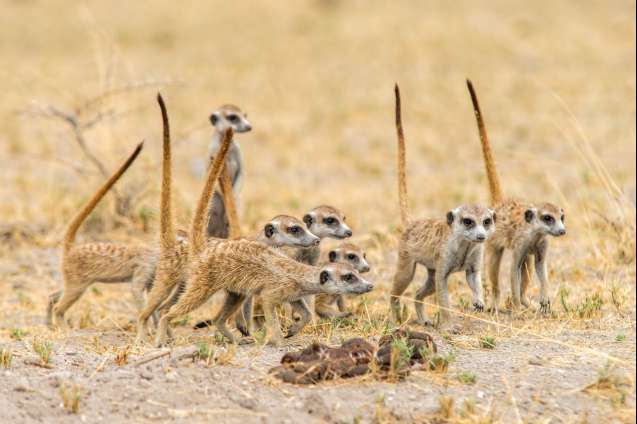
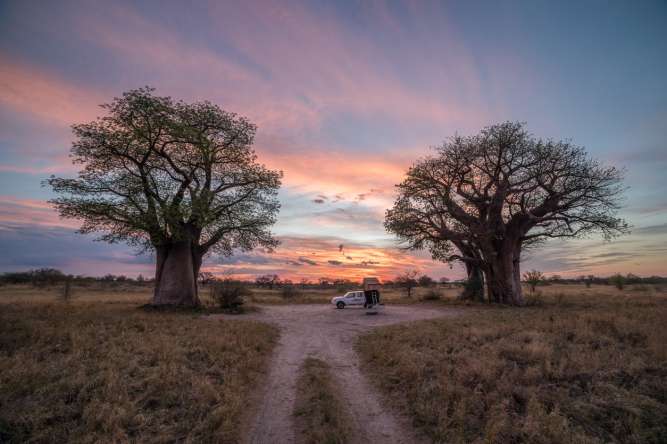
Yes, if you are experienced.
No, if you are overconfident.
Night driving outside towns significantly increases risk due to livestock and wildlife on roads.
If you do choose to self-drive, ensure that you have the following:
Botswana rewards preparation. It punishes complacency and arrogance. When self-driving, treat the experience with the respect that it deserves.
Want to travel stress-free? Book a Botswana safari with a reliable company that offers a knowledgeable guide, reliable vehicles, and an experienced team, so you can focus on the wildlife and stunning African landscapes.
-2512__medium.jpg)
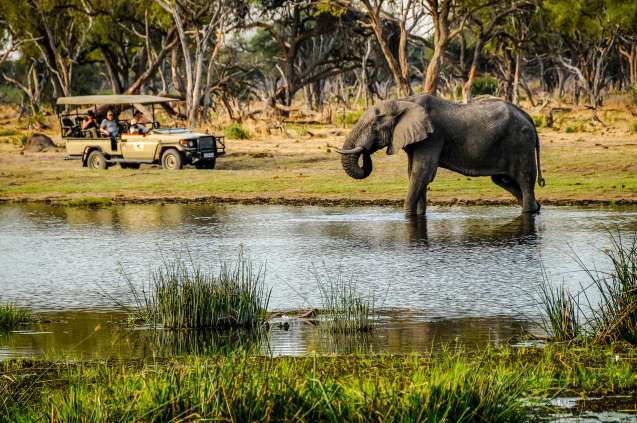
Many Botswana camps, especially in the Okavango Delta, are wild and unfenced.
That means:
Camp Safety Rules
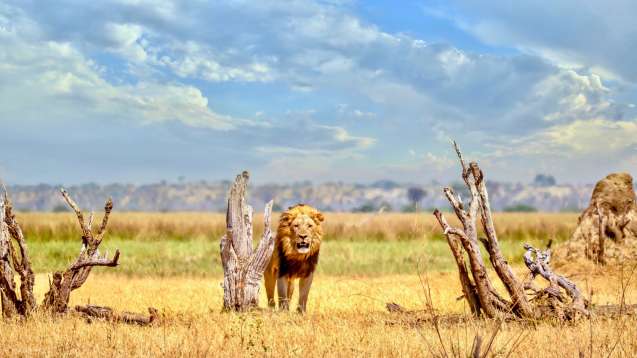
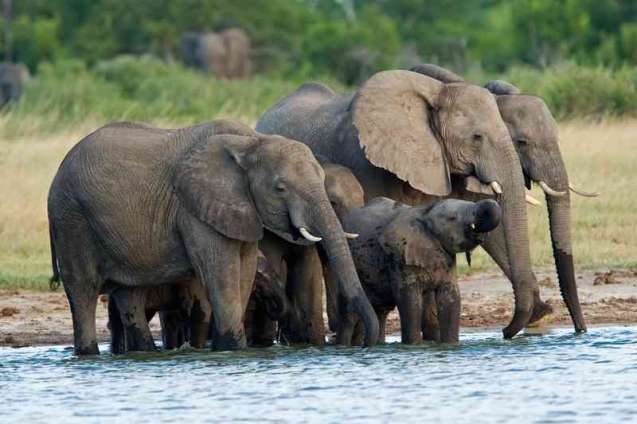
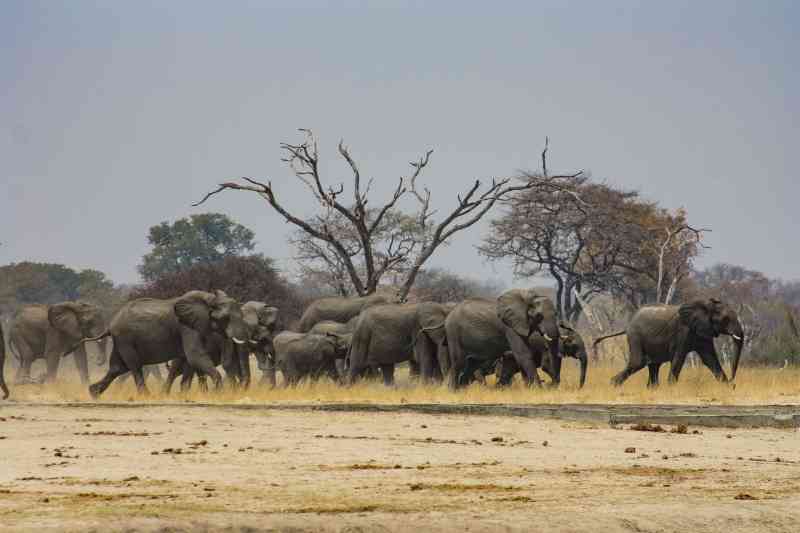
Wildlife safety is about awareness, not fear.
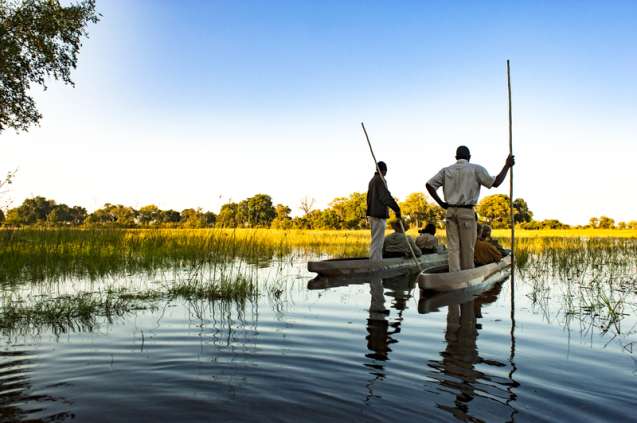
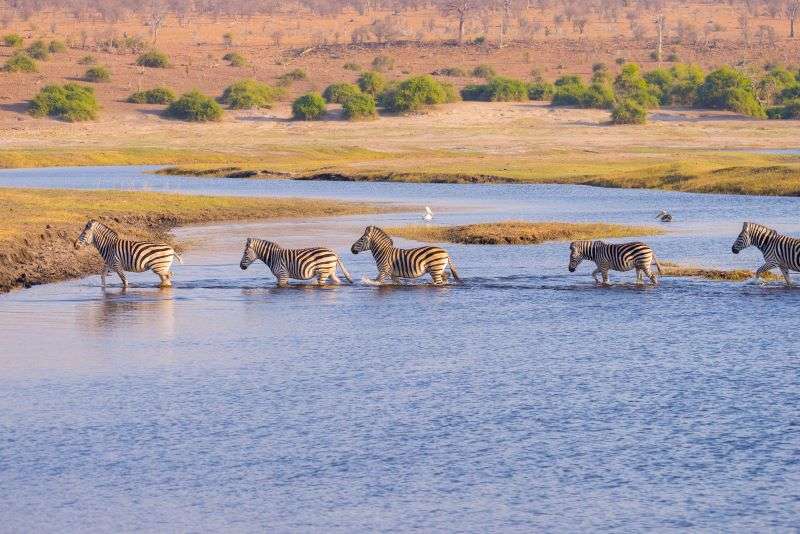
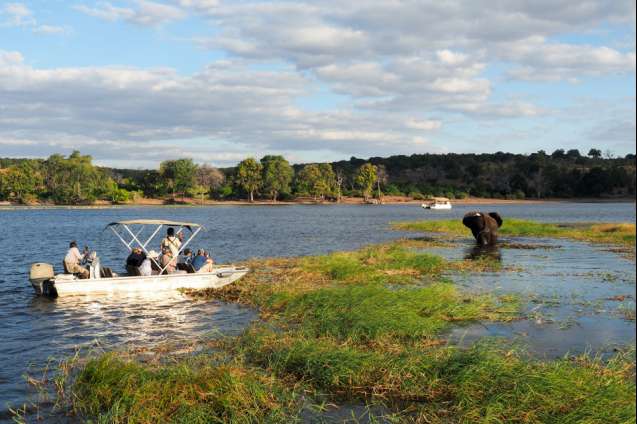
Water safaris in the Okavango Delta and along the Chobe River are professionally operated and considered safe.
Reputable operators will keep your safety front and centre. Keep an eye out for the following:
After mosquitoes, hippos are the most dangerous animal in Africa. Hippos are powerful animals, but incidents are rare when safety procedures are followed.
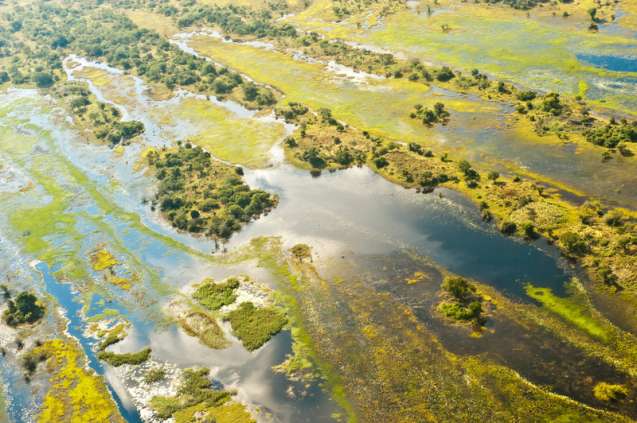
Botswana’s rainy season runs from roughly November to March. Travelling in the green season has some benefits but introduces the following risks:
During this period:
It’s advisable to have 4x4 experience or travel with a reputable company
__medium.jpg)
In Botswana, road accidents pose a greater risk than crime. Travelling long distances requires experience, concentration, and sensible decision-making.
Key hazards include:
The best precaution is to avoid driving at night outside major towns, which minimises most risks.
Solo female travellers: Yes, with standard urban awareness. Safari camps are secure and professionally run.
Families: Yes. Many camps cater to children, but wildlife awareness is essential.
Senior travellers: Yes, especially on fly-in safaris that minimise long transfers.
Photographers with expensive gear: Yes, but do not leave equipment visible in your car or unattended in towns.
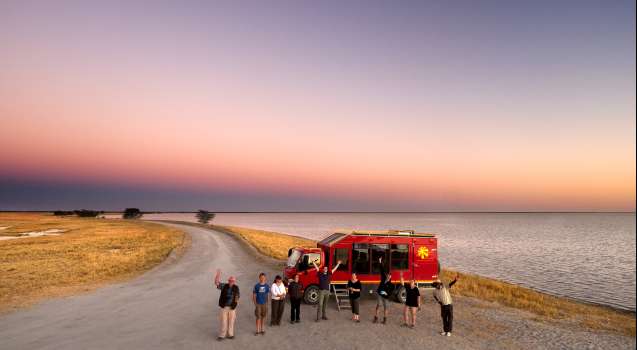
With common sense and a few extra precautions, most safety incidents are preventable.
These are the toll-free emergency service numbers in Botswana:
For most safari travellers in 2026, no.
Botswana is politically stable, tourism-regulated, and ranks highly for peacefulness. The real safety conversation is about preparation, planning, and respecting wildlife and road conditions.
If you’re unsure whether a self-drive, lodge safari, or fly-in itinerary is safest for your travel style, speak to an experienced safari consultant before booking. The right routing, vehicle choice, and seasonal timing make a significant difference.
Yes. Botswana remains one of Africa’s safest safari destinations.
The key is understanding that:
If you want honest, practical advice tailored to your travel dates, group type, and budget, contact an experienced safari consultant to design a safe and well-routed Botswana itinerary. Good planning turns a great safari into a safe one.
Explore these destinations mentioned in this post.
Below you'll find further reading and articles related or similar to this post.



Call us toll free from US/Canada on 1-888-414-6513, or from the UK on 0-808-189-1052. All other countries can contact us on +27 21 791 0878.
© 2026 African Budget Safaris | Privacy | Terms | Cookie Policy | Consent Preferences


tours_through_moremi_game_reserve__thumb.jpg)
__thumb.jpg)





__medium.jpg)


__large.jpg)