What is it really like to book a Kenya and Tanzania safari that combines big wildlife, cultural experiences, comfortable lodges, long travel days, and the legendary Masai Mara and Serengeti?
We recently received detailed feedback from travellers Cyndi Davies Wong and Paul Davies after their 15-day Kenya & Tanzania Safari with African Budget Safaris and our local safari partners. Their report is exactly the kind of first-hand safari insight we love: honest, practical, full of useful packing tips, and packed with the small moments that make East Africa so memorable.
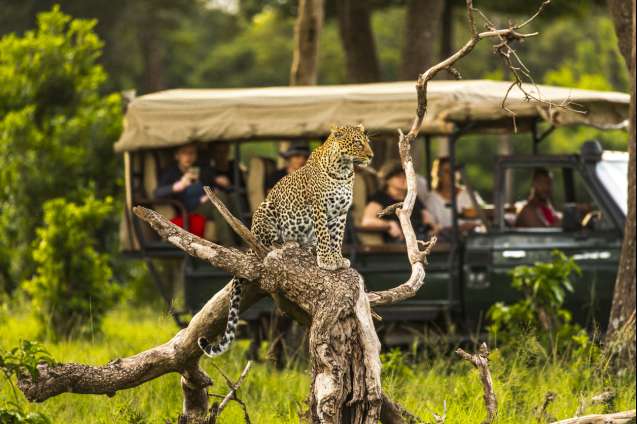
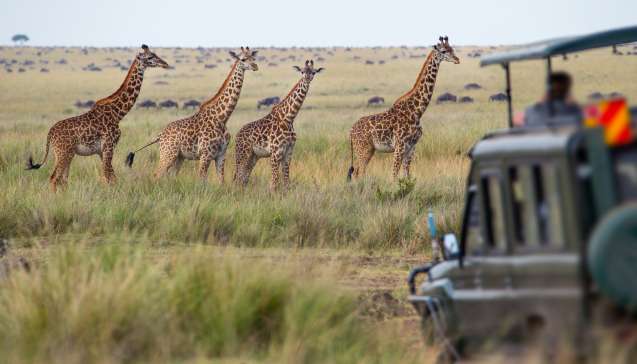
This was not just a tick-the-box Big Five safari. Their journey included the Masai Mara, Lake Naivasha, Amboseli, Moshi, Olpopongi Maasai Cultural Village, Lake Manyara, Serengeti National Park, Ngorongoro Crater, and Tarangire. Along the way, they saw lions, elephants, rhinos, cheetahs, wildebeest herds, prolific birdlife, Mount Kilimanjaro views, Maasai cultural experiences, a Chagga coffee farm, and the wild soundtrack of the Serengeti at night.
For anyone planning to book a Kenya and Tanzania safari, this real traveller review gives a useful behind-the-scenes look at what matters most: expert guides, realistic pacing, good lodge choices, cultural authenticity, practical packing, and knowing what kind of safari experience suits you best.
View this 15 Day Kenya & Tanzania Cultural and Wildlife Lodge Safari or speak to an African Budget Safaris expert for help choosing the right East Africa safari for your travel dates, budget, and comfort level.
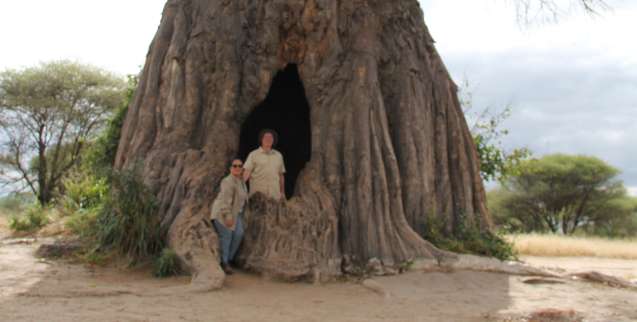
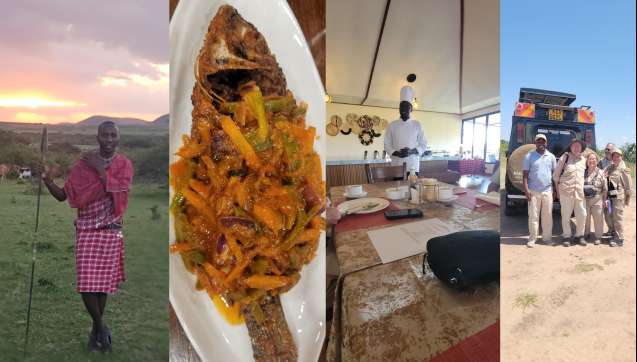
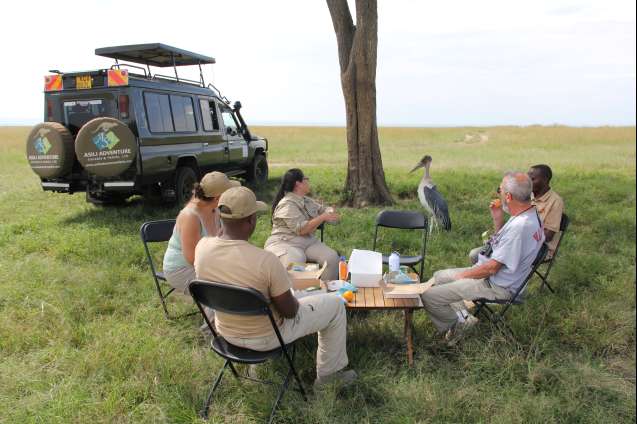
*All of the images in this blog were supplied courtesy of Cyndi and Paul.
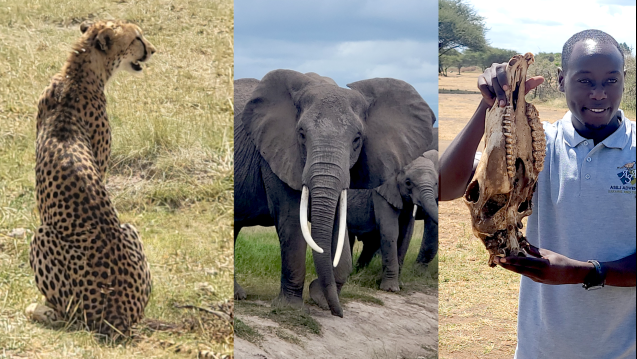
Kenya and Tanzania are two of Africa’s most famous safari destinations, and for good reason. Combining them gives travellers access to some of East Africa’s most iconic wildlife areas, including the Masai Mara, Serengeti, Amboseli National Park and the Ngorongoro Crater. It also adds variety: open plains, crater landscapes, lakes, coffee farms, cultural villages, elephant country, big cat territory, and classic tented safari camps.
But a great safari is not only about the route. As Cyndi and Paul’s feedback makes very clear, the success of a safari often comes down to the people guiding it.
“The expertise of the guide is paramount; it is impossible to overstate how vital their role is as the single most critical factor in the success of a safari.”
That is a big statement, and we agree with it completely. A well-planned Kenya and Tanzania safari gets you to the right parks, but a great guide turns those parks into a living, breathing story.
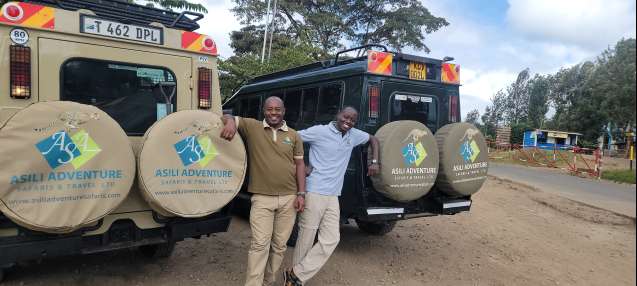
On the Kenya leg, the travellers were guided by Lawince Kireu, who made a lasting impression with his wildlife knowledge, tracking ability and deep respect for the animals.
“Lawince shared a deep reverence for the wildlife and a genuine passion for explaining their habits and habitats. His expertise in the Maasai Mara was incredible, from tracking wildlife to seamlessly adjusting our daily itinerary based on recent sightings and our group’s interests.”
That flexibility is one of the reasons guided safaris are so valuable, especially in wildlife-rich areas like the Masai Mara and Serengeti. Nature does not run on a timetable. Lions do not check your itinerary before deciding where to nap. Elephants will go wherever elephants please, because, frankly, who is going to argue?
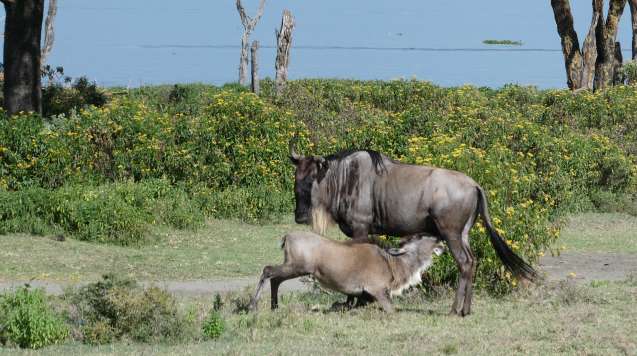
A good guide reads the landscape in real time. According to the report, Lawince could spot wildlife while navigating difficult roads, often seeing animals that guests missed even with binoculars. He also kept the group informed about what to expect each day and adjusted the safari pace to suit the travellers.
In Tanzania, Clever Mmari brought a different but equally valuable skill set. His knowledge extended beyond big animals into birds, plants, local traditions, and cultural interpretation.
“Clever was our walking Google. He knew every botanical element by its English common name, its scientific name, and exactly how the Maasai and other local tribes utilize them in daily life.”
For travellers booking a cultural and wildlife safari in East Africa, this matters. A guide like this helps connect the dots between landscapes, people, plants, wildlife, and history. The result is a richer safari, not just a longer list of animals seen.
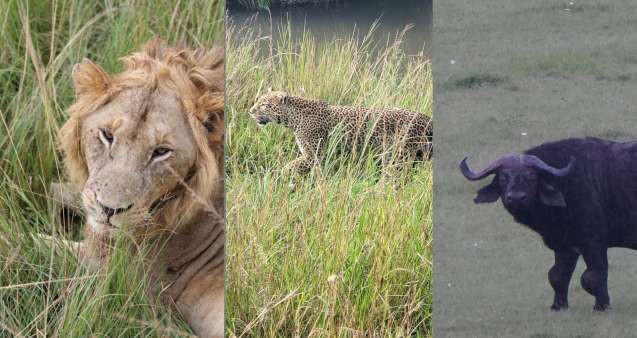
Cyndi and Paul approached their safari with a wonderfully healthy attitude: whatever they saw would be a gift. As it turned out, East Africa was feeling generous.
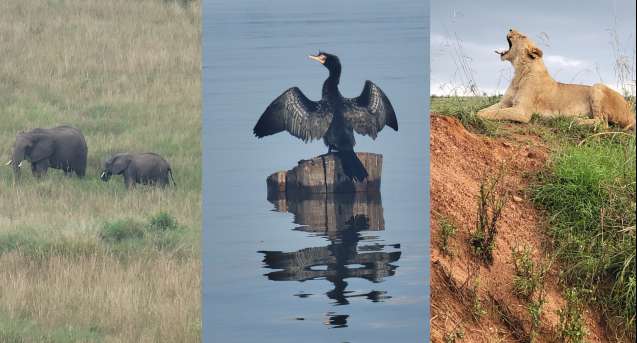
“Successfully saw the Big Five (lion, leopard, elephant, rhino, and cape buffalo) numerous times in various settings, and the ugly five (wildebeest, warthog, spotted hyena, marabou stork, and vulture). We had incredible cheetah sightings, vast herds of elephants, and prolific birdlife. And so much more…”
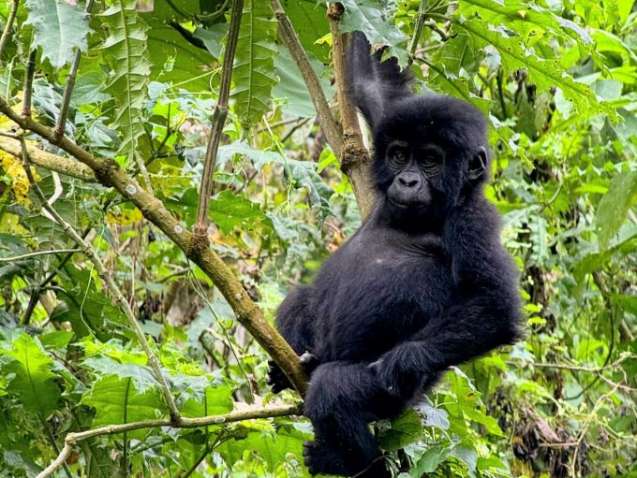
Their wildlife sightings included lions, leopards, elephants, rhinos, Cape buffalo, cheetahs, hippos, zebras, wildebeest, warthogs, hyenas, vultures, marabou storks, and a wide range of birds. For first-time safari travellers, this is one of the big reasons to consider a Kenya and Tanzania safari: the wildlife variety is exceptional, and the landscapes are some of the most recognisable in Africa.
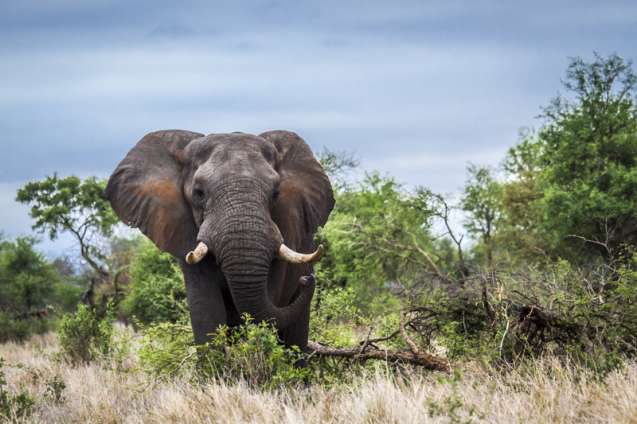
On their Masai Mara safari, their first sightings included zebras coming down to water near camp, followed by a memorable hot-air balloon safari over the Mara and sightings of an elephant mother and calf. In Amboseli, Mount Kilimanjaro appeared in the morning with elephants in the foreground, one of East Africa’s classic safari scenes.
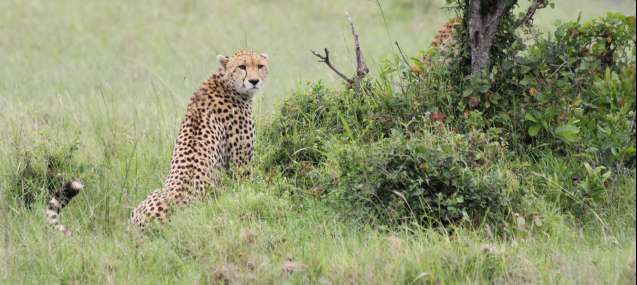
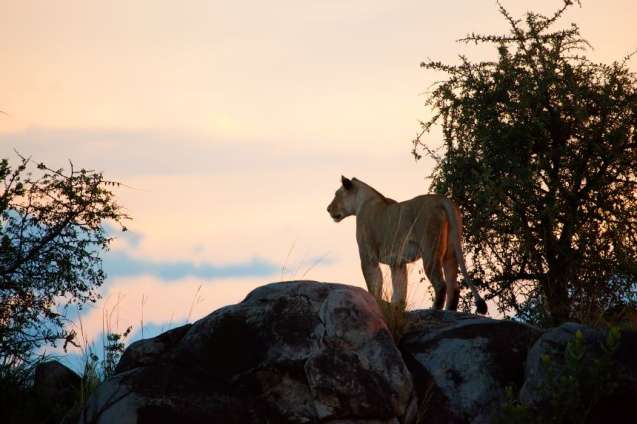
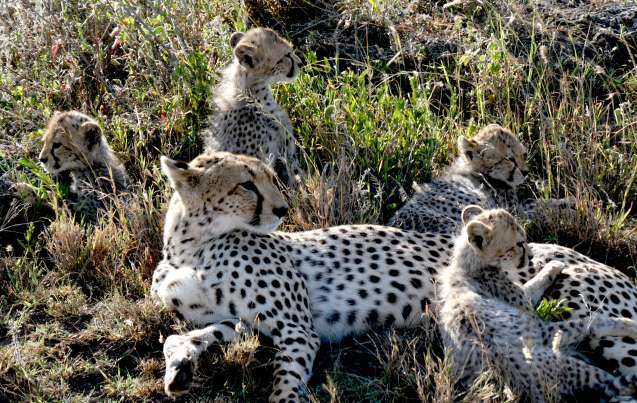
Their Serengeti safari delivered some of the biggest drama. The travellers described arriving at camp after a golden sunset with a bull elephant in the foreground, then exploring granite kopjes and finding something even better than the lions they were looking for: a mother cheetah resting with five fuzzy cubs in the grass.
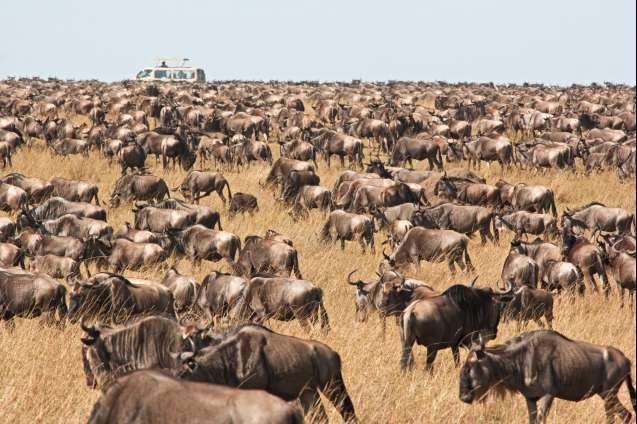
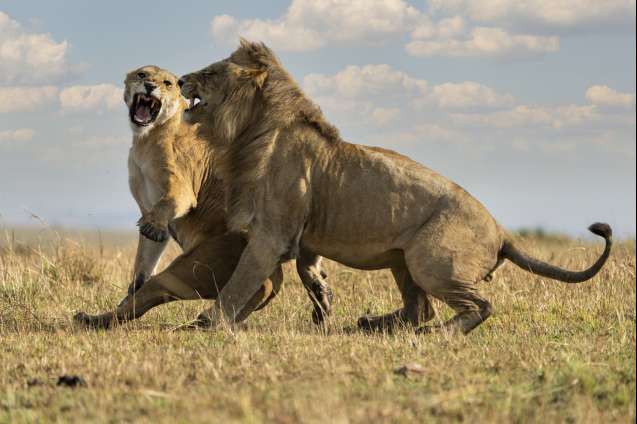
On another day, the wildlife sightings included lions lounging in the branches of an old acacia tree, thousands of wildebeest and zebras gathering in a moving sea, and a snorting bloat of hippos cooling off in a mud pool.
“The true magic, however, came at night. Zipped safely inside our luxury tent, the absolute wilderness surrounded us.”
That is the part of the safari that is hardest to explain until you have experienced it. The game drives are thrilling, yes. But lying safely in a tented camp, listening to lions, hyenas, and the wind moving through the acacias, is often the moment that stays with you long after you get home.
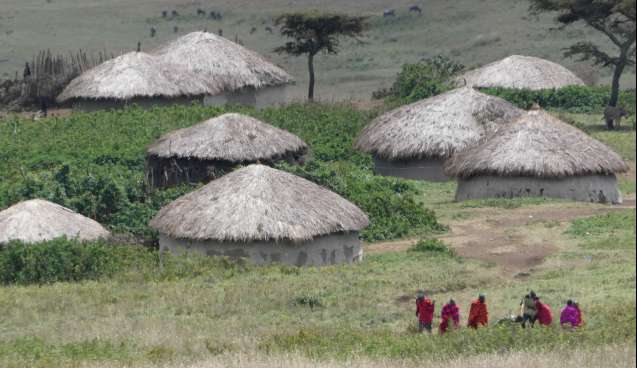
One of the strengths of this Kenya and Tanzania safari is that it does not focus only on game drives. The itinerary includes cultural stops that add meaning and variety to the journey, especially for travellers who want a deeper sense of East Africa beyond the national parks.
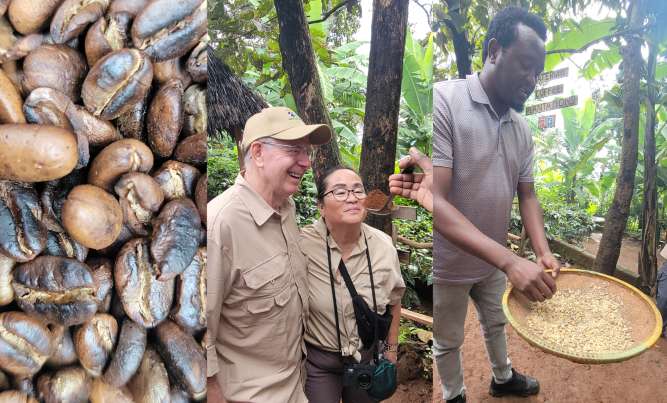
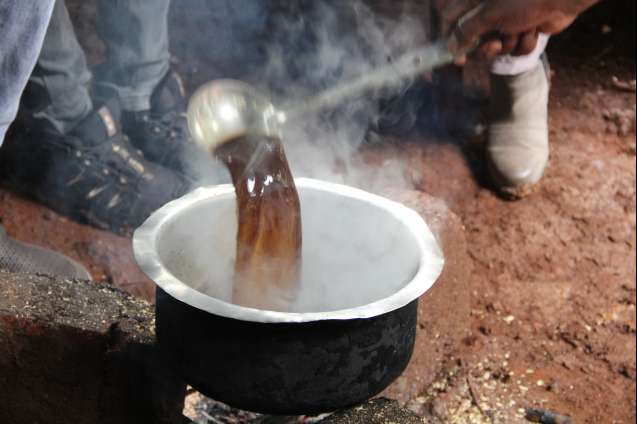
At the Chagga coffee farm near Moshi, the travellers enjoyed local food, singing and a hands-on introduction to the coffee process, from green bean to roasting and tasting. This kind of experience is a welcome change of pace after several days of early starts and wildlife drives, and it helps break up the overland journey between major safari areas.
The Olpopongi Maasai Cultural Village was one of the standout experiences of the trip.
“Everything about this unique cultural experience was outstanding, from the Maasai singing and dancing… to the bush experience with the Maasai and learning about the culture and traditions.”
They also described sleeping in an enkaji in the boma homestead, sharing tea, meeting a 112-year-old grandmother, and learning about Maasai traditions in a setting that felt personal and memorable.
For travellers comparing East Africa safari tours, this is an important distinction. Some itineraries are almost entirely wildlife-focused, while others include cultural experiences, local food, village visits, coffee farms or community interactions.
Neither is better for everyone. The right choice depends on whether you want a pure wildlife safari or a broader East African journey with culture, landscapes and local experiences woven in.
If your dream safari is all wildlife, all the time, a shorter Masai Mara and Serengeti safari may be enough. But if you want a broader East African journey with wildlife, landscapes, culture, and time to absorb the region properly, a longer Kenya and Tanzania lodge safari can offer much better depth.
Accommodation can make or break a safari, especially on a longer itinerary. This trip used a mix of hotels, tented camps, safari lodges and cultural accommodation, giving the travellers a good range of experiences.
In Nairobi, the Best Western Meridian Hotel worked well as a safe and comfortable landing pad before the safari began. This matters more than many travellers realise. A good first night allows you to recover from international travel, meet your guide, ask questions, and start the safari feeling settled rather than scrambled.
In the Masai Mara, Enkorok Mara Camp was described as “pure luxury close to nature,” with well-appointed tents, veranda seating, hot and cold water in the room, lanterns for walking to communal areas, and Maasai safety escorts at night.
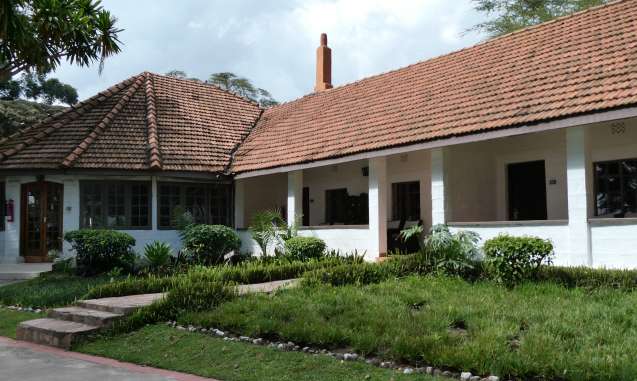
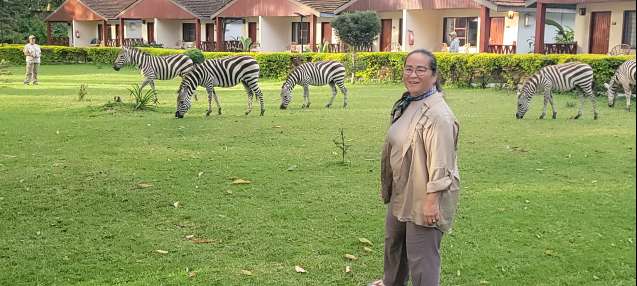
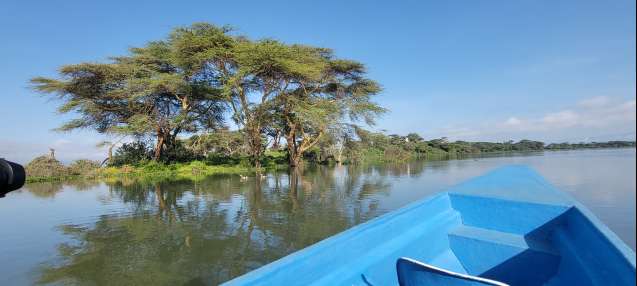
At Lake Naivasha Country Club, the travellers enjoyed a vintage safari feel, wandering the grounds alongside zebras, waterbucks, vervet monkeys and ibises. Their boat trip to Crescent Island was a birding highlight and added a softer, scenic contrast to the big game areas.
Amboseli Sentrim offered comfortable glamping, en suite bathrooms, laundry service, and those famous Kilimanjaro views. In the Serengeti, Tukaone Camp delivered the classic tented safari experience: canvas comfort in a wild setting, close enough to hear the night come alive around camp.
This is one of the advantages of booking a well-structured lodge safari in Kenya and Tanzania. You still get the wild feeling of being close to nature, but with enough comfort to keep the trip enjoyable over two weeks. For many travellers, especially first-time safari-goers, this balance is the sweet spot.
One of the most useful practical comments in the client report was about the daily safari structure. Cyndi and Paul noted that full-day game drives with packed or hot lunches can often be more efficient than returning to the lodge between separate morning and afternoon drives.
This is a helpful safari booking tip. In large parks like the Masai Mara and Serengeti, distances can be significant. Returning to camp for lunch may sound appealing, but it can mean spending prime wildlife-viewing time in transit. A full-day drive gives the guide more freedom to follow sightings, explore further, and make the most of changing wildlife conditions.
That said, this is not a one-size-fits-all rule. Families with younger children, older travellers, or anyone who needs more downtime may prefer the rhythm of morning and afternoon drives with a proper lodge break. This is where speaking to a safari expert before booking is useful. The best safari is not simply the one with the most famous parks. It is the one with the right pace for you.
The client report included an excellent “what worked, what didn’t” packing section. These tips are especially useful for travellers booking a Kenya and Tanzania safari for the first time.
High-quality binoculars were one of their top recommendations. They used Nikon ProStaff P7 8x42 binoculars and recommended bringing a protective dust cover. On safari, binoculars are not just for distant animals. They help you see bird details, lion cubs in grass, leopards in trees, and all the small dramas unfolding beyond the road.
Safari roads are dusty, especially in open vehicles and dry-season conditions. The travellers recommended bringing a good camera, dust cover, lens wipes and a dust blower. Their advice was simple and sensible: wipe down your gear every night.
Lightweight long-sleeve shirts, convertible pants and quick-dry fabrics worked well. These are practical for sun protection, insects and easy washing. They also found that lightweight layers and a windbreaker were more useful than a bulky puffer jacket for this itinerary.
Broken-in hiking shoes or boots were recommended for comfort and support. This does not mean you need heavy mountaineering boots for a lodge safari, but you do want footwear that can handle uneven ground, dusty paths and short walks without causing blisters.
The travellers used lodge laundry services and suggested submitting items on the first night of a two-night stay to improve the chance of getting everything back in time. This is excellent advice for longer safaris, where overpacking can become a nuisance.
One thing they wished they had packed was a large, lightweight, waterproof duffel bag. Their friends’ duffels performed better than standard canvas bags because they were more flexible and lighter.
According to their report, all accommodations provided quality mosquito netting over the beds, so there was no need to pack their own.
This 15-day Kenya and Tanzania safari is best suited to travellers who want a rich, varied East African safari without going ultra-luxury. It works especially well for first-time safari travellers who want to see the famous parks, increase their chances of major wildlife sightings, and include cultural experiences along the way.
It is also a good fit for travellers who want comfortable accommodation but still want the atmosphere of tented camps and wild settings. The route includes long travel days and several different stops, so it suits people who enjoy moving through landscapes rather than staying in one lodge for a week.
This may not be the best fit for travellers who want a very slow safari pace, a fly-in luxury experience, or minimal road travel. East Africa rewards movement, but that movement takes time. If you prefer fewer transfers, more downtime, and shorter drives, ask an African Budget Safaris consultant to help you compare this with a shorter or more lodge-focused itinerary.
The biggest takeaway from this Kenya and Tanzania safari review is that the right safari is built from many parts. The famous destinations matter, of course. Masai Mara, Serengeti, Amboseli, and Ngorongoro are famous for a reason. But the guide, pacing, accommodation, route design, and small cultural details are what turn a good safari into a great one.
Cyndi and Paul’s report also shows the value of booking through people who know the safari on the ground. A well-matched safari should answer practical questions before you travel: How long are the drives? What is the accommodation really like? Is the itinerary too rushed? How much wildlife time do you get? Are cultural experiences included? What should you pack? What kind of traveller is this trip best suited to?
Their final message summed it up beautifully: it was an unforgettable adventure, and they appreciated the coordination that made the whole safari feel seamless.
“It was an unforgettable adventure, and we appreciate all the coordination that went into making it seamless. Thank you [...] African Budget Safaris for the most memorable life experience!”
If you are dreaming of a Masai Mara and Serengeti safari, this 15-day Kenya & Tanzania Cultural and Wildlife Lodge Safari is a strong option for travellers who want big wildlife, cultural depth, comfortable lodges and expert local guiding in one well-planned East Africa route.
You can view the full 15 Day Kenya & Tanzania Safari itinerary here, or contact African Budget Safaris for friendly, practical advice on the best safari for your budget, travel dates and wish list.
Not sure whether to choose Kenya, Tanzania, or both? Chat to one of our safari experts. We will help you compare routes, prices, comfort levels and travel styles, without the pushy sales routine. Just honest safari advice from people who know Africa and love helping travellers get it right.
Explore these destinations mentioned in this post.
Below you'll find further reading and articles related or similar to this post.




Call us toll free from US/Canada on 1-888-414-6513, or from the UK on 0-808-189-1052. All other countries can contact us on +27 21 791 0878.
© 2026 African Budget Safaris | Privacy | Terms | Cookie Policy | Consent Preferences

tours_through_tarangire_national_park__thumb.jpg)