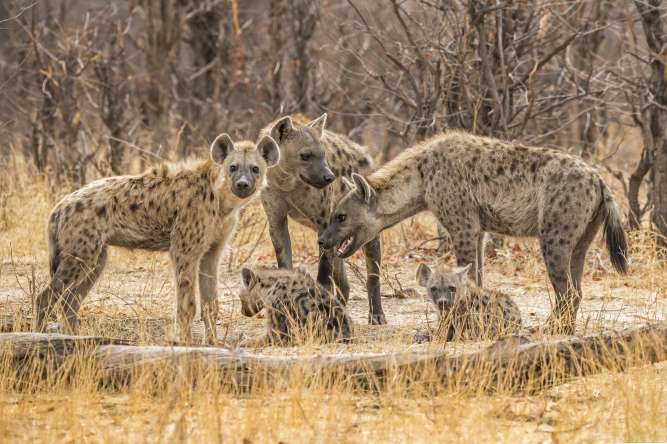
If you’ve ever heard a hyena “laugh” on safari, you’ll never forget it. Immortalised by Shenzi, Banzai, and Ed, the eerie, rising giggle of the spotted hyena drifting across the savannah at dusk is one of Africa’s most distinctive wildlife sounds.
Among Africa’s four hyena species, the spotted hyena has the most complex vocal repertoire. Understanding why hyenas laugh gives you a deeper appreciation of one of Africa’s most intelligent and successful predators on your African safari.
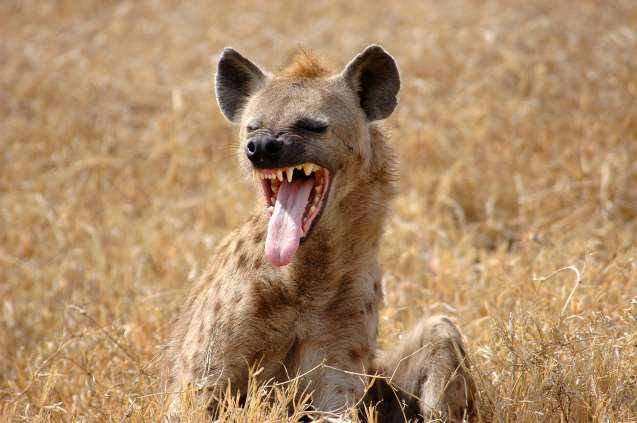
The famous hyena “laugh” is actually a high-pitched vocalisation used during moments of excitement, stress, tension, or social conflict.
Most commonly, it’s heard when:
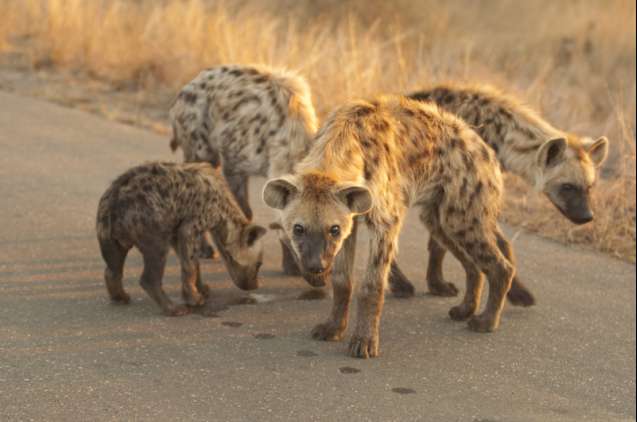
The pitch and tone of calls can even reveal age and social rank. In other words, that “laugh” is part of a sophisticated communication system inside a complex clan structure.
Far from being simple scavengers, hyenas are highly social carnivores with advanced intelligence and cooperative hunting skills.
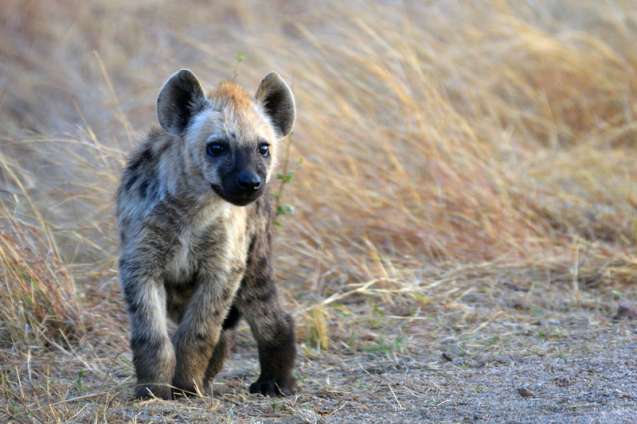
The spotted hyena (Crocuta crocuta) has one of the most complex vocal repertoires of any carnivore. Scientists recognise at least 11 distinct calls, possibly as many as 28. That range reflects their intelligence and tightly structured social clans.
For safari travellers, hearing these calls after dark adds another layer to the experience. Hyena communication is not random noise; it’s a sophisticated social language playing out across the African night.
__medium.jpeg)
Despite their dog-like appearance, hyenas are not members of the dog family.
Hyenas belong to the family Hyaenidae, while dogs, wolves, and jackals belong to Canidae.
Here’s the key distinction:
That crushing jaw allows hyenas to consume nearly every part of a carcass, including bone, giving them a critical ecological role as nature’s clean-up crew.
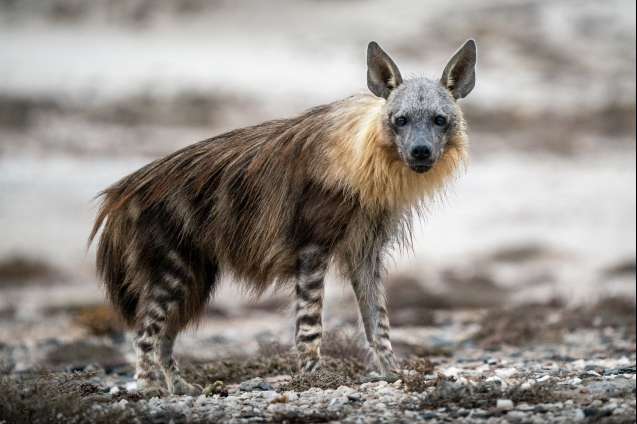
| Species | Scientific Name | Where to See Them |
|---|---|---|
| Spotted Hyena | Crocuta crocuta | East Africa (Serengeti, Masai Mara), southern Africa (Kruger, Okavango Delta) |
| Striped Hyena | Hyaena hyaena | Ethiopia, Kenya (northern regions), Tanzania, North Africa |
| Brown Hyena | Parahyaena brunnea | Namibia (Etosha, Skeleton Coast), Botswana (Kalahari) |
| Aardwolf* | Proteles cristata | Southern & East Africa, including South Africa and Tanzania |
*Yes, the aardwolf is technically a hyena, although it feeds almost exclusively on termites.
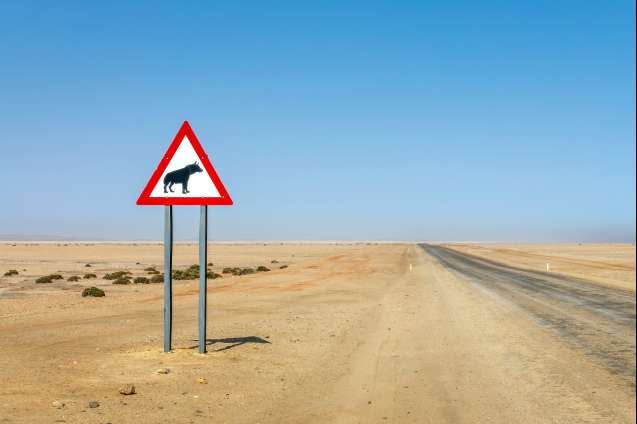
If hyenas are on your wildlife wish list, timing and destination matter.
The Serengeti National Park and Masai Mara National Reserve offer some of the best spotted hyena sightings in Africa.
Why?
Because abundant prey supports large clans, and open plains make them easier to observe.
Hyena sightings peak during the great migration when competition over carcasses intensifies.
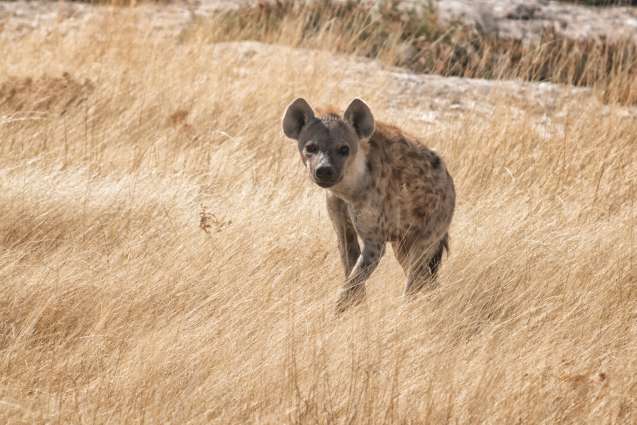
In Kruger National Park and the Okavango Delta, spotted hyenas are frequently seen on game drives and sometimes heard calling at night from camp.
For brown hyenas, head to Etosha National Park or the Kalahari regions of Namibia and Botswana.
If you want to see aardwolves, late-night drives in South Africa’s private reserves, like Sabi Sands, can be surprisingly productive.
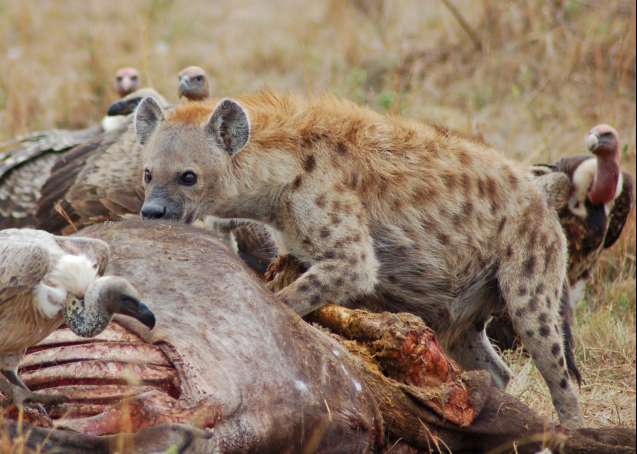
Like any wild predator, hyenas demand respect. However, attacks on tourists in safari environments are extremely rare.
Most incidents occur only when animals become habituated to human food or are provoked. On a guided safari with experienced rangers, sightings are safe and controlled.
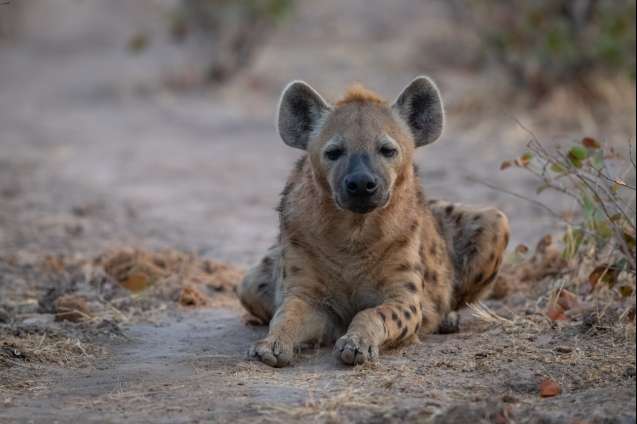
Research shows hyenas outperform some primates in problem-solving tasks. Their social structure rivals that of wolves, and their coordination during hunts is highly strategic.
Next time you hear that “laugh” echo across the plains, you’ll know it’s not mockery. It’s clan politics, survival, and communication in action.
If you want front-row access to Africa’s predators, including hyenas, consider:
Hyenas may be misunderstood, but on safari, they’re unforgettable.
Hyenas are nocturnal, and night is peak feeding and hunting time. The “laugh” signals tension, submission, or excitement around food.
The loud, cackling “laugh” is primarily associated with spotted hyenas.
Individually, no. But in large clans, hyenas can outcompete lions for food.
Both. In many ecosystems, they hunt the majority of their own prey but will happily steal a meal from leopards, lions, or cheetahs.
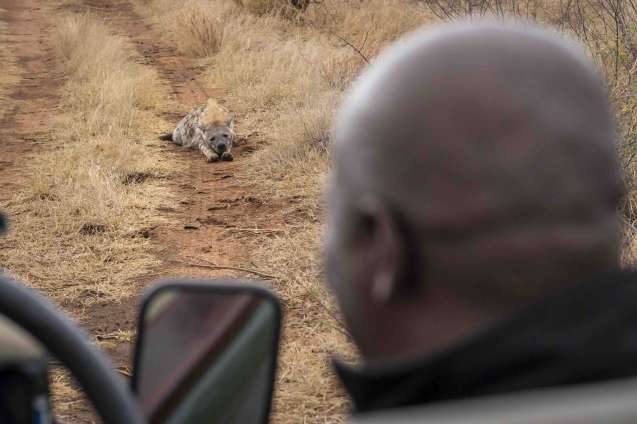
From the Great Migration plains of Tanzania and Kenya to Kruger and Etosha, Africa offers remarkable opportunities to observe these intelligent predators in action.
Talk to one of African Budget Safaris' experienced safari consultants and plan your safari around predator-rich regions to see lions, leopard, wild dogs, and hyenas!

Explore these destinations mentioned in this post.
Below you'll find further reading and articles related or similar to this post.




Call us toll free from US/Canada on 1-888-414-6513, or from the UK on 0-808-189-1052. All other countries can contact us on +27 21 791 0878.
© 2026 African Budget Safaris | Privacy | Terms | Cookie Policy | Consent Preferences

tours_through_moremi_game_reserve__thumb.jpg)

__thumb.jpg)
__large__thumb.jpg)