__banner.jpeg)
Planning your first safari in Africa is thrilling, slightly overwhelming, and often clouded by one big question. Where on earth do you start?
Africa is not a single safari experience. It is 50-plus countries, wildly different landscapes, and safari styles that range from budget camping to honeymoon-level luxury.
For first-time visitors, the smartest choice is not the most exotic-sounding destination, but the one that delivers reliable wildlife sightings, good infrastructure, sensible costs, and low-stress logistics.
This updated 2026 guide focuses on exactly that.
It’s written for first-time safari travellers who want maximum wildlife, good value for money, and a smooth introduction to African travel.
Let’s get started…
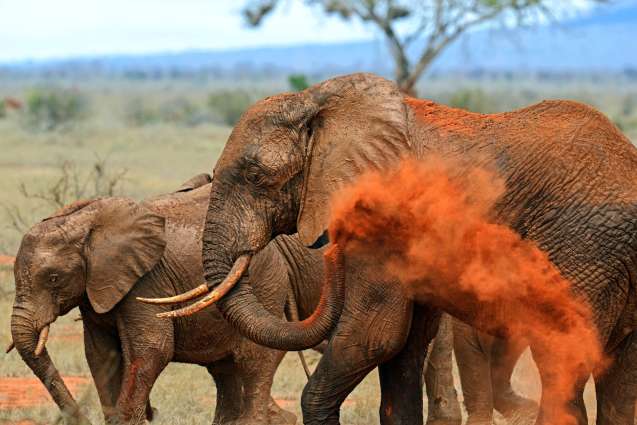
Choosing the best first safari destination in Africa is less about ticking off the most famous name and more about finding the place that delivers wildlife, value, and ease in equal measure.
For first-time safari visitors in 2026, the smartest destinations are those with reliable animal sightings, well-developed tourism infrastructure, professional guiding standards, and a wide range of accommodation options to suit different budgets.
The countries below consistently stand out for first-timers because they remove much of the guesswork.
They offer high chances of seeing iconic wildlife like lions, elephants, and giraffes, while keeping travel logistics straightforward and costs predictable.
Whether you want a flexible self-drive safari, a classic Big 5 safari experience, or an all-inclusive guided adventure, these destinations provide a smooth and rewarding introduction to African safaris in 2026.
They are not just popular because they are well-known. They are popular because they work.
| Factor | Why it matters on your first safari | |
|---|---|---|
|
Wildlife density |
High wildlife density increases your chances of regular sightings, helping ensure your first safari feels exciting and rewarding rather than quiet or unpredictable. | |
|
Infrastructure |
Good roads, reliable lodges, and efficient internal flights reduce travel fatigue and make the experience far less daunting for first-time visitors. | |
|
Cost control |
Clear, all-inclusive pricing helps you budget accurately and avoids unexpected extras once you arrive, which is especially important on your first safari. | |
|
Safety |
|
|
|
Logistics |
Short transfer times and well-planned routes mean you spend more time on game drives and less time travelling between camps. |
__medium.jpg)
South Africa, Kenya, and Tanzania consistently rank among the best safari destinations in Africa for a first safari, and with good reason.
These countries combine outstanding wildlife viewing with long-established safari circuits, experienced professional guides, and tourism infrastructure that makes travelling straightforward for first-time visitors.
Botswana also earns a place on this list for travellers with a slightly higher budget who value space, privacy, and a more exclusive safari experience.
Its low-volume tourism model delivers exceptional wildlife encounters with fewer vehicles and a stronger sense of wilderness.
Together, these destinations provide the most reliable introduction to African safaris, offering accommodation options that range from affordable camps to high-end lodges, ensuring a suitable choice for almost every travel style and budget.
__medium.jpg)
| Destination | Typical daily cost pp | Best for | |
|---|---|---|---|
|
South Africa (Kruger area) |
|
Best value, flexibility | |
|
Kenya (Masai Mara) |
|
Classic safari, migration | |
|
Tanzania (Serengeti) |
|
|
|
|
Botswana |
|
Exclusive, uncrowded safaris |
*Costs were accurate at the time of writing, are per person per day, including accommodation, game drives, park fees, and most meals. Flights are not included.
As budget travel blogger and safari lover Steph Parker explains, “First-time travellers often overestimate how expensive a safari has to be. South Africa and Kenya still deliver world-class wildlife without world-class prices.”
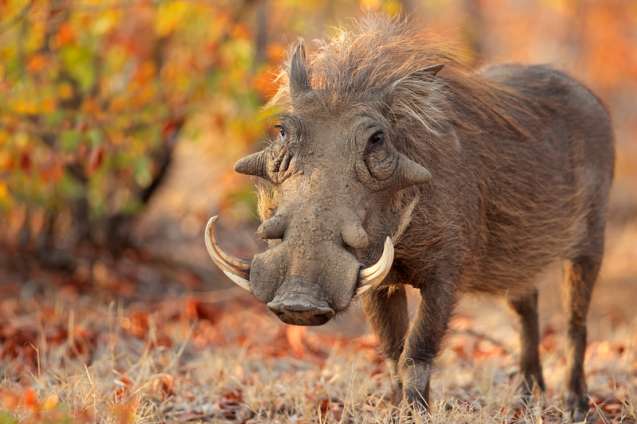
These are the best safari destinations for first-time travellers seeking wildlife and adventure.
South Africa remains the most beginner-friendly safari destination in Africa and is often the easiest place to experience your first safari with confidence.
Combining excellent wildlife viewing with modern infrastructure, reliable transport links, and flexible travel styles makes it especially appealing to first-time visitors.
Kruger National Park is the country’s safari centrepiece.
As one of Africa’s largest and most established game reserves, it delivers consistently strong sightings of the Big 5, often within the first day of game driving.
Well-maintained roads, a wide range of accommodation options, and experienced guides mean you can tailor your safari to suit both your budget and comfort level, without sacrificing the quality of the wildlife experience.
For many travellers, South Africa sets the perfect benchmark for a first African safari, balancing ease, value, and unforgettable encounters in the wild.
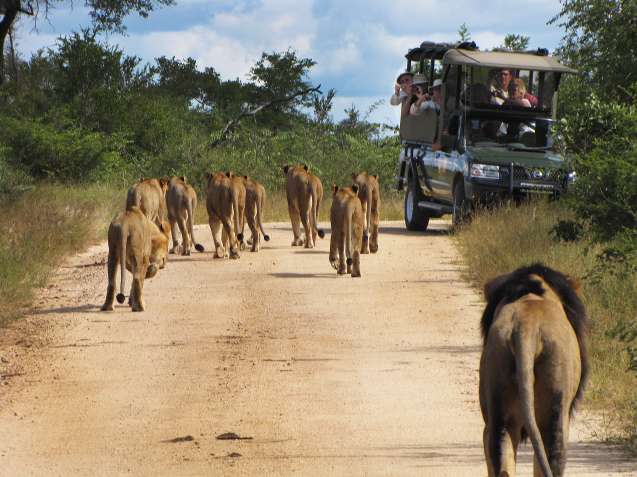
Kruger is uniquely flexible.
You can self-drive, join guided game drives, camp, or stay in private reserves bordering the park.
Roads are well-maintained, signage is clear, and the park is supported by an extensive network of rest camps and lodges.
English is widely spoken, medical facilities are excellent, and South Africa has one of Africa’s strongest tourism infrastructures.
South Africa has some of the best safari infrastructure in Africa, which makes it especially appealing for first-time visitors.
Roads within and around major safari areas like Kruger National Park are well maintained, accommodation standards are consistently high, and services such as fuel stations, shops, and medical facilities are easy to access.
Lodges and camps operate to clear standards, and the country’s long-established tourism industry means systems generally run smoothly, reducing the uncertainty that can sometimes accompany a first safari experience.
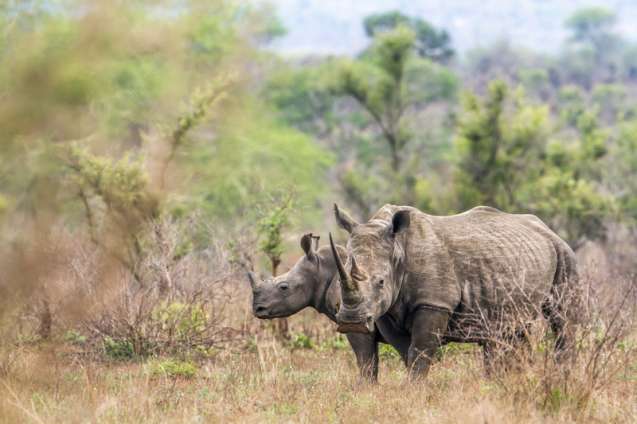
Compared to East Africa, South Africa offers noticeably lower costs for accommodation and transport.
You can enjoy high-quality lodges, excellent food, and knowledgeable guides without premium pricing.
Many first-time safari travellers choose South Africa because it allows them to stretch their budget further or extend their trip with Cape Town, the Garden Route, or wine regions either before Kruger or afterwards.
South Africa is also one of the most accessible safari destinations in Africa.
International flights arrive into major hubs like Johannesburg and Cape Town, with frequent onward connections to safari regions by road or short domestic flights.
For travellers coming from Europe, Australia, and North America, flight availability is excellent, and for European travellers especially, time differences are minimal, which helps reduce travel fatigue.
Clear entry requirements, good English language use, and reliable transport options usually make the journey to South Africa your first safari straightforward from start to finish.
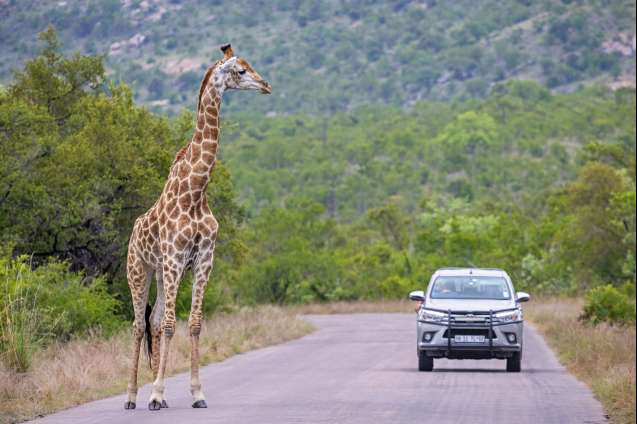
Kruger National Park is one of the very few places in Africa where self-drive safaris are genuinely realistic and safe for visitors, even for those on their first safari.
The park has well-maintained roads, clear signage, regular rest camps, and strict speed and safety regulations, which make navigating the reserve far less intimidating than in many other safari destinations.
Kruger's unique setup is ideal for independent travellers who are looking for loads of activities, want flexibility, and control over their itinerary.
You can set your own pace, stop when something catches your eye, linger at waterholes, or head back early for lunch without being tied to a group schedule.
It also makes Kruger one of the most budget-friendly safari options in Africa, as you avoid the cost of a private guide or vehicle.
That said, guided game drives still have a clear advantage when it comes to wildlife spotting, particularly for predators like leopards and lions.
Professional guides are trained to read tracks, behaviour, and alarm calls, and they stay in constant radio contact with other vehicles.
Many first-time visitors choose a hybrid approach, combining self-drive days with a few guided drives, which offers the best balance of independence, education, and memorable sightings.
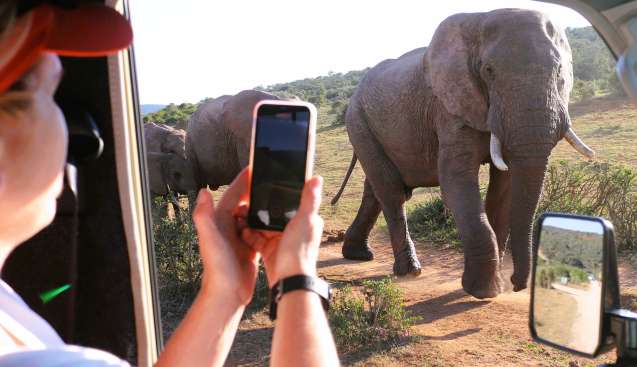
While Kruger itself is a low-risk malaria area, South Africa also offers fully malaria-free safari reserves, particularly in the Eastern Cape and Madikwe.
These are ideal for families or travellers who prefer to avoid medication entirely.
Browse our South Africa Safaris, where you can use our handy search tool to filter by price, trip length, must-see destinations, and even the wildlife you’re dreaming of spotting.
|
South Africa — First Safari Snapshot |
|---|
Bottom line: If you want a smooth, affordable, confidence-boosting first safari, South Africa is hard to beat. |
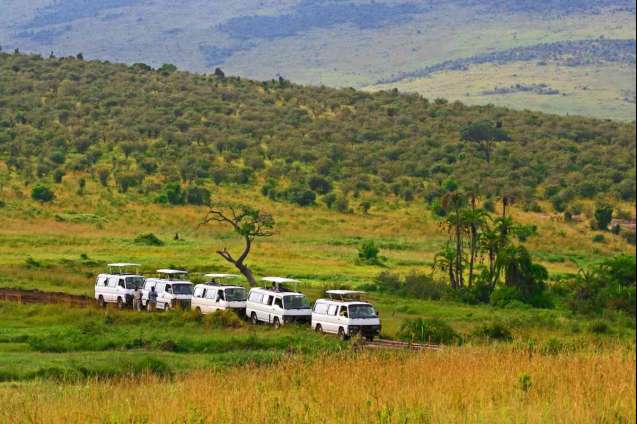
Kenya is a safari in its most classic and cinematic form.
When people imagine endless golden plains stretching to the horizon, flat-topped acacia trees silhouetted against the sky, and lions lounging in branches or stalking through long grass, they are almost always picturing the famous Masai Mara Reserve, which is located here.
For first-time safari travellers, Kenya delivers drama, density, and diversity in equal measure.
Wildlife sightings are frequent and varied, with strong populations of big cats, large elephant herds, giraffes, and plains game all sharing the same open landscapes.
This makes game drives feel exciting and rewarding from the very start, rather than requiring long hours of patient tracking.
Kenya also offers a well-established safari infrastructure, experienced local guides, and a wide choice of camps and lodges that cater to different budgets and comfort levels.
Combined with the cultural depth of the region and the sheer visual impact of the scenery, it provides a powerful introduction to African safaris that feels instantly iconic, yet reassuringly accessible for first-time visitors.
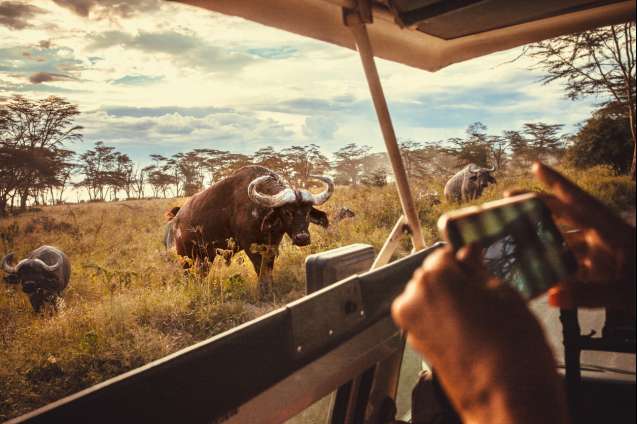
Kenya delivers what many people instinctively imagine when they think of an African safari.
Vast open plains roll endlessly into the distance, broken up by winding rivers, rocky outcrops, and the distinctive silhouettes of flat-topped acacia trees.
These classic landscapes are not just visually striking; they are also perfectly suited to wildlife viewing, especially for first-time safari travellers.
The openness of areas like the Masai Mara means animals are easier to spot and follow.
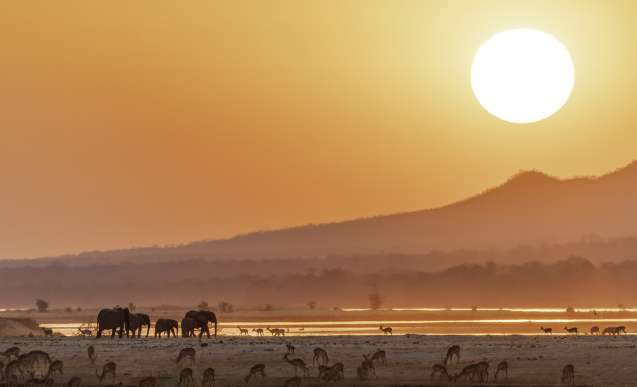
Large herds of wildebeest, zebra, and antelope move across the plains, attracting predators that are visible even from a distance.
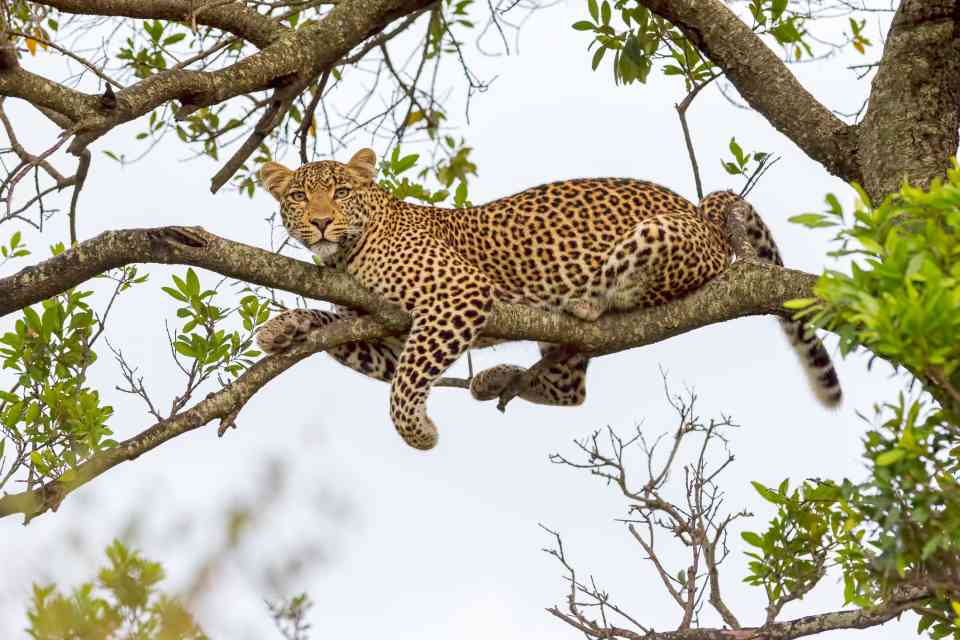
Lions are frequently seen resting in the shade or stalking prey in daylight, cheetahs use the open terrain for high-speed chases, and leopards are often found draped over branches along riverbanks.
Wildlife density in Kenya is consistently high throughout the year, not just during peak migration season.
This results in action-packed game drives, where multiple sightings are common in a single outing, rather than long hours of quiet tracking.
For first-time visitors, this abundance creates a powerful sense of immersion and excitement, delivering the classic safari experience they have seen in documentaries and dreamed about for years, without requiring specialist knowledge or endless patience.
__medium.jpeg)
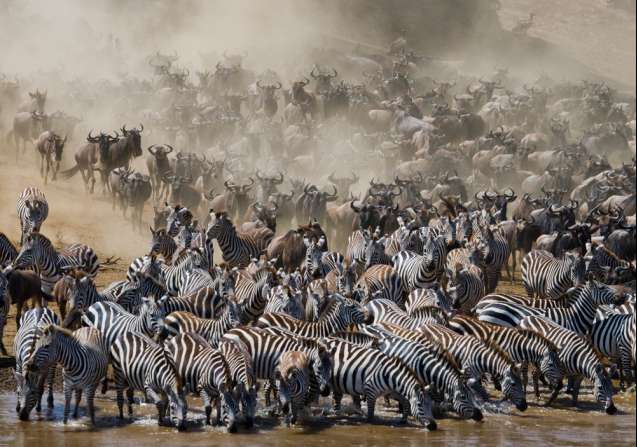
Between July and October, the great migration reaches Kenya as vast herds of wildebeest and zebra move north from Tanzania’s Serengeti Park into the Masai Mara in search of fresh grazing.
This period is defined by dramatic river crossings along the Mara River, where thousands of animals plunge into fast-moving water, often while crocodiles wait below and predators track the herds from the banks.
For first-time safari travellers, the great migration delivers scale and spectacle that is difficult to comprehend until you see it in person.
The sheer number of animals, the constant movement across the plains, and the heightened predator activity create an atmosphere of tension and excitement on game drives.
Sightings are not limited to the crossings themselves.
Large herds attract lions, cheetahs, and hyenas, making predator encounters more frequent throughout the season.
It is true that migration months come with higher prices and increased demand, particularly in well-located camps near the river.
However, this period also offers one of the most iconic wildlife experiences on the planet.
For many first-time visitors, witnessing even a small part of the great migration becomes the defining memory of their African safari, and a powerful introduction to the raw scale and rhythm of life on the savannah.
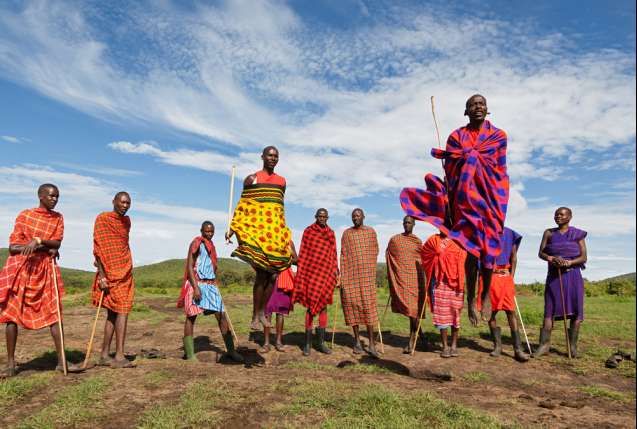
Kenya offers some of the most accessible and meaningful cultural experiences of any safari destination, particularly through responsible interactions with Maasai communities living around the Masai Mara and other conservancies.
Visiting the Maasai tribe of Kenya, when done thoughtfully and ethically, provides valuable context to the wildlife experience, helping first-time safari travellers understand how people and animals have coexisted on these lands for generations.
A well-run community visit goes beyond photo opportunities.
You may learn about traditional herding practices, the importance of cattle in Maasai culture, beadwork symbolism, and how modern conservation initiatives directly support local livelihoods.
Many lodges now partner with community-owned conservancies, meaning tourism revenue contributes to education, healthcare, and wildlife protection.
For first-time visitors, this human connection often deepens the safari experience, turning it from a series of game drives into a more rounded understanding of Kenya’s landscapes, cultures, and conservation efforts.
__medium.jpg)
Kenya has one of the most established safari tourism industries in Africa, which makes it an excellent choice for first-time safari travellers.
Decades of experience hosting international visitors have resulted in well-developed infrastructure across key safari regions, particularly in and around the Masai Mara, its most popular park.
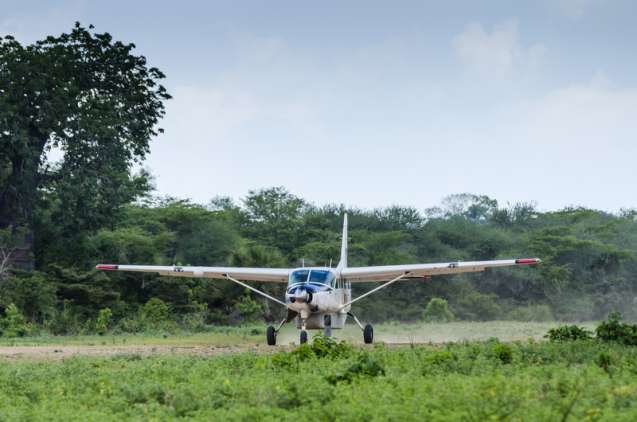
Roads within conservancies are generally well maintained, airstrips are strategically placed for short light aircraft transfers, and lodges operate to clear and reliable standards.
Domestic flights connect Nairobi efficiently with major safari areas, reducing long overland journeys and making it easier to combine multiple regions in one trip.
Professional guides are highly trained, English is widely spoken, and safari operations run to predictable schedules, which helps first-time visitors feel supported and informed throughout their stay.
Accommodation ranges from comfortable mid-range camps to high-end lodges, allowing travellers to choose a level of comfort that suits both their budget and expectations.
For a first safari, this level of organisation and reliability removes much of the uncertainty, letting you focus fully on the wildlife experience rather than the logistics behind it.
Browse all our Kenya Safaris, including those in the Masai Mara, and filter easily by price, trip length, must-see destinations, and wildlife.
|
Kenya — First Safari Snapshot |
|---|
Bottom line: Kenya feels like the safari you’ve always imagined, dramatic, rewarding, and instantly recognisable. |
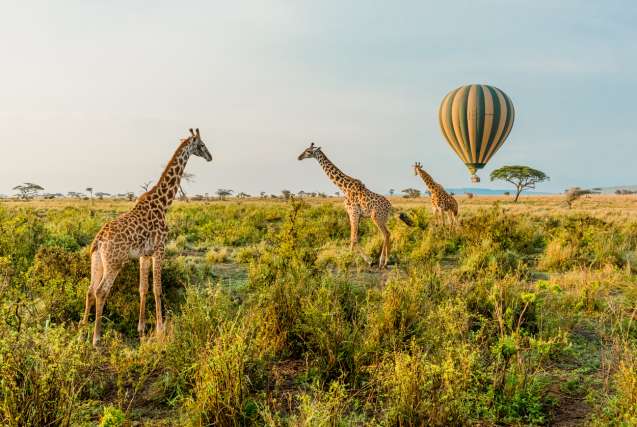
Tanzania is often described as the heavyweight champion of African safaris, and for first-time visitors, it is easy to see why.
The country delivers safari experiences on a truly grand scale, combining vast landscapes, extraordinary wildlife density, and some of the most famous protected areas in the world.
Everything feels bigger, wilder, and more cinematic, which makes Tanzania especially memorable as a first safari destination.
For many travellers, Tanzania represents the safari they have always imagined, brought vividly to life in front of their eyes.
As Claire Monson, safari specialist at African Budget Safaris, explains, “Tanzania is real, wild, and raw, gifting non-stop immersive wildlife opportunities from the word GO! It's a fantastic first-time Africa destination, grabbing visitors with its warmth, serenity, and engaging experiences both culturally and in the expansive bush. Tanzania offers unforgettable experiences that entice safari goers back for more, time and time again.”
__medium.jpg)
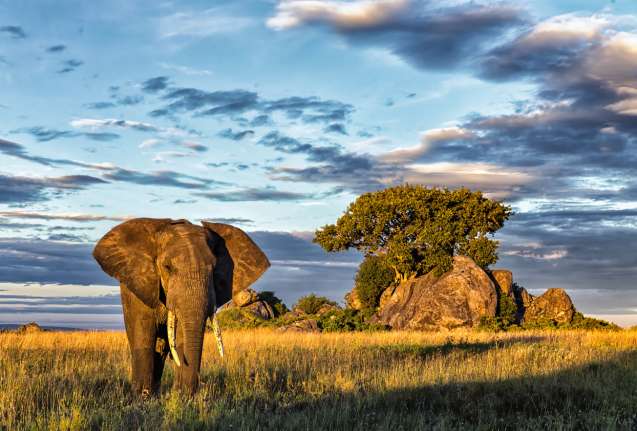
The Serengeti is Tanzania’s crown jewel and one of the most recognisable safari landscapes on the planet.
Its seemingly endless open plains are punctuated by rocky kopjes, river systems, and acacia woodland, creating classic safari scenes that feel timeless and largely untouched.
Wildlife roams freely across this vast ecosystem, and game viewing is consistently excellent throughout the year.
Big cats are a particular highlight.
Lions are abundant, cheetahs thrive in the open grasslands, and leopards are frequently spotted along riverbanks and rocky outcrops.
Large herds of wildebeest, zebra, and gazelle provide a constant food source, ensuring regular predator activity.
For first-time safari travellers, the Serengeti delivers that powerful sense of immersion, where every game drive feels like stepping into a nature documentary.
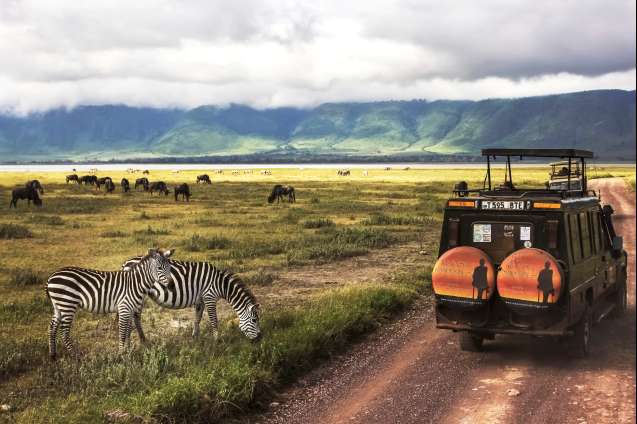
Tanzania hosts the majority of the great migration for much of the year, making it an outstanding choice for travellers whose first safari coincides with this natural phenomenon.
Depending on the season, visitors may witness calving in the southern Serengeti, vast herds moving across the central plains, or dramatic river crossings later in the year.
Most first-time safari itineraries in Tanzania combine the Serengeti with the Ngorongoro Crater.
This enormous collapsed volcanic caldera is one of Africa’s most wildlife-dense areas, with animals confined within its steep walls.
The compact size of the crater means sightings are frequent and close together, and it offers one of the highest chances in Africa of seeing the Big 5 in a single day.
For first-timers, this combination works exceptionally well.
The Serengeti provides scale and drama, while Ngorongoro delivers concentrated, high-impact game viewing that feels immediate and rewarding.
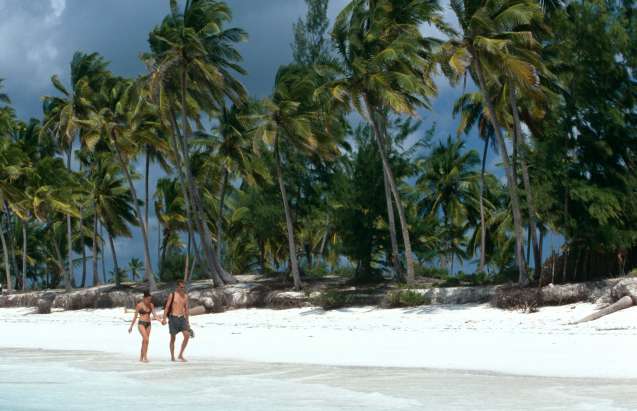
One of Tanzania’s standout advantages for first-time safari visitors is the ease with which a safari can be combined with a beach break in Zanzibar.
After several early mornings and full days on game drives, a few days on the Indian Ocean coast provide a perfect contrast.
Zanzibar offers white sand beaches, warm turquoise waters, and a slower pace that balances the intensity of safari life.
This combination works particularly well for couples, honeymooners, and anyone wanting variety in their first African trip.
Taking the beach and bush together, Tanzania offers one of the most complete first safari experiences in Africa.
By blending iconic landscapes, world-class wildlife viewing, expert guiding, and flexible accommodation, with the option of an idyllic beach extension, it’s easy for first-time safari travellers in Tanzania to create a journey that feels both epic and well-rounded from start to finish.
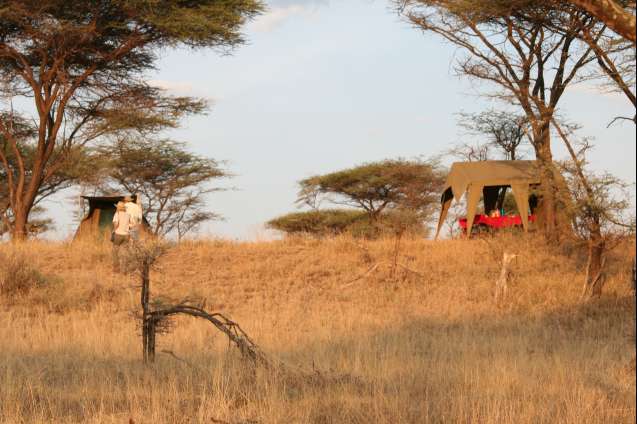
Accommodation in Tanzania spans a wide spectrum, allowing travellers to tailor their safari experience to their budget and comfort preferences.
Options range from mobile tented camps that move seasonally with the migration, through to permanent mid-range lodges and high-end luxury camps with exceptional service and views.
For first-time safari travellers, comfortable tented camps are often a popular choice.
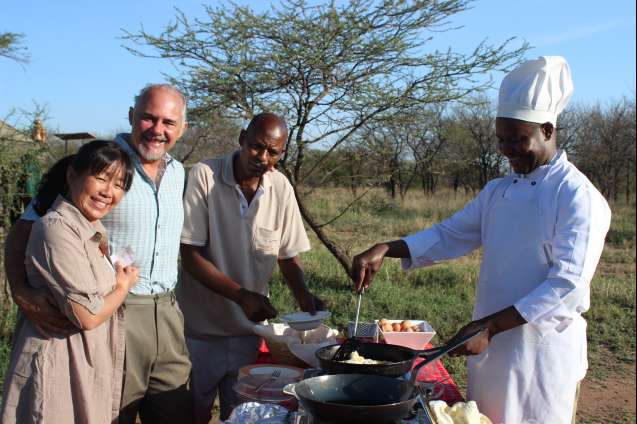
They offer an immersive bush experience without sacrificing comfort, with proper beds, en-suite bathrooms, and excellent food.
Lodges provide an even higher level of comfort and are well-suited to those who prefer more space and amenities after long game drives.
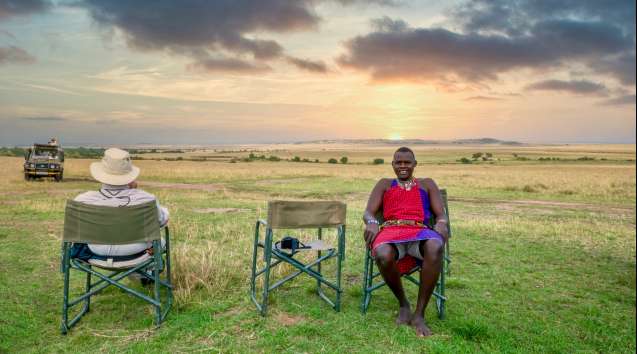
Tanzania is renowned for the quality of its safari guides.
Guiding training is rigorous, and many have decades of experience working in the same ecosystems.
This depth of knowledge adds enormous value for first-time visitors, as guides are skilled at interpreting animal behaviour, tracking wildlife, and explaining the wider ecological story behind what you are seeing.
Guides also play a crucial role in managing expectations and pacing game drives, ensuring that first-time safari travellers feel engaged rather than overwhelmed.
This professional expertise is one of Tanzania’s greatest strengths and a key reason why it consistently ranks so highly for first safaris.
Browse our brilliant Tanzania Safaris, including those which take in the Serengeti and the Ngorongoro Crater, then make use of our handy search tool to filter your choices by duration, price, and wildlife.
| Tanzania — First Safari Snapshot |
|---|
Bottom line: If you want your first safari to feel epic and unforgettable, Tanzania delivers every time. |
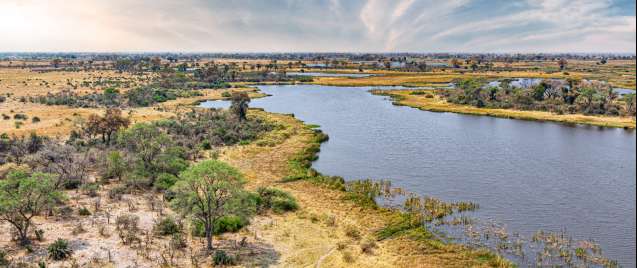
Botswana is widely regarded as Africa’s premium safari destination, and it operates very differently from most other safari countries.
Rather than focusing on high visitor numbers, Botswana has deliberately chosen a low-volume, high-value tourism model that prioritises conservation, space, and quality over mass tourism.
The result is a safari experience that feels quieter, more exclusive, and deeply immersive.
For first-time safari travellers with a higher budget, Botswana offers a calm and refined introduction to African wildlife, where game drives are rarely crowded, and the focus is firmly on the experience rather than logistics.
As Terry Murphy, Director of African Budget Safaris, expands, "Botswana is ideal for first-time safari travellers who want a calm, high-quality introduction to African wildlife. Limited visitor numbers, exceptional guiding, and uncrowded sightings mean you can focus fully on the experience. Everything feels well managed, immersive, and reassuringly safe, while still delivering extraordinary wildlife moments.”
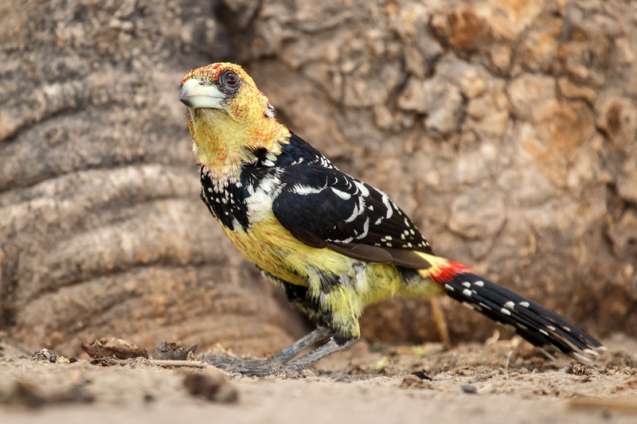
Botswana is politically stable and one of Africa’s strongest conservation success stories.
Large areas of land are protected, anti-poaching efforts are well funded, and tourism revenue is closely linked to wildlife protection.
This commitment translates directly into the safari experience.
Wildlife sightings are exceptional, particularly in the Okavango Delta and Chobe National Park.
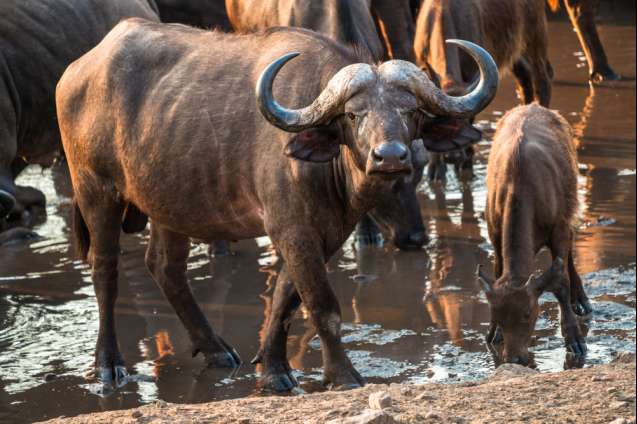
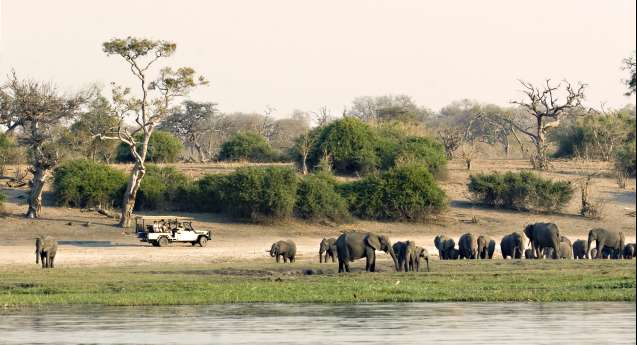
The Delta supports dense populations of elephants, lions, leopards, buffalo, and a wide range of plains game, while Chobe is famous for hosting one of the largest elephant populations in Africa.
For first-time visitors, this means consistently strong game viewing without the feeling of competing with dozens of other vehicles.
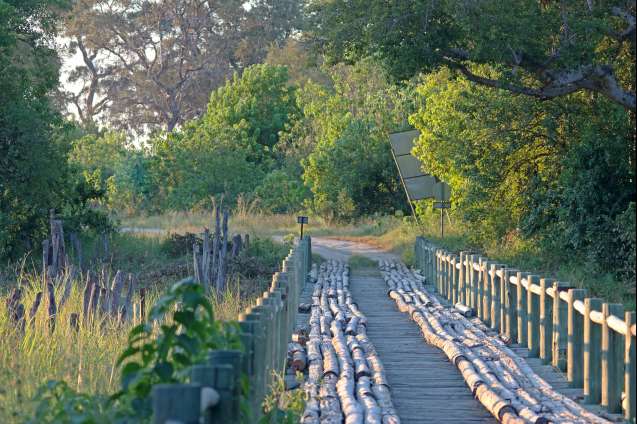
Botswana is considered one of the safest safari destinations in Africa.
Its political stability has adopted strict tourism regulations, and its professional safari operations create a reassuring environment for first-time travellers.
Camps and lodges are carefully managed, guides are highly trained, and safety protocols are taken seriously without being intrusive.
This sense of order and professionalism is particularly appealing to travellers who may feel nervous about their first safari experience and want everything to run smoothly from arrival to departure.
__medium.jpg)
Accommodation in Botswana is predominantly lodge and camp-based, with a strong emphasis on quality rather than quantity.
Lodges are typically small, well-spaced, and located in private concessions that limit vehicle numbers.
Service levels are high, food quality is excellent, and guiding standards are among the best in Africa.
For first-time safari travellers, this means a highly personalised experience.
Guides have time to explain animal behaviour, answer questions, and tailor game drives to guest interests, whether that is photography, birdlife, or big cats.
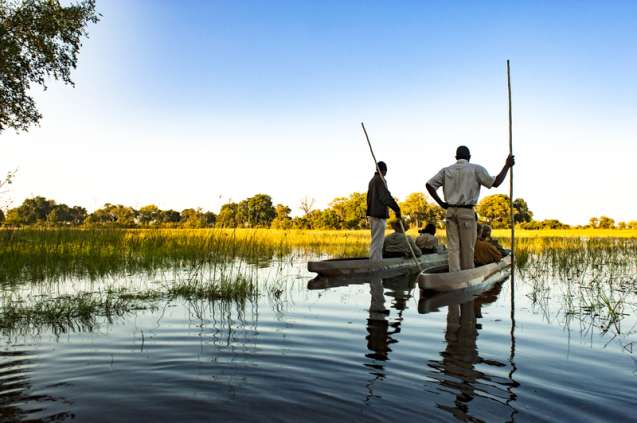
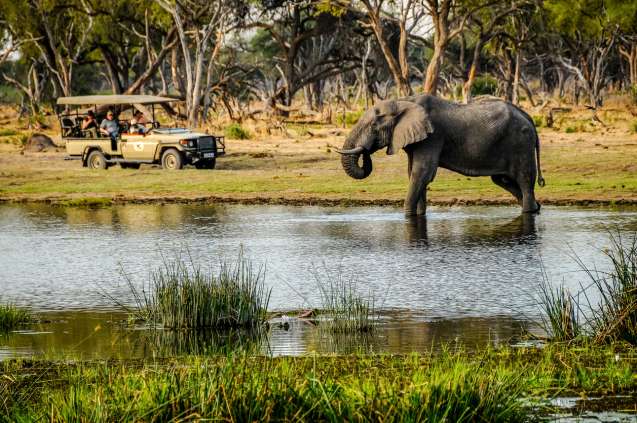
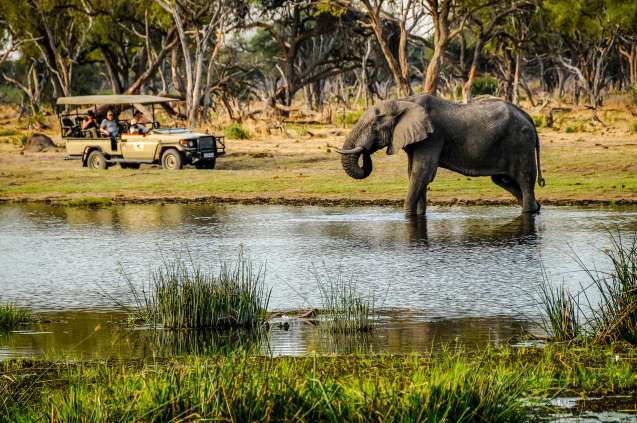
One of Botswana’s most distinctive features is the ability to combine traditional land-based game drives with water-based safaris.
In the Okavango Delta, mokoro canoe excursions glide quietly through reed channels and floodplains, offering a completely different perspective on the landscape and wildlife.
Seeing elephants wading through water, hippos surfacing beside your canoe, or birds at eye level from the reeds, adds variety and depth to the safari experience.
For first-time visitors, this mix of activities helps prevent safari fatigue and keeps each day feeling fresh and engaging.
The main drawback of Botswana for first-time safari travellers is cost.
The country’s low-volume tourism policy means daily rates are significantly higher than in destinations like South Africa, Kenya, or Tanzania.
Flights between camps are often by light aircraft, and accommodation is typically all-inclusive, which pushes prices up further.
However, many travellers feel the exclusivity more than justifies the expense.
Fewer vehicles at sightings, uninterrupted wildlife encounters, and a strong sense of wilderness create a safari experience that feels rare and unspoilt.
For those who can afford it, Botswana offers one of the most serene and high-quality introductions to African safaris available anywhere on the continent.
Browse all our fantastic Botswana Safaris for inspiration, and don’t forget to make use of our handy search tool to filter them by price, trip length, area, or even the wildlife you’re dreaming of seeing.
| Botswana — First Safari Snapshot |
|---|
Bottom line: Botswana is premium, polished, and deeply immersive, ideal if budget allows. |
The dry season is generally best for first-time safari visitors.
These are the months when wildlife concentrates around a more limited number of water sources, vegetation is thinner, making spotting animals easier, and roads are simpler and smoother to navigate.
However dry season varies across all the countries mentioned above, so it’s important to get specific on where you want to go.
Use the table below for easy guidance…
| Destination | Best months | |
|---|---|---|
|
South Africa |
May to September | |
|
Kenya |
July to October | |
|
Tanzania |
June to October | |
|
Botswana |
|
At the opposite end of the spectrum, the green season, or wet season, offers lower prices and fewer crowds for first-time safari travellers, but usually requires more patience for wildlife viewing and access.
Safari costs include more than accommodation.
Park fees, fuel, guide salaries, conservation levies, and vehicle maintenance all add up.
Setting a realistic daily budget, therefore, avoids disappointment.
Do remember to carry additional cash for tips, souvenirs, drinks, and snacks. USD is normally best as it's most easily exchanged into local currency on the ground.
You’ll also want to factor in the costs of flights, travel insurance, and any healthcare vaccinations or treatments required before you leave home.
-2512__medium.jpg)
Safari accommodation generally falls into 3 categories.
1. Lodges offer permanent structures, private bathrooms, and strong comfort levels
2 . Tented camps provide immersive experiences with proper beds and facilities
3. Budget camps focus on value, often with shared facilities and simpler meals
For first-time safari travellers, comfortable tented camps are often the sweet spot.
First-timers should prioritise shorter transfer times to avoid safari fatigue unless budgets are a greater consideration.
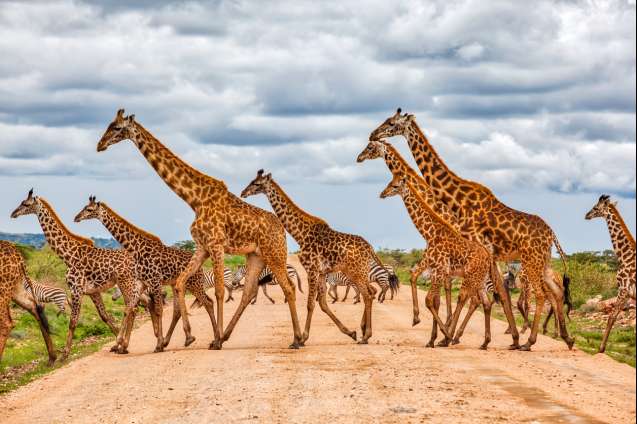
Game drive safaris are the most common and beginner-friendly.
Walking safaris are thrilling, but better as an add-on once confidence builds.
Boat and canoe safaris add variety where available. Botswana is a great destination for those keen on a water-based wildlife adventure.
|
Safari Decision Table: Which First Safari Destination Should You Choose? |
|---|
|
If this sounds like you… Choose this destination
|
If this is your first safari, focus on destinations with proven wildlife density, experienced guides, and reliable logistics.
South Africa, Kenya, and Tanzania consistently deliver on all three.
Botswana is also exceptional if the budget allows.
Speak to one of our Africa safari experts to start planning your first safari today.
And if you need some extra tips on how to prepare for your African safari, check out our wealth of handy guides, which are filled with the usual information about planning a perfect safari and what to expect on your first safari in Africa.

Explore these destinations mentioned in this post.
Below you'll find further reading and articles related or similar to this post.




Call us toll free from US/Canada on 1-888-414-6513, or from the UK on 0-808-189-1052. All other countries can contact us on +27 21 791 0878.
© 2026 African Budget Safaris | Privacy | Terms | Cookie Policy | Consent Preferences


__large__thumb.jpg)


__medium.jpg)
__medium.jpg)

__large.jpg)