__banner.jpg)
One of the biggest myths about budget safaris is that they deliver fewer wildlife sightings. In reality, many of Africa’s most iconic animals are also the most widespread, adaptable, and reliably seen, especially in well-managed national parks where costs are kept down through shared infrastructure and public access.
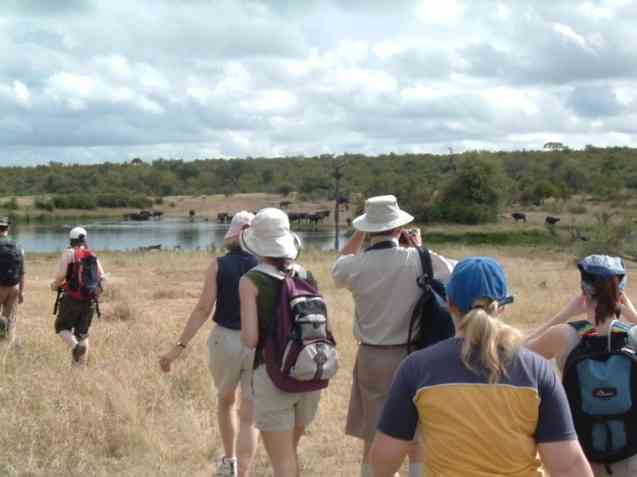
A budget safari isn’t about chasing rare, low-probability sightings. It’s about spending time in the bush, choosing the right parks, and focusing on animals that thrive in accessible landscapes. Below are the animals you’re most likely to see on a budget safari, and exactly why they show up so consistently.
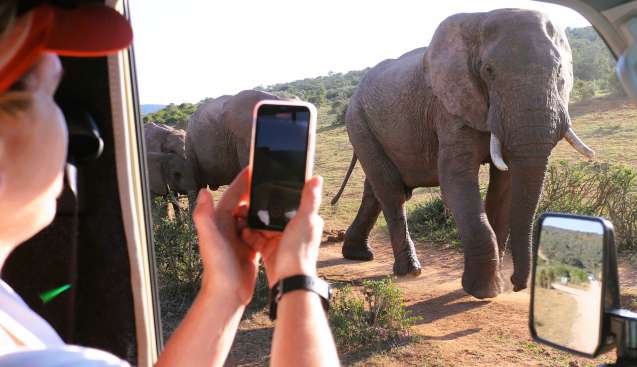
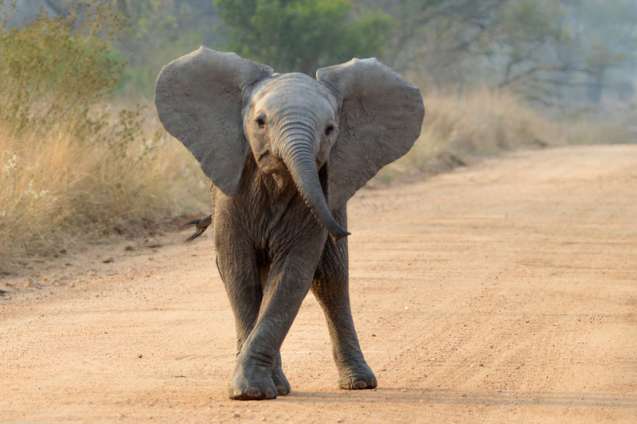
African elephants are one of the safest wildlife “bets” on a budget safari. Large populations, predictable movement patterns, and a strong reliance on water sources make them highly visible, particularly in the dry season.
You don’t need private concessions or fly-in camps to see elephants in abundance. Many national parks support thriving herds that move along public roads, gather at rivers, and drink at waterholes throughout the day.
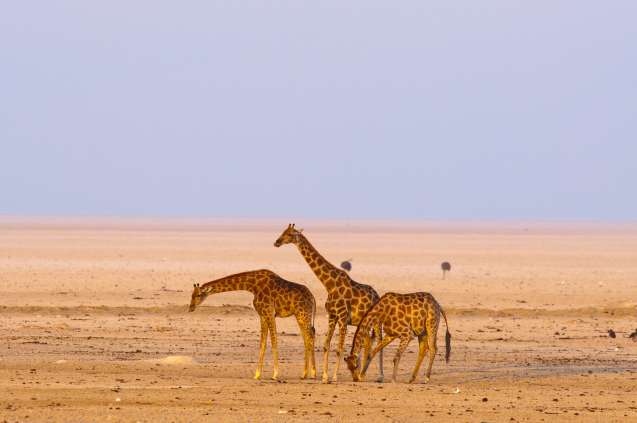
Giraffes are tall, slow-moving, and active during daylight hours, which makes them easy to spot even on shorter game drives. They favour open woodland and savanna habitats, common across many affordable safari destinations.
Because giraffes browse rather than graze, they’re less affected by seasonal grass changes and remain visible year-round.
These are the best places to see giraffes in Africa
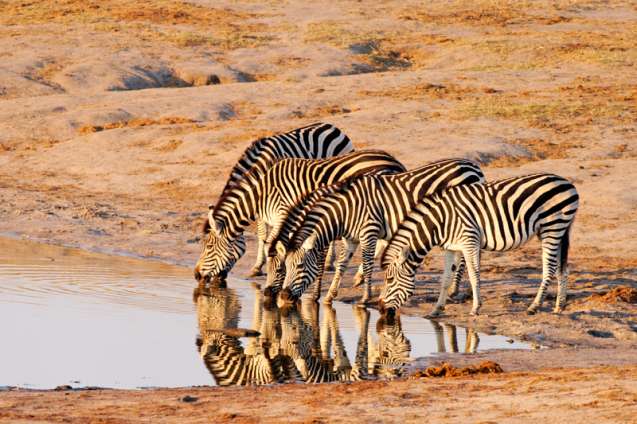
Plains zebra are among the most adaptable and widespread safari animals. They live in large herds, spend long periods grazing in open areas, and show little fear of vehicles, all of which make sightings frequent and relaxed.
In migration regions, zebra numbers can be enormous, but even outside migration zones, they remain a constant presence.
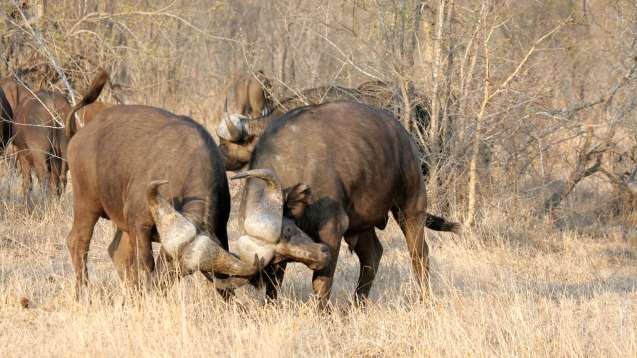
Despite being part of the Big Five, African buffalo are not rare animals. In many parks, they are one of the most numerous large mammals, often moving in massive herds near rivers and floodplains.
Their size, dark colouring, and herd behaviour make them easy to spot, often at close range from main roads. Buffalo are often involved in epic predator-prey interactions.
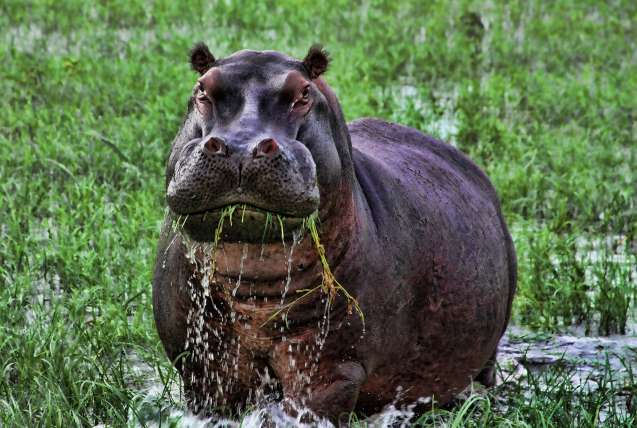
Hippos are one of the most predictable safari sightings. During the day, they remain in water, which means once you’ve found a river, dam, or lagoon, you’ve usually found hippos.
Budget safaris that include river drives or boat cruises offer excellent hippo viewing without the cost of private reserves.
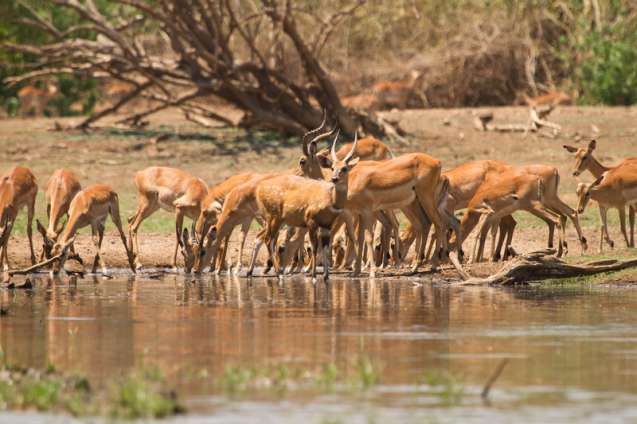
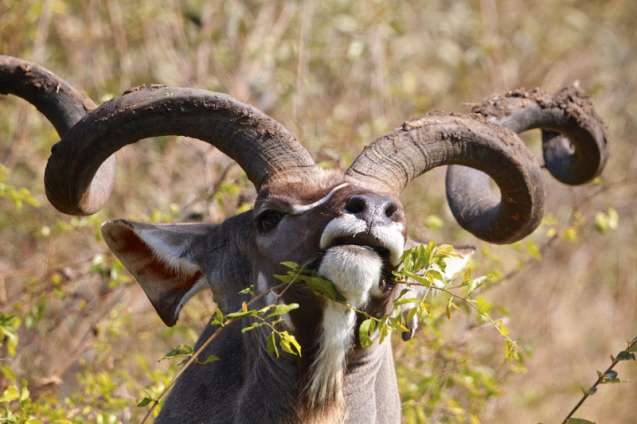
Impala, wildebeest, kudu, springbok, eland, and waterbuck form the backbone of most safari ecosystems. These species are abundant, active during daylight hours, and seen on almost every game drive.
Healthy antelope populations also support predators, meaning more overall wildlife action, even on budget itineraries.
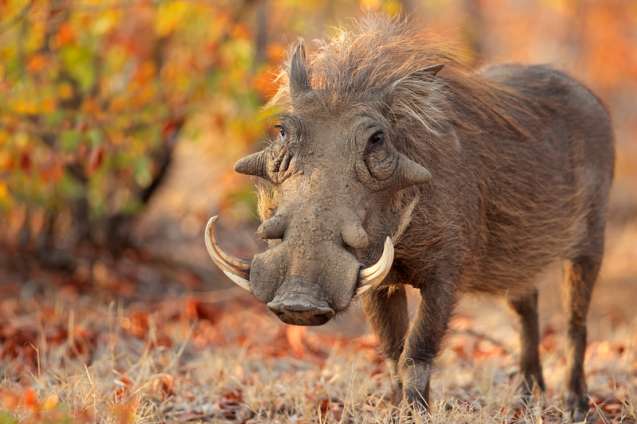
Warthogs, baboons, jackals, vervet monkeys, and mongoose are highly adaptable animals that thrive near water, camps, roads, and open areas. They’re active during the day and are frequently encountered between major sightings.
While often overlooked, these species add constant movement, character, and humour to safari days.
A great budget safari isn’t about gambling on rare sightings. It’s about choosing destinations where wildlife density, habitat openness, and animal behaviour work in your favour.
Southern Africa offers the best budget safari destinations in Africa, with easy access, great infrastructure, and plenty of accommodation.
Budget safaris consistently deliver rich, satisfying wildlife experiences, without the price tag of luxury lodges and difficult logistics.
Contact African Budget Safaris to plan a budget safari that prioritises smart destination choices, realistic expectations, and outstanding wildlife value, to some of Africa’s best safari destinations.
Below you'll find further reading and articles related or similar to this post.




Call us toll free from US/Canada on 1-888-414-6513, or from the UK on 0-808-189-1052. All other countries can contact us on +27 21 791 0878.
© 2026 African Budget Safaris | Privacy | Terms | Cookie Policy | Consent Preferences


__medium.jpg)